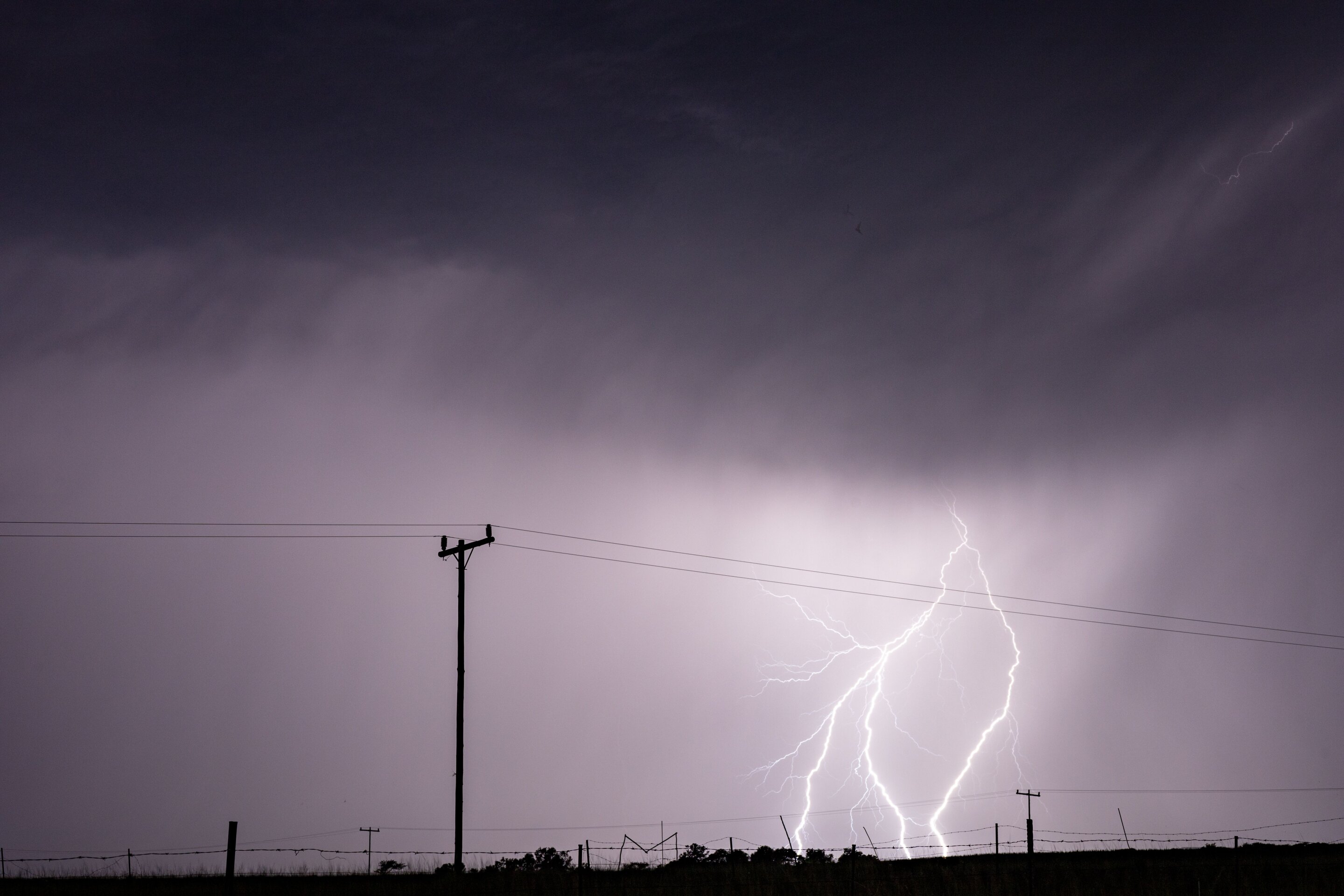
There’s no shortage of advice on how to size a home solar and battery system, but most of it assumes a suburban home with city services and outages measured in hours, not days. Rural homes play by different rules, especially during summer storms. When heavy winds take down power lines and your utility prioritizes restoring urban neighborhoods first, having a home battery isn’t about convenience — it’s about damage control.
Power outages caused by severe wind storms can often last for days, not just hours – and summer heat just compounds your troubles, making it harder to keep food and medicine safe when you need it. For older Americans, the risks are even greater, as the high humidity and temperatures that follow storms can quickly increase the risk of heat exhaustion and stroke.
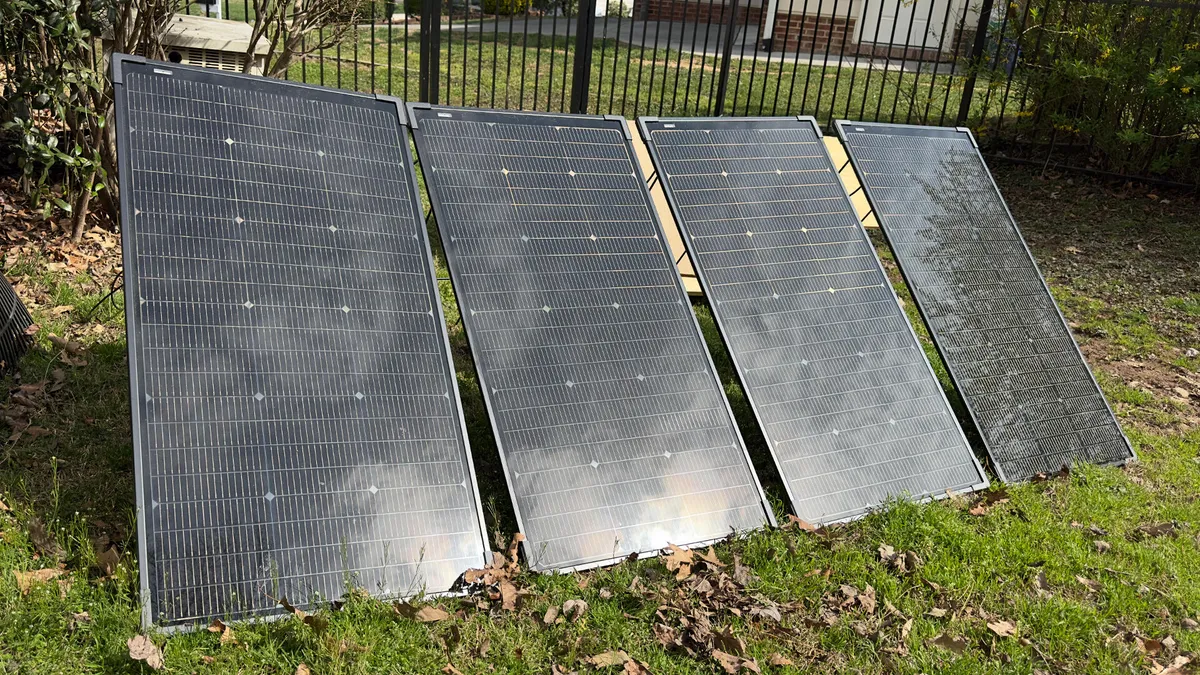
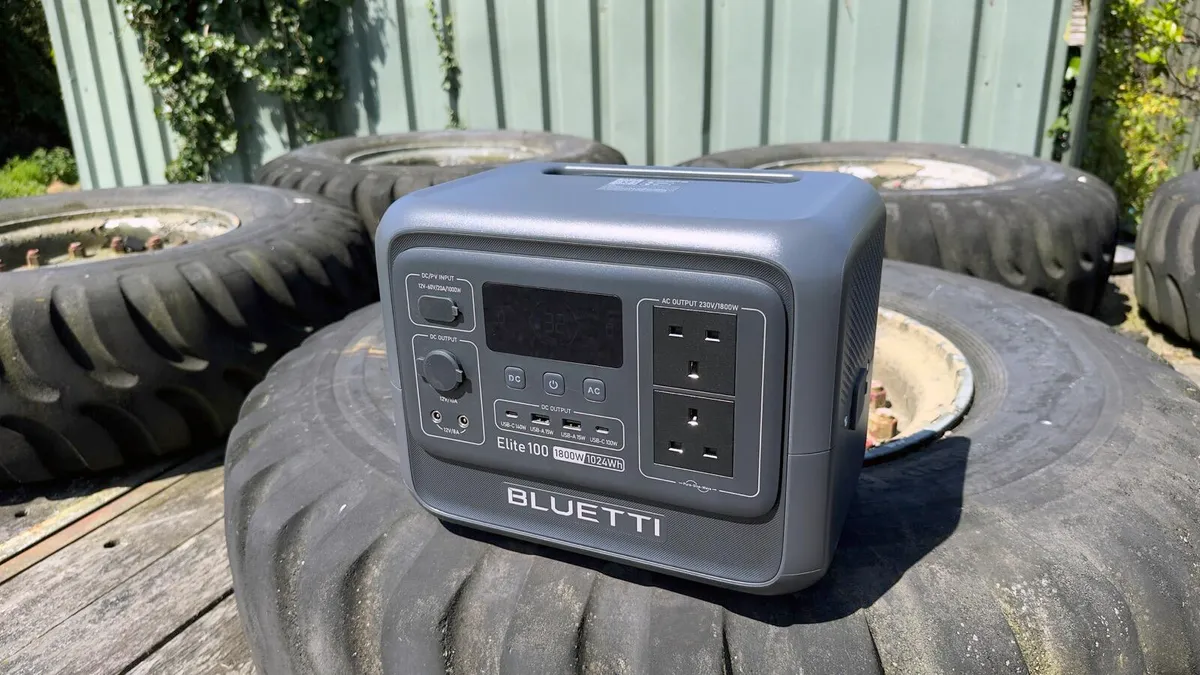
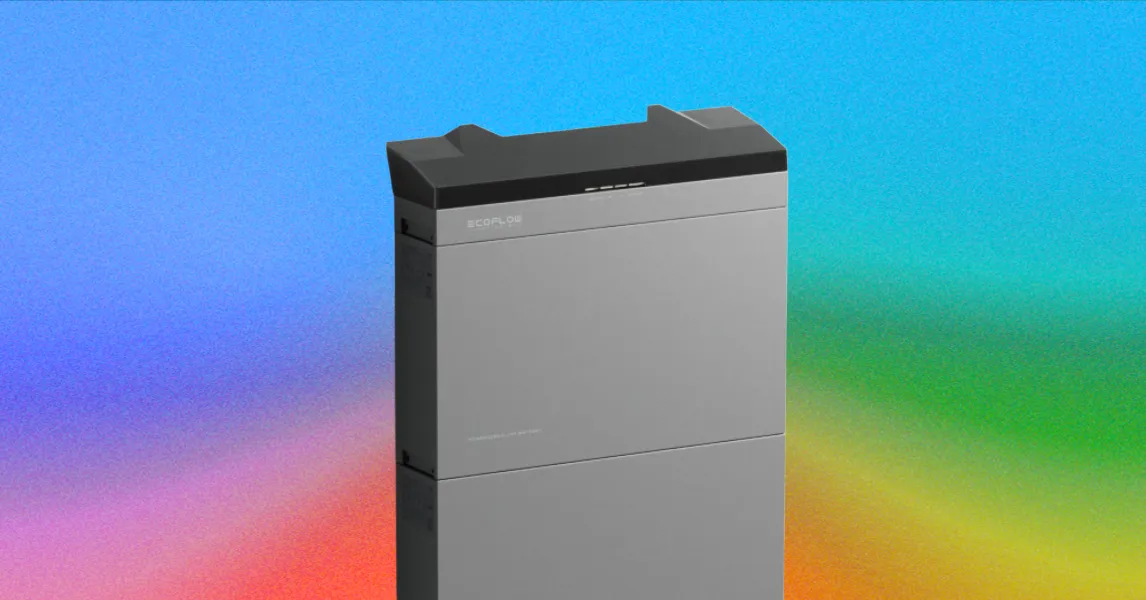
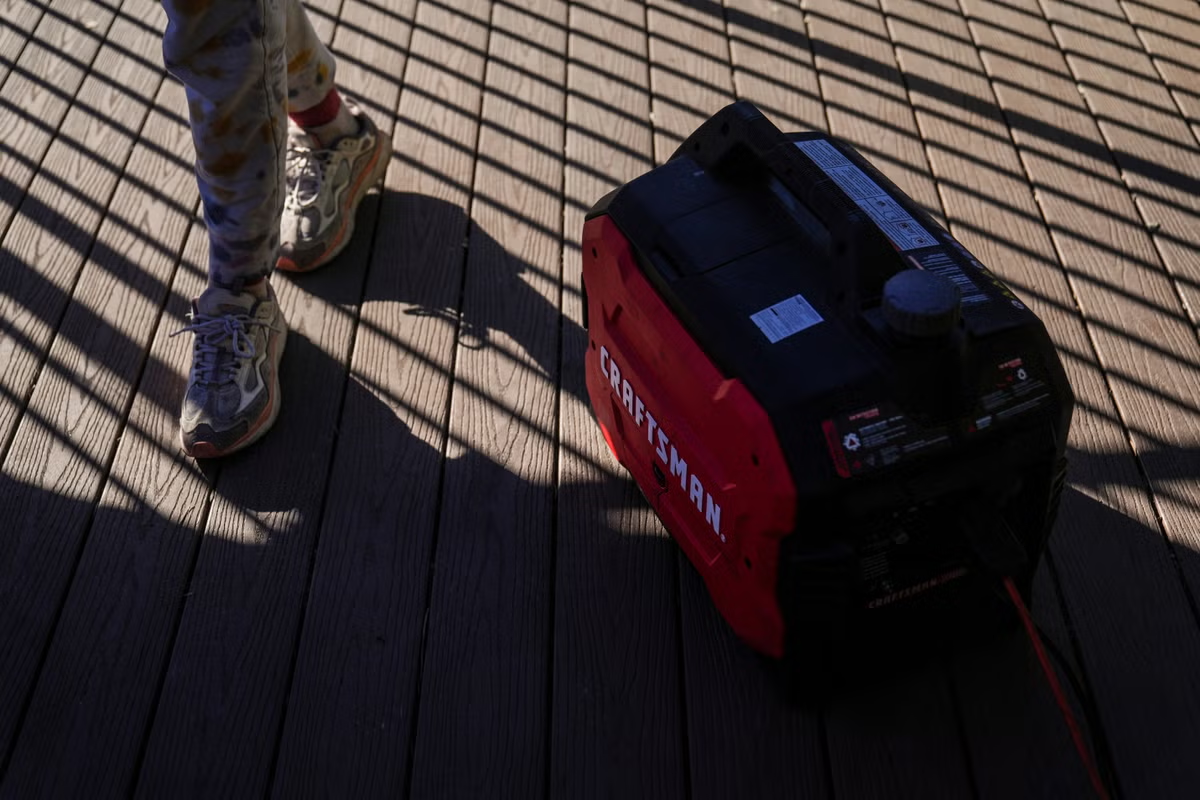
If you have a home solar panel system and backup battery in place, however, you can help mitigate those risks. Here’s what that looks like, from a bare bones backup to all all-bases-covered solution that means someone will have to call you and tell you the power went out.
The bare bones
Anker SOLIX F3000.