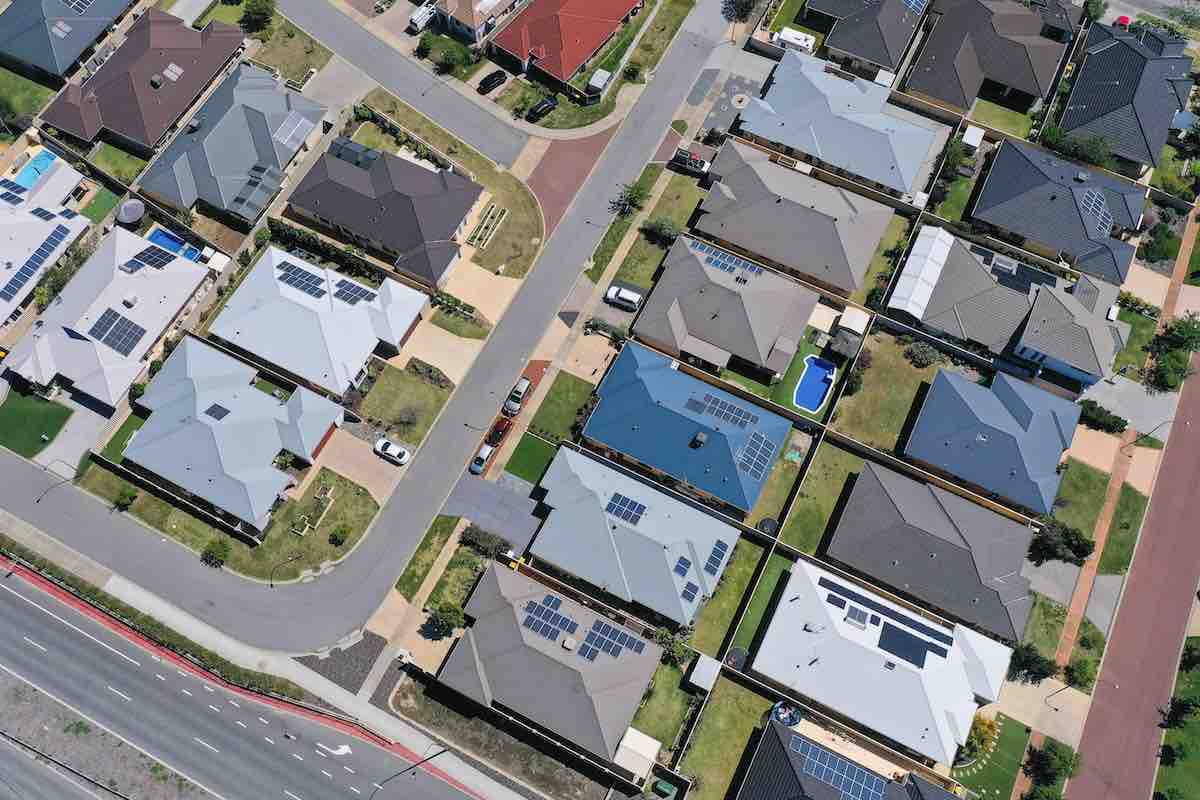
Australia's big clean energy projects get a lot of attention, from giant solar farms to the Snowy 2.0 pumped hydro scheme. So does the push for rooftop solar and home batteries.
What often gets overlooked are the innovations underway where the power grid ends. It costs power utilities a lot to keep these towns connected to the grid. But the plunging costs of renewables and storage mean it's increasingly possible to do things differently. It makes sense for towns, remote communities and mine sites to produce more of their own power—and eventually, cut the link to the grid entirely.
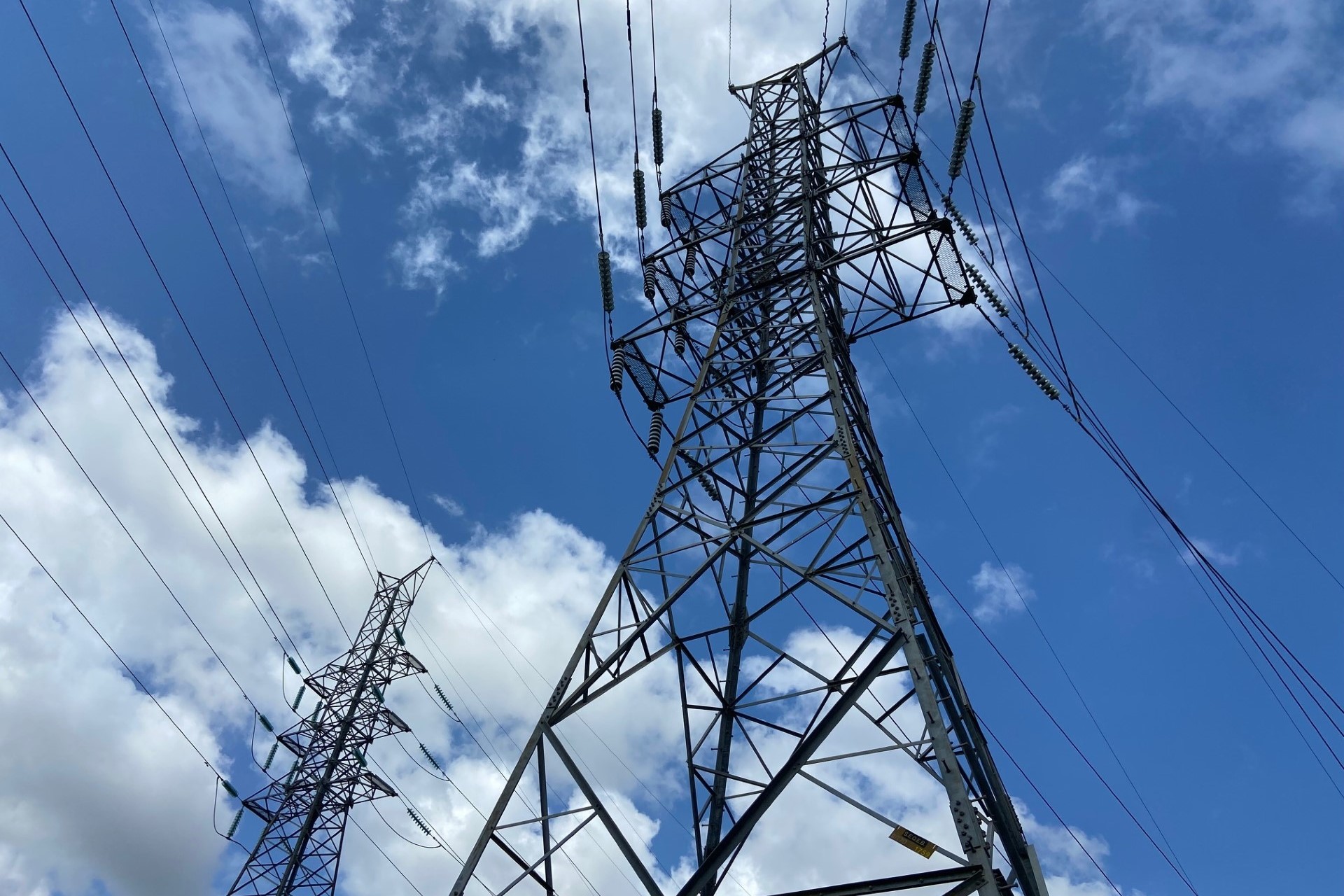
Western Australia—a state larger than western Europe—is at the forefront of these changes. Because it's not connected to the national power grid, it has long gone its own way on power. Now, utilities are rethinking whether the state's huge grid is necessary. More than 15,000 kilometers (9,300 miles) of overhead line have been decommissioned in recent years.
Life at the end of the grid isn't easy
For the residents of small towns in outback Western Australia, remote First Nations communities in the Northern Territory, or a mine site in the middle of the WA Goldfields, power isn't something to take for granted.