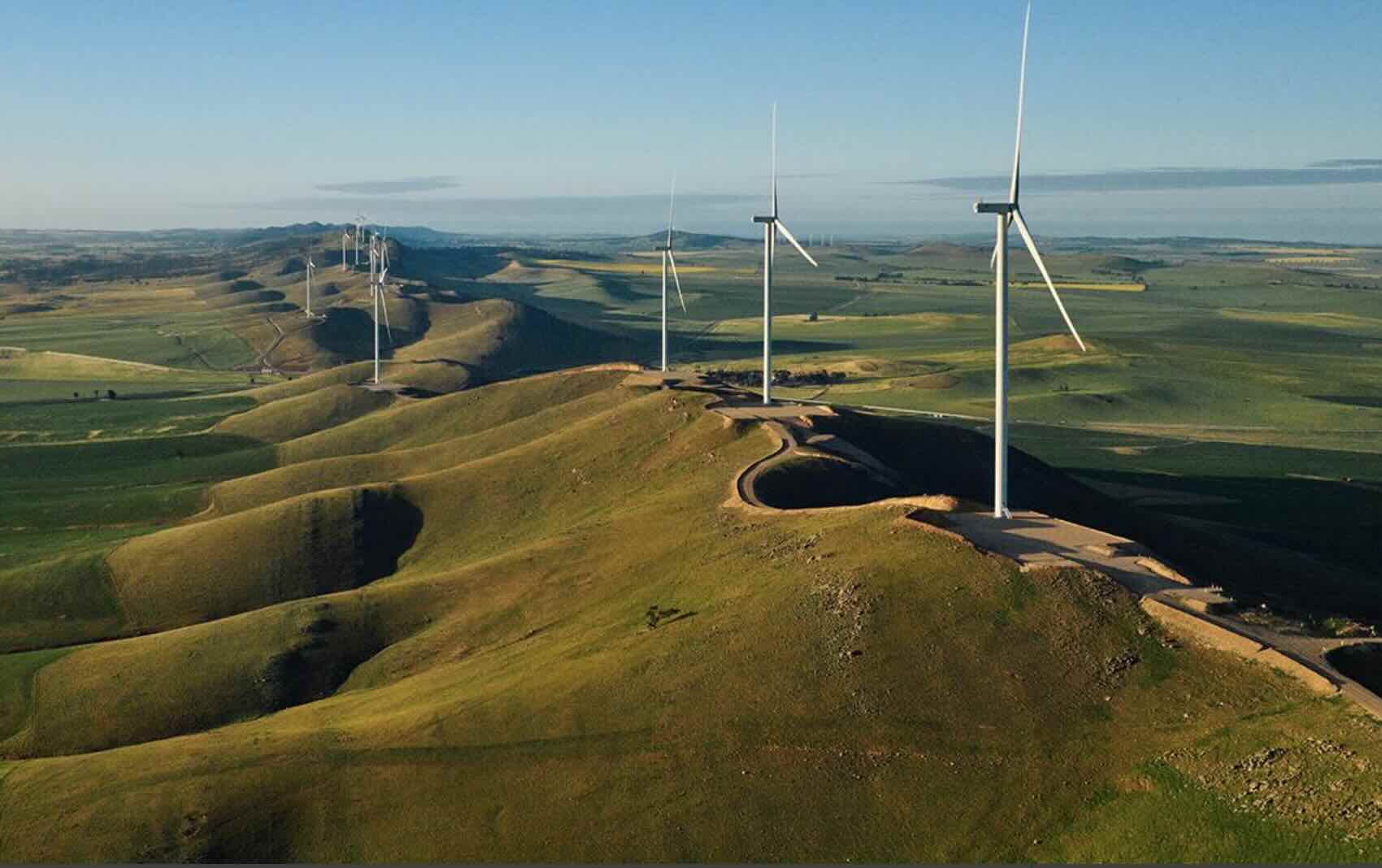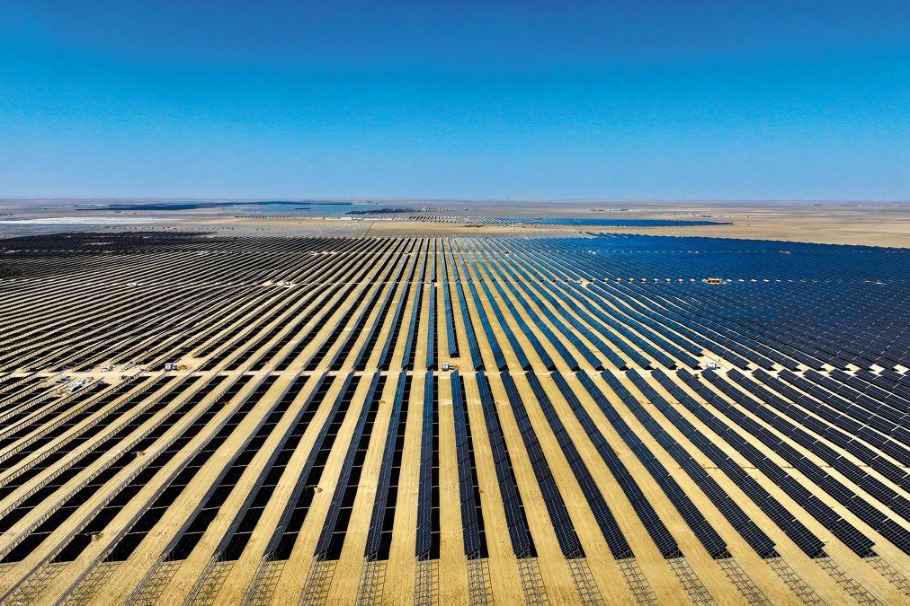
Australia spent more than a decade thinking about how it could increase the supply of renewable energy in the grid to displace our reliance on fossil fuel electricity. In that time, renewable energy in the National Electricity Market has grown from 15% in 2015 to a record 46.5% in 2026.
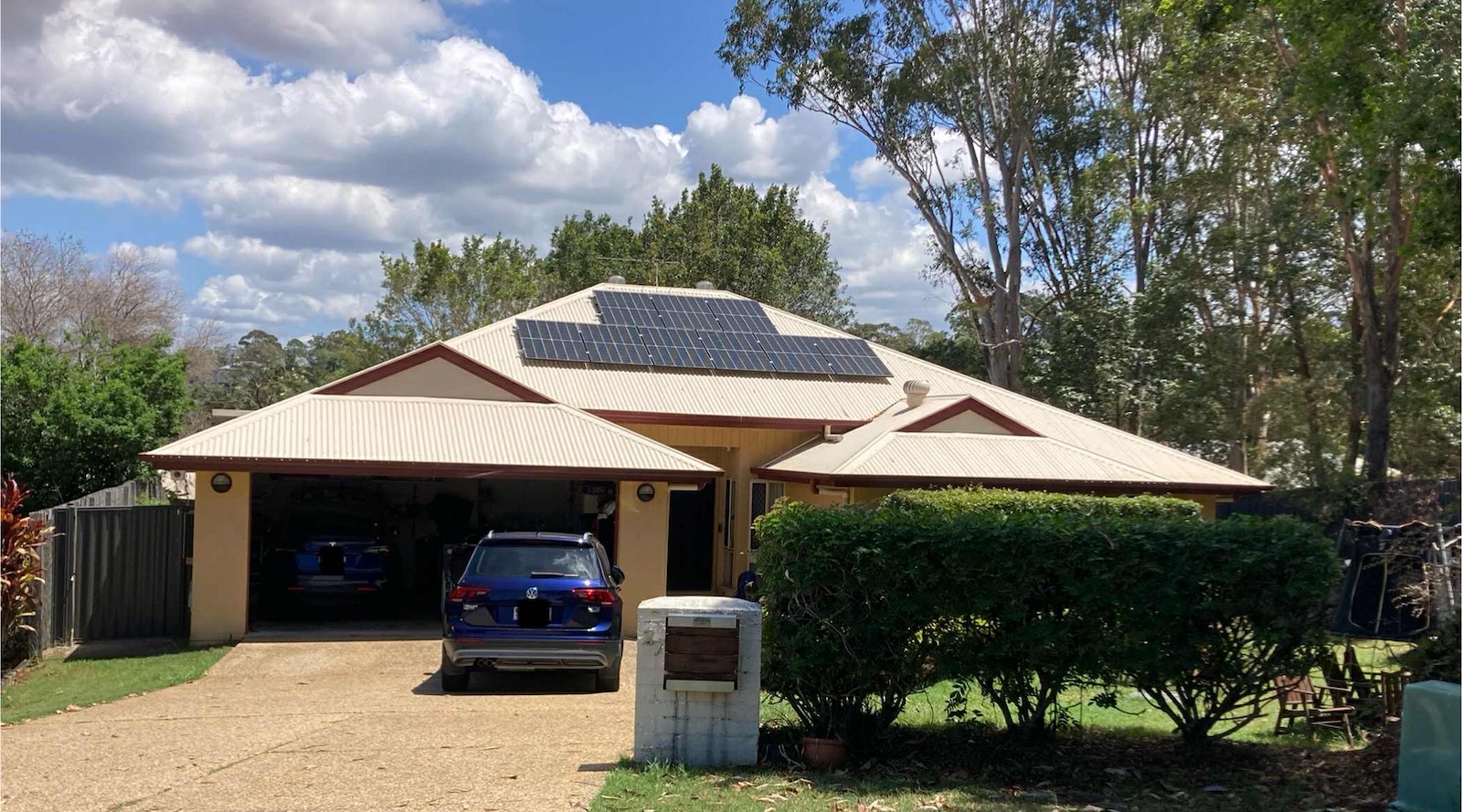
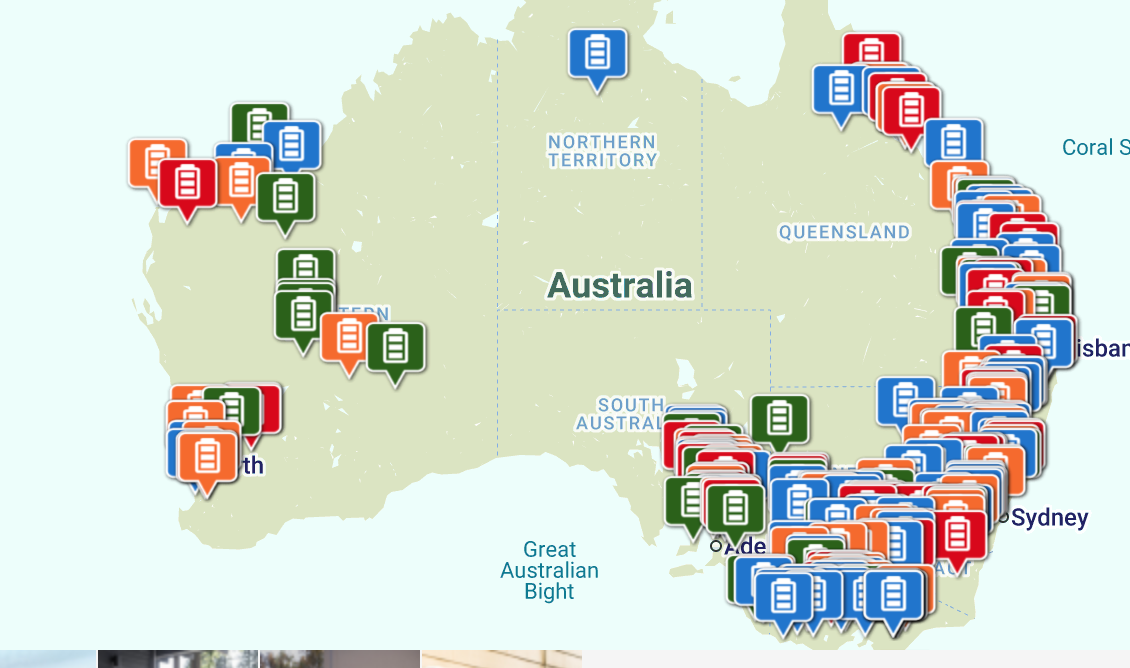
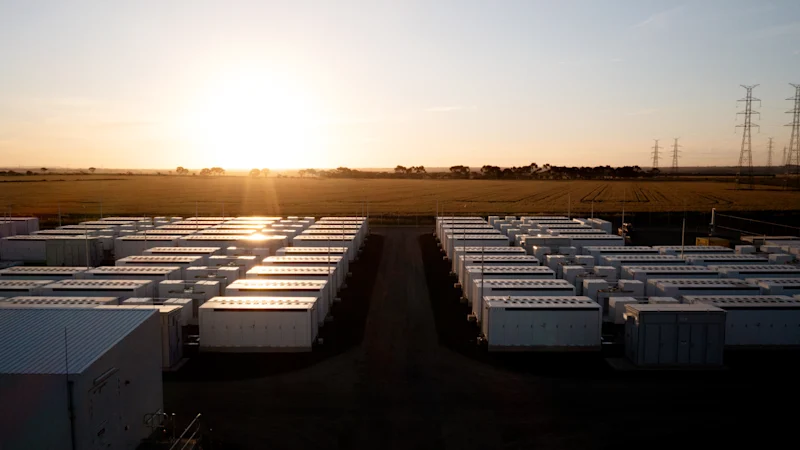
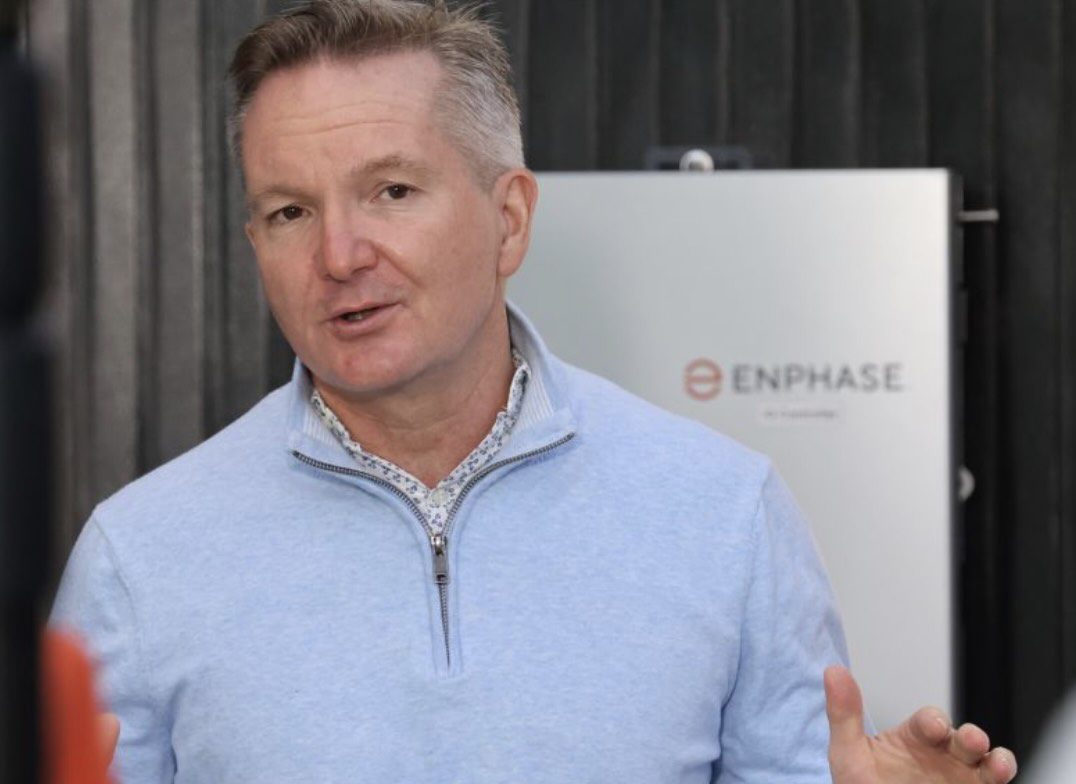
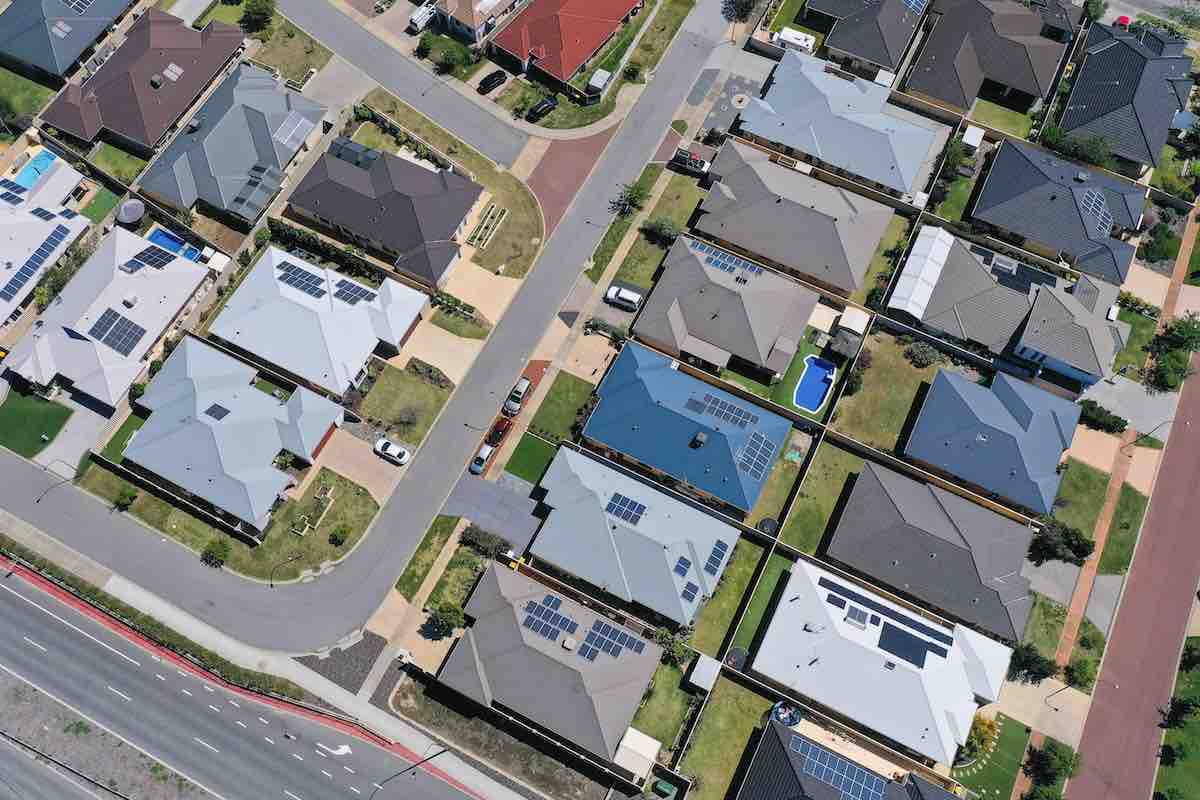
As utility-scale solar, wind and battery projects reshape the way electricity is generated and stored, households have quietly delivered a recent victory with the Cheaper Home Batteries Program delivering 10.7 GWh of storage to the grid.
The years that Australia has devoted to solving the supply side of the energy transition has finally paid off at a time when the world is battling a global oil crisis that is speeding up the pace of electrification.
This has been evidenced by how quickly Australian consumers are turning their attention towards electrification. In March, close to 16,000 electric vehicles were sold in Australia and this has increased to one in six vehicles that were sold in April that were fully electric. With more households using EVs, installing home batteries or reducing their reliance on gas appliances, the predictable and stable electricity demand profiles are increasingly more dynamic with a shift towards more concentrated demand.