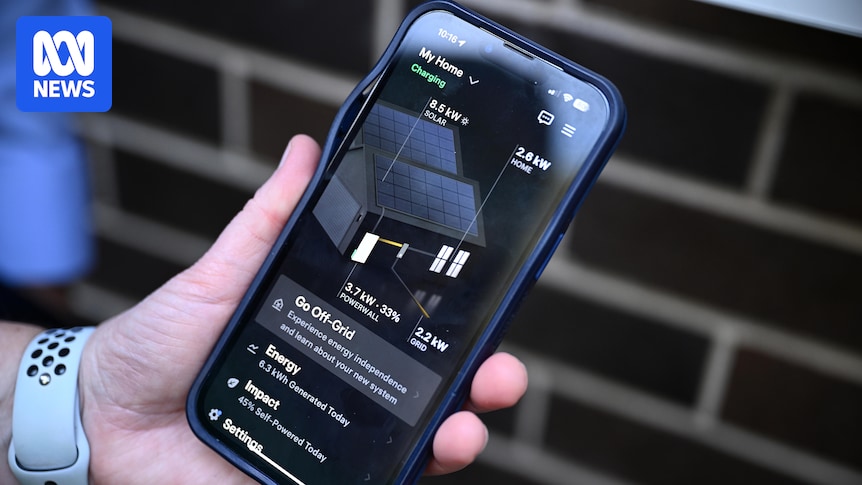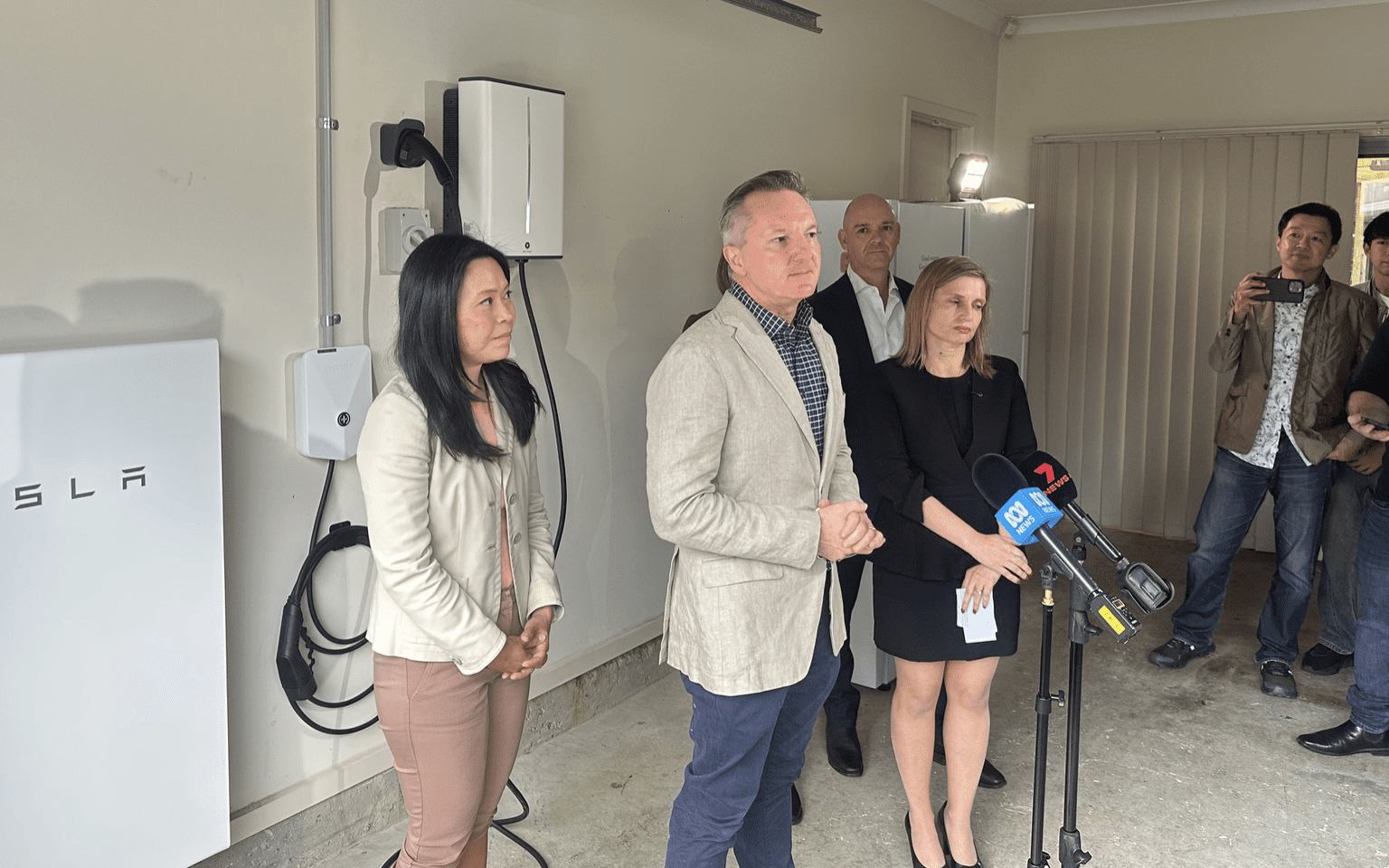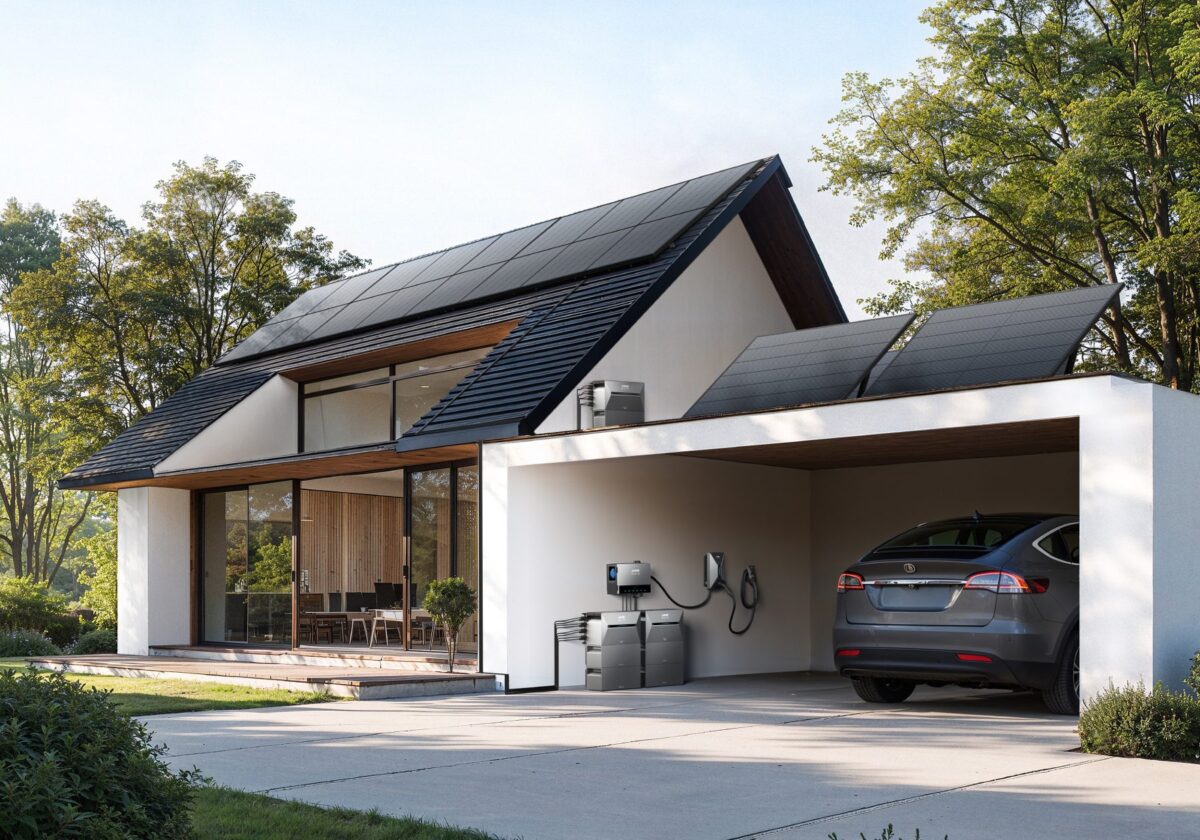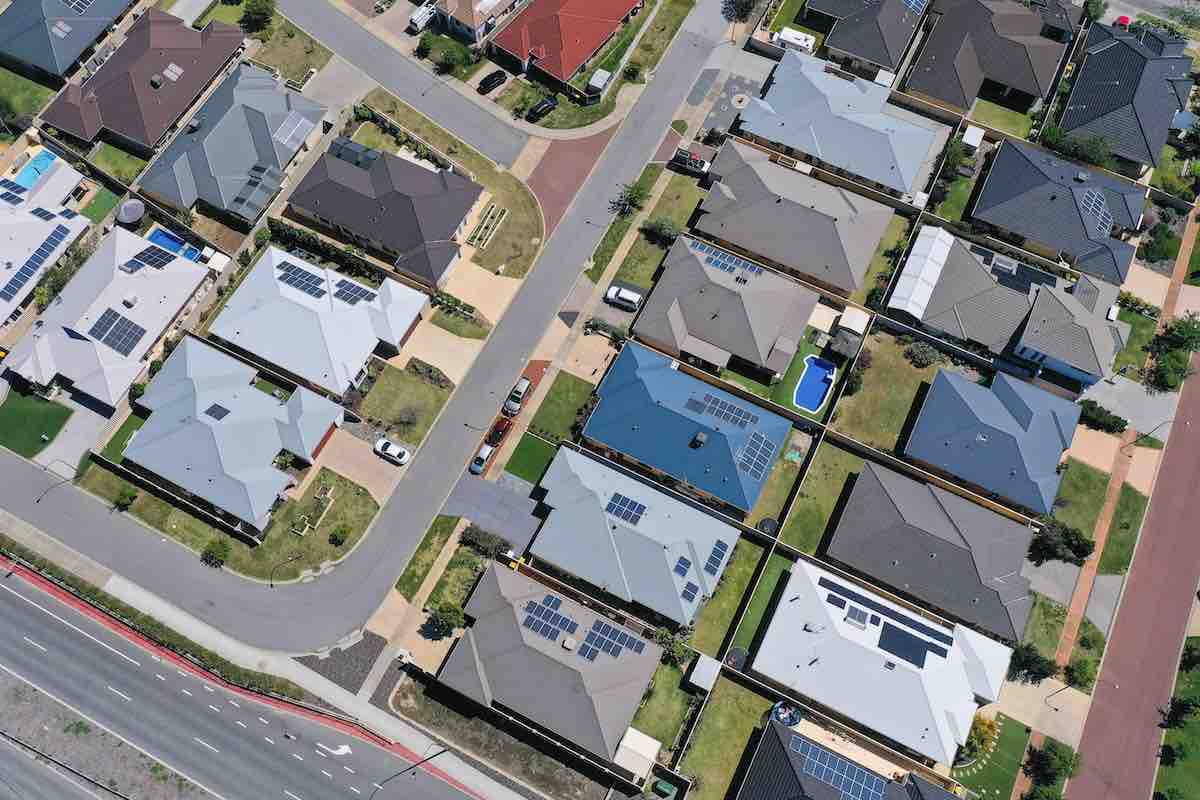
The rise and rise of home battery storage, spurred on by the success of federal and state rebates, is shaping up to shave hundreds of megawatts off future peak electricity demand on Australia’s biggest isolated grid, even as overall consumption continues to rise.
The Australian Energy Market Operator says peak demand on the Western Australia electricity market, or WEM, is being reduced by consumer-owned energy resources, including a combined rooftop solar capacity that is forecast to almost double from around 3.1 gigawatts in 2026-27 to 6 GW by 2035-36.
AEMO’s annual 10-year outlook for the WEM, the 2026 Electricity Statement of Opportunities (ESOO), is also forecasting that distributed battery capacity will grow from around 550 megawatts (MW) in 2026-27 to something more like 2,300 MW (2.3 GW) by 2035-36.
But it is the impact that this behind-the-meter solar and storage is expected have on the broader grid – and more specifically on future electricity demand profiles – that is the big turn-up from this year’s ESOO, published on Tuesday.
According to AEMO, the coordination of distributed energy resources (DER) through virtual power plants (VPP) is expected to reduce the need for grid-scale investment by approximately 200 MW in 2028-29, when it expects about 640 MW of batteries will be able to be orchestrated through the state retailer’s VPPs.