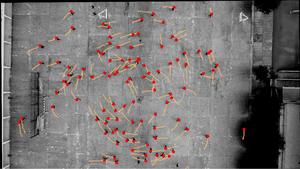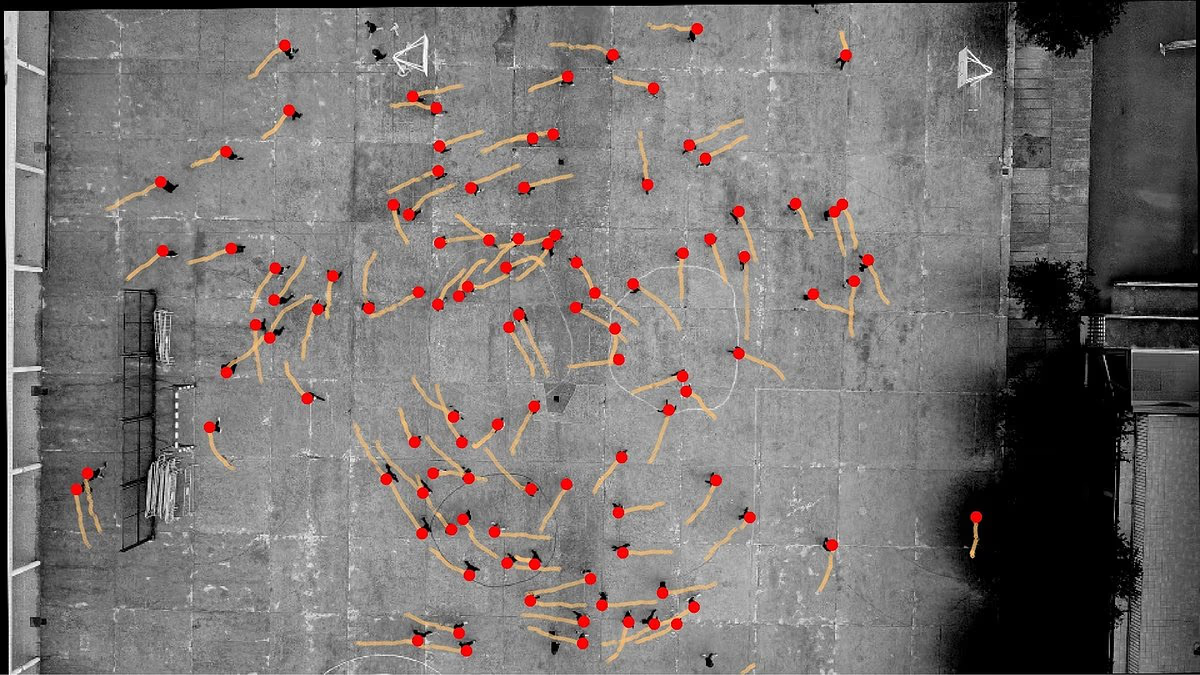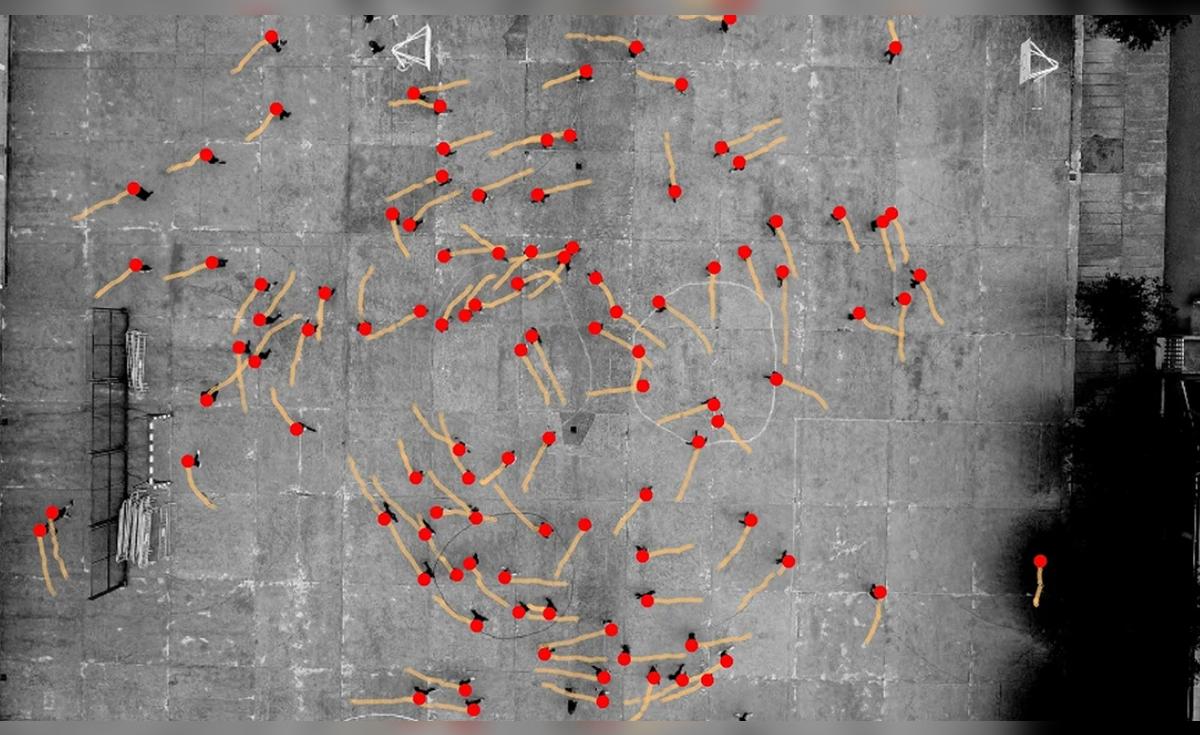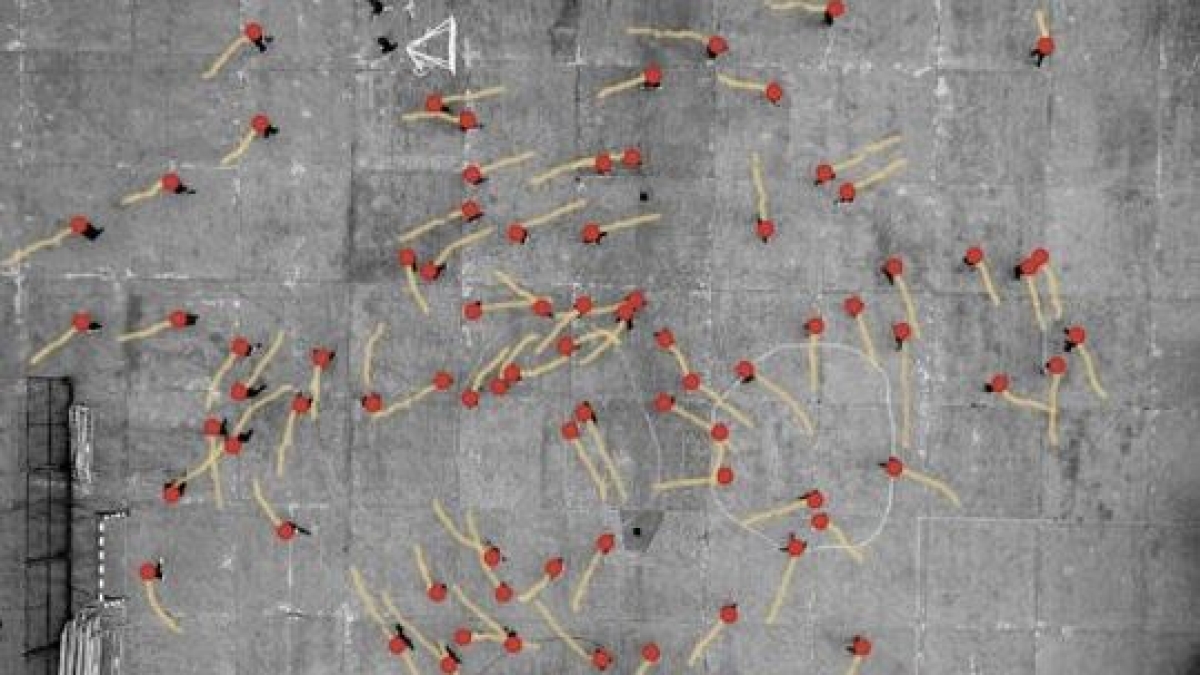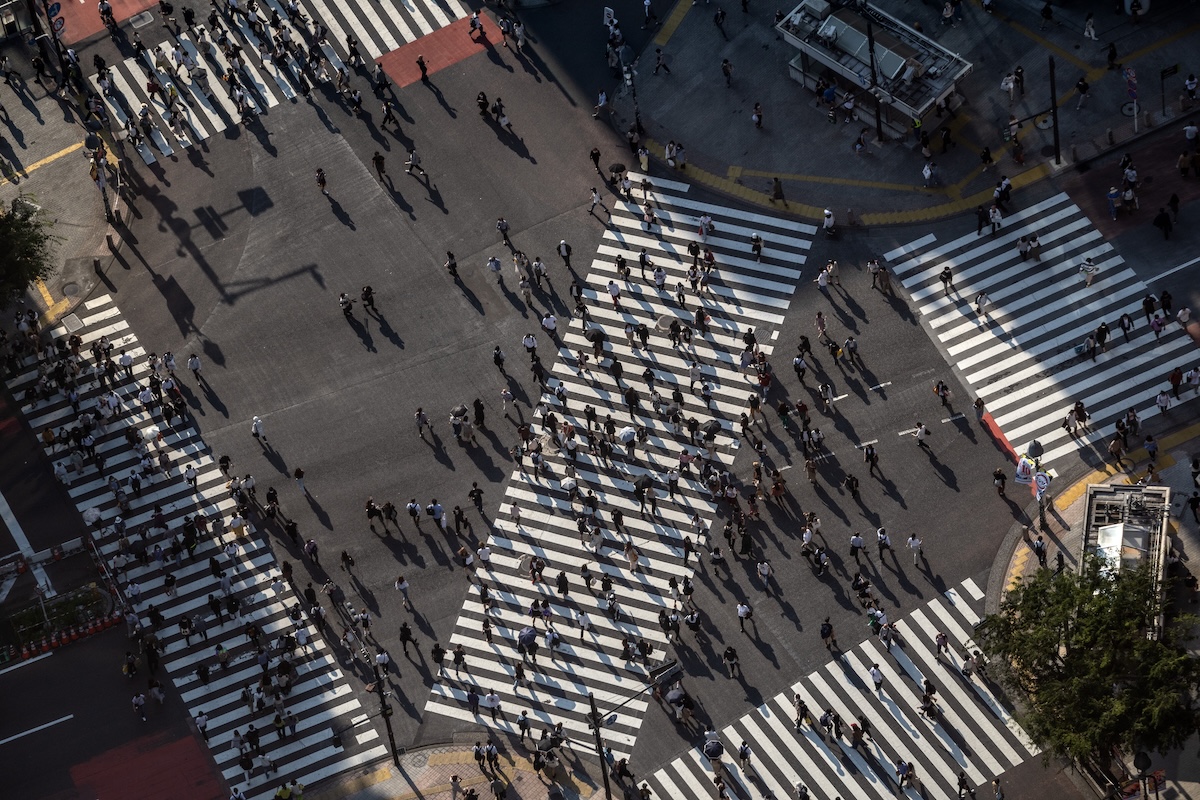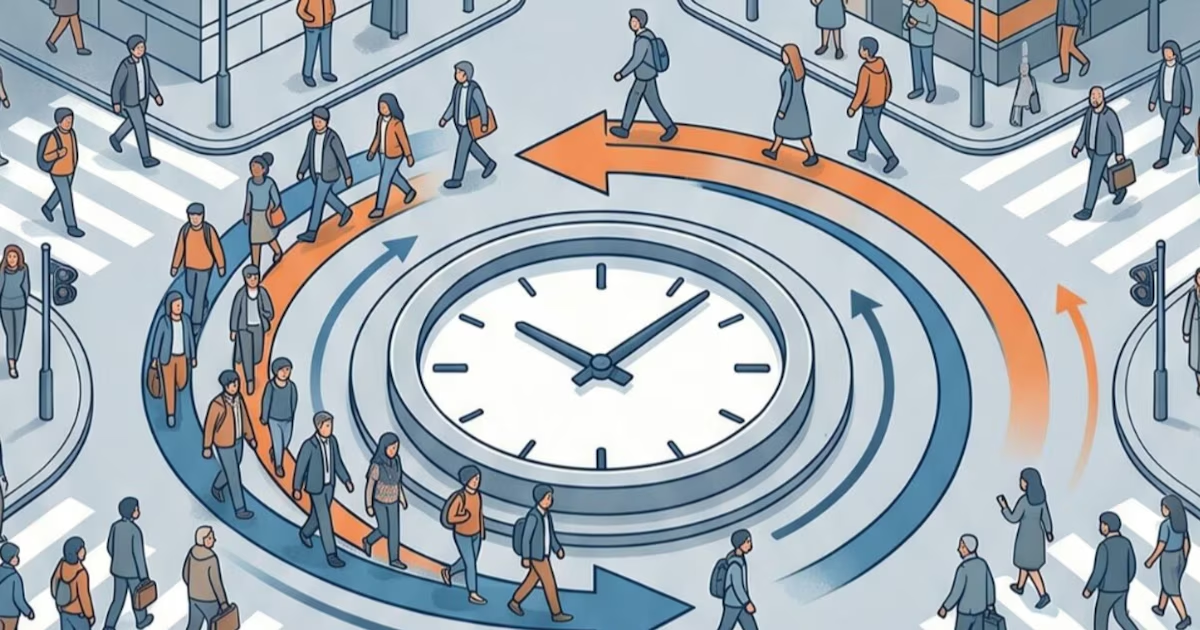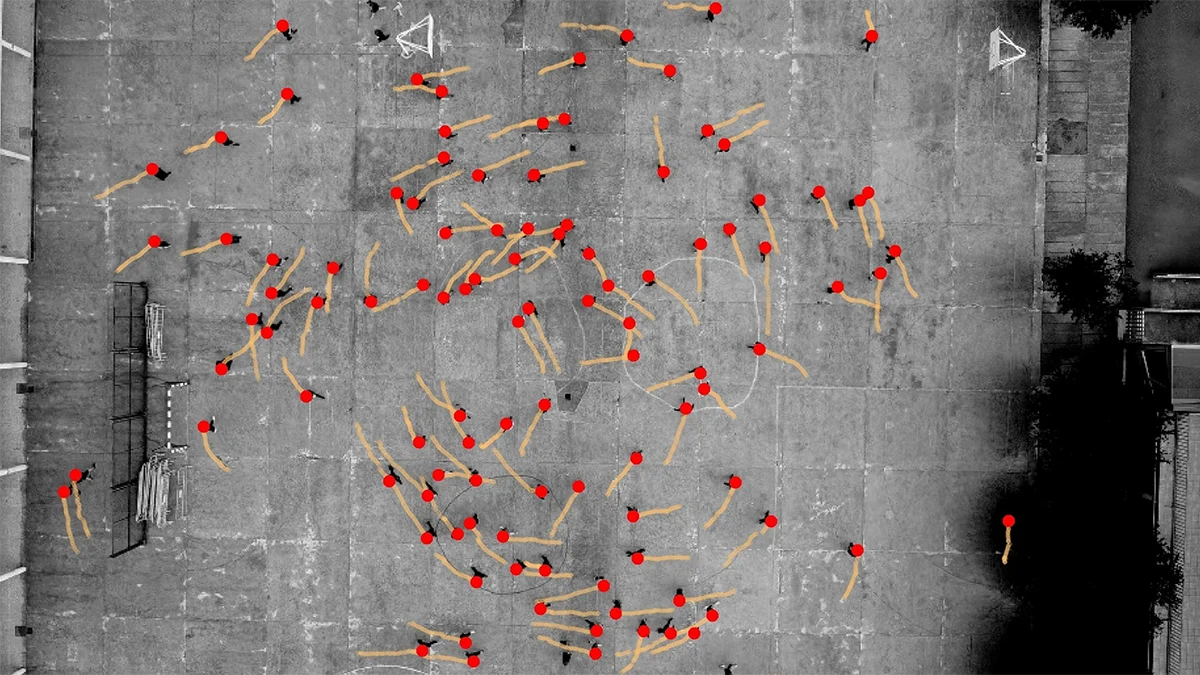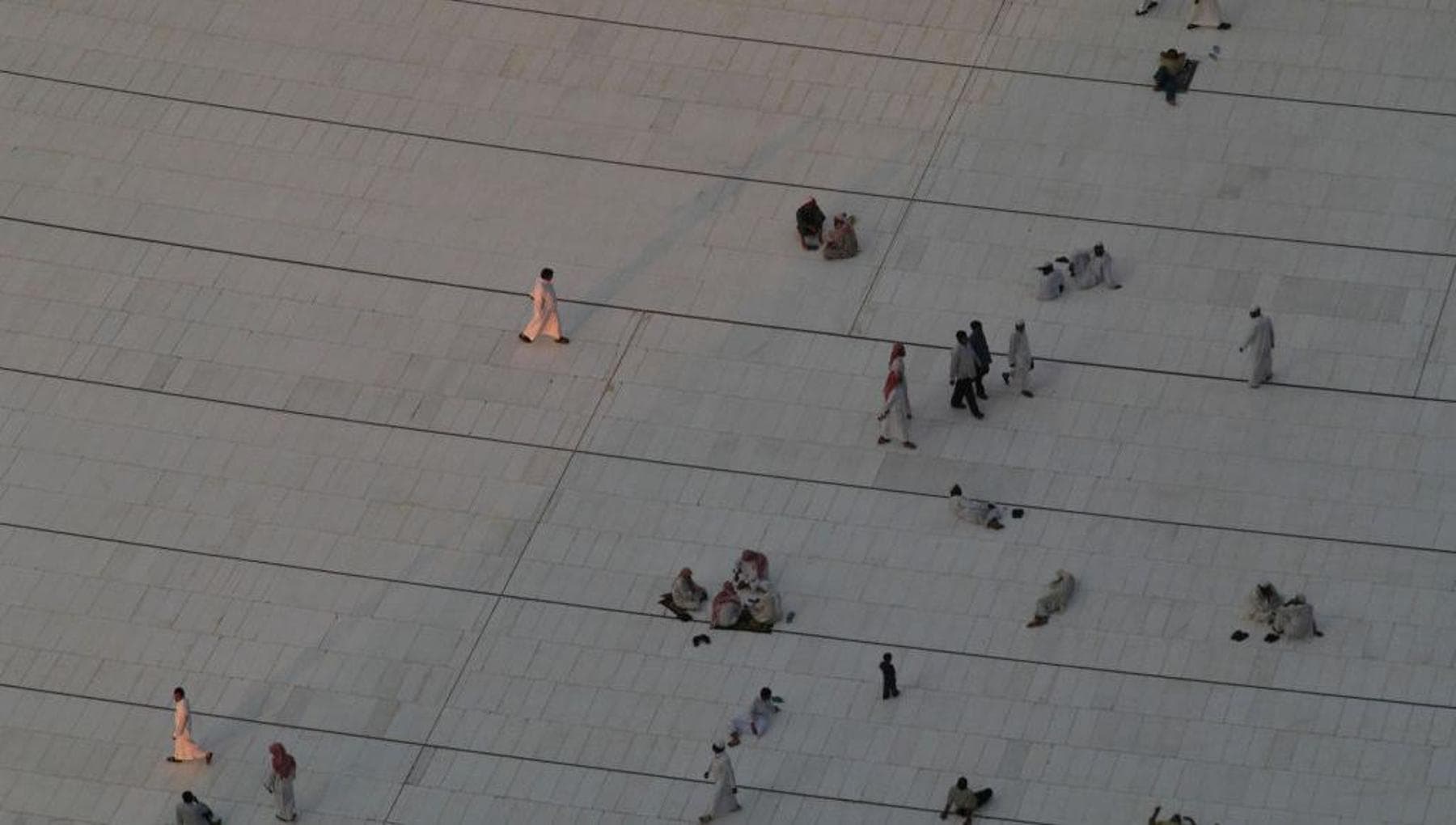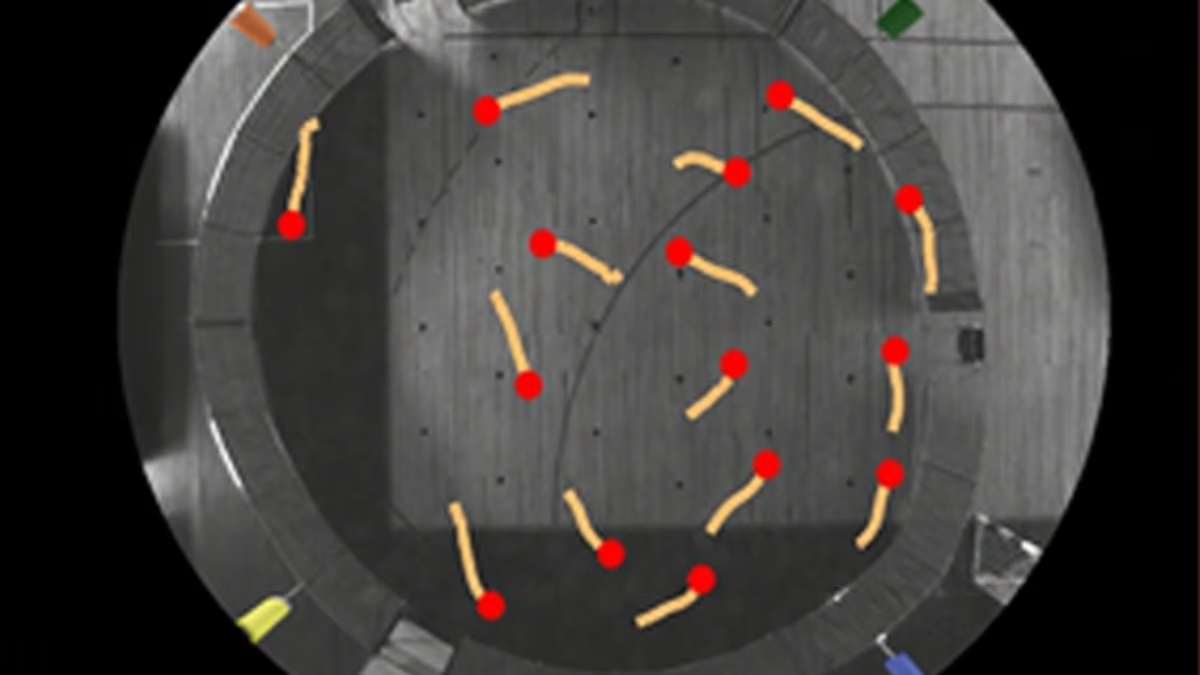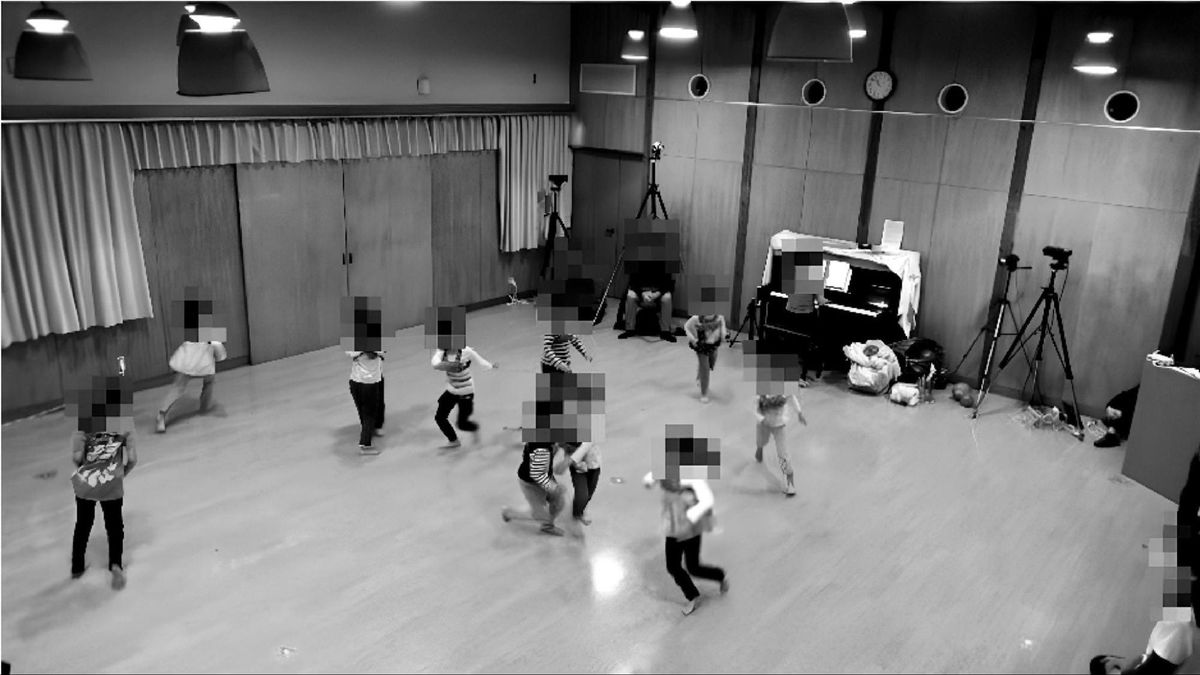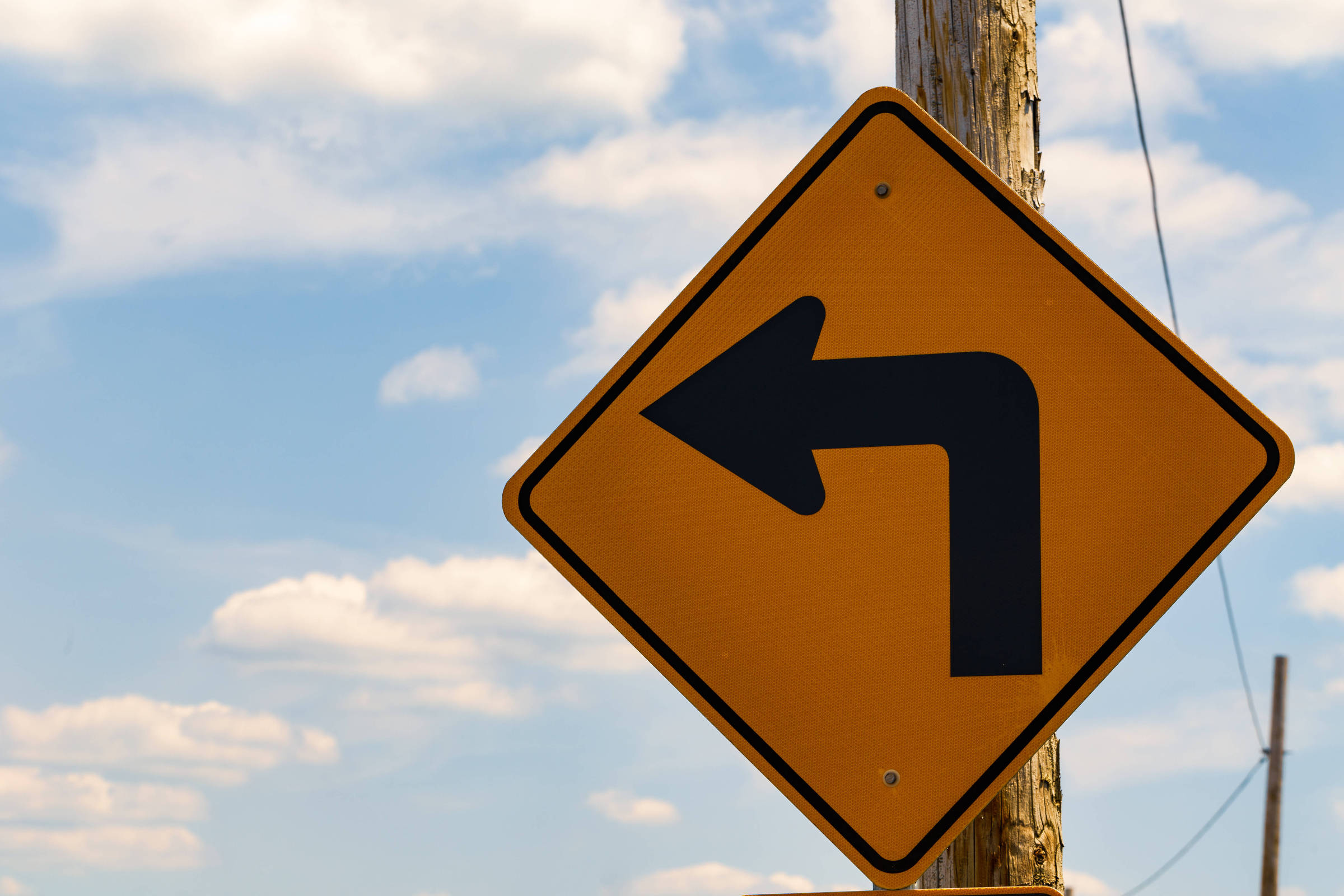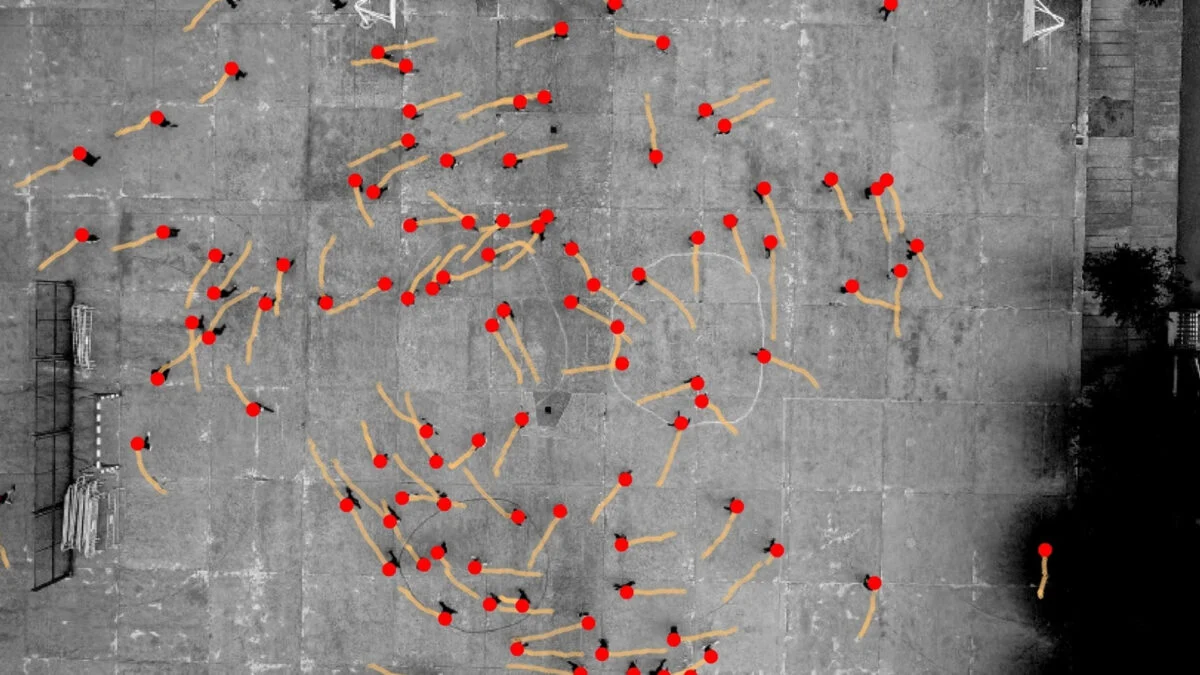
When you’re walking down a crowded street and trying to avoid bumping into other people, science says you’re probably going to turn left. As for why, scientists aren’t sure yet. That was the gist of a recent study published in Nature Communications. According to the study, there seems to be a real counterclockwise bias in pedestrian behavior, regardless of age, gender, and social dynamics. Across five experiments with 573 participants, the team tested various hypotheses as to why this was happening—but to no avail. “This was completely unexpected as, at least instinctively, when people walk around randomly, you imagine people turn as their needs suit them with little sign of an overall preference,” Claudio Feliciani, the study’s co-author and a researcher at Waseda University in Japan, said in a statement. “But there was a definite, measurable tendency for people to turn counterclockwise over clockwise, all things being equal.” Sorry, excuse me According to the study, walking along a crowded street represents a unique instance of collective behavior that emerges from a “simple individual behavior adopted independently by many people,” that is, not wanting to bump into other people. These emerging phenomena, as they’re called, don’t necessarily need leaders or intentional movement, and “people are often not even aware of the pattern they are creating,” the paper added.
Pedestrians Prefer to Veer Left—and Scientists Have No Idea Why
The bias certainly appears to exist, but scientists still have no idea why it exists.
588 words~3 min read