view more
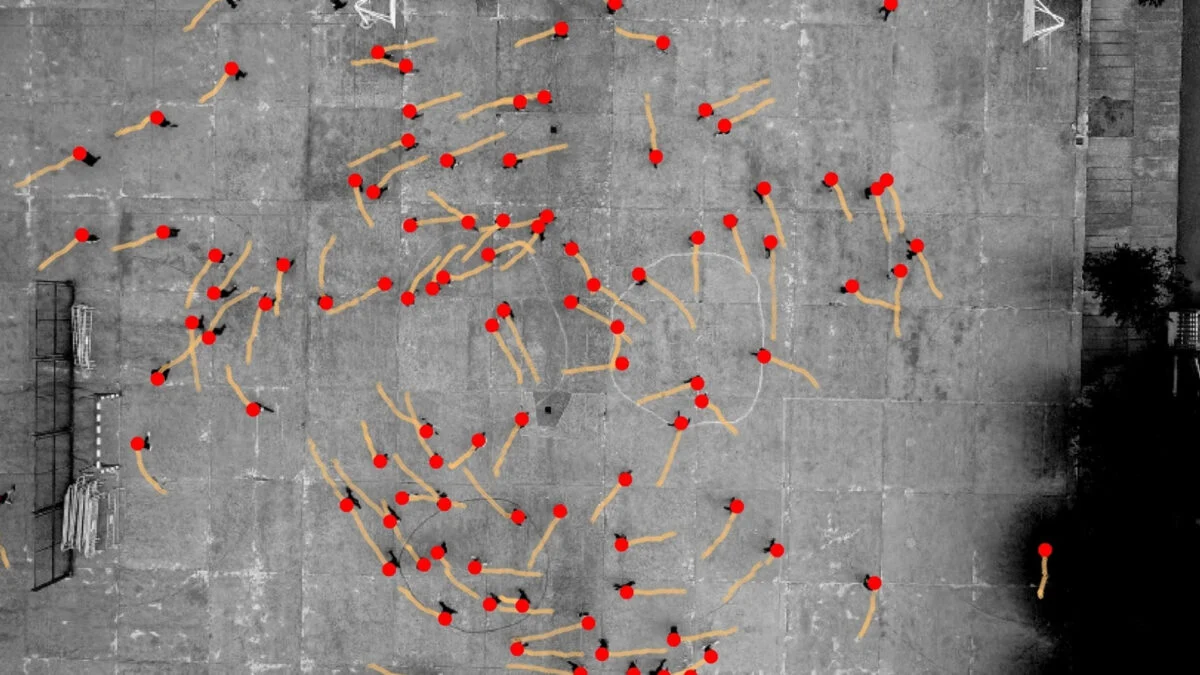
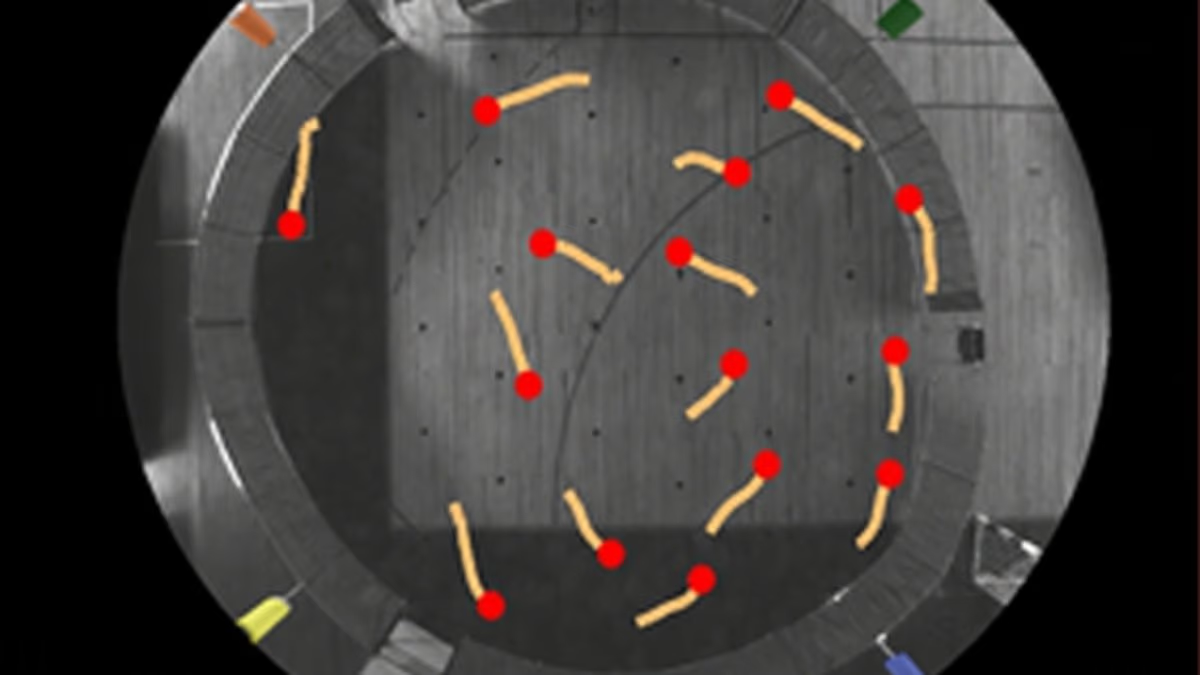
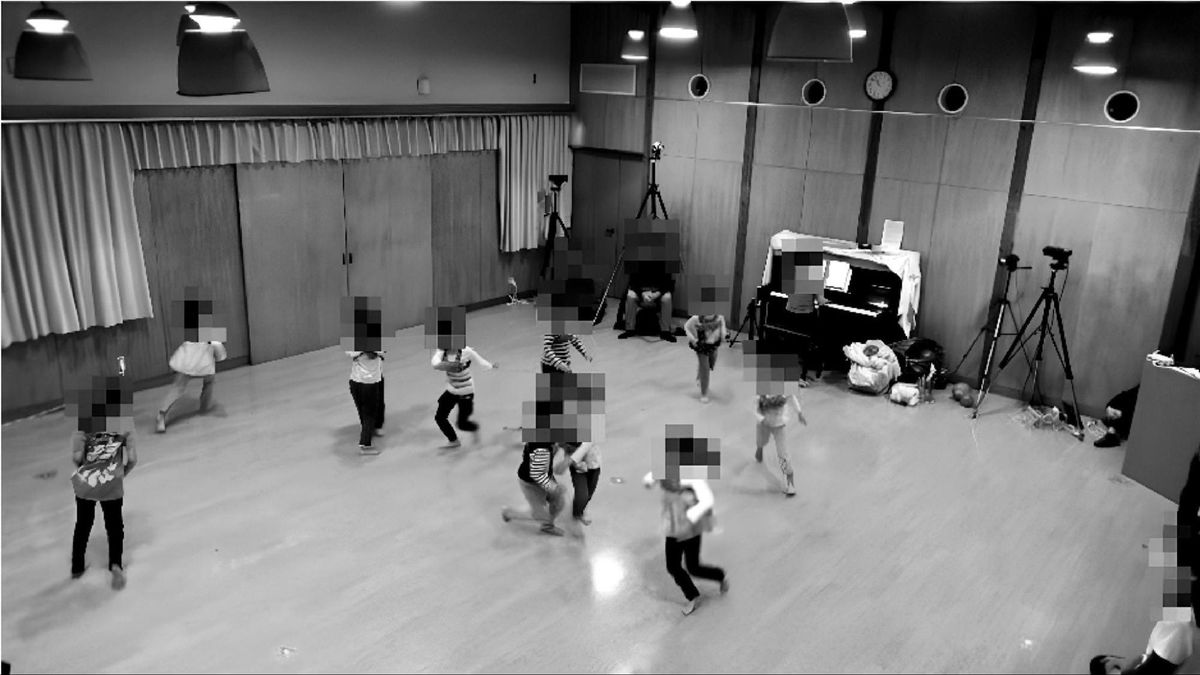
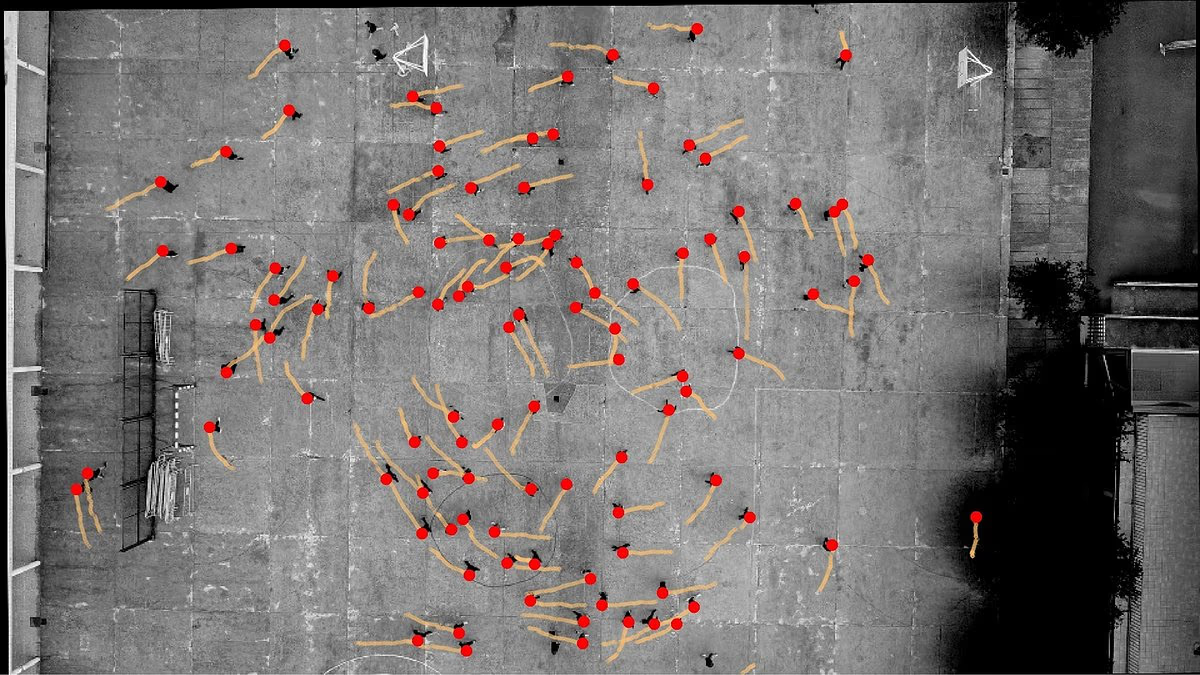
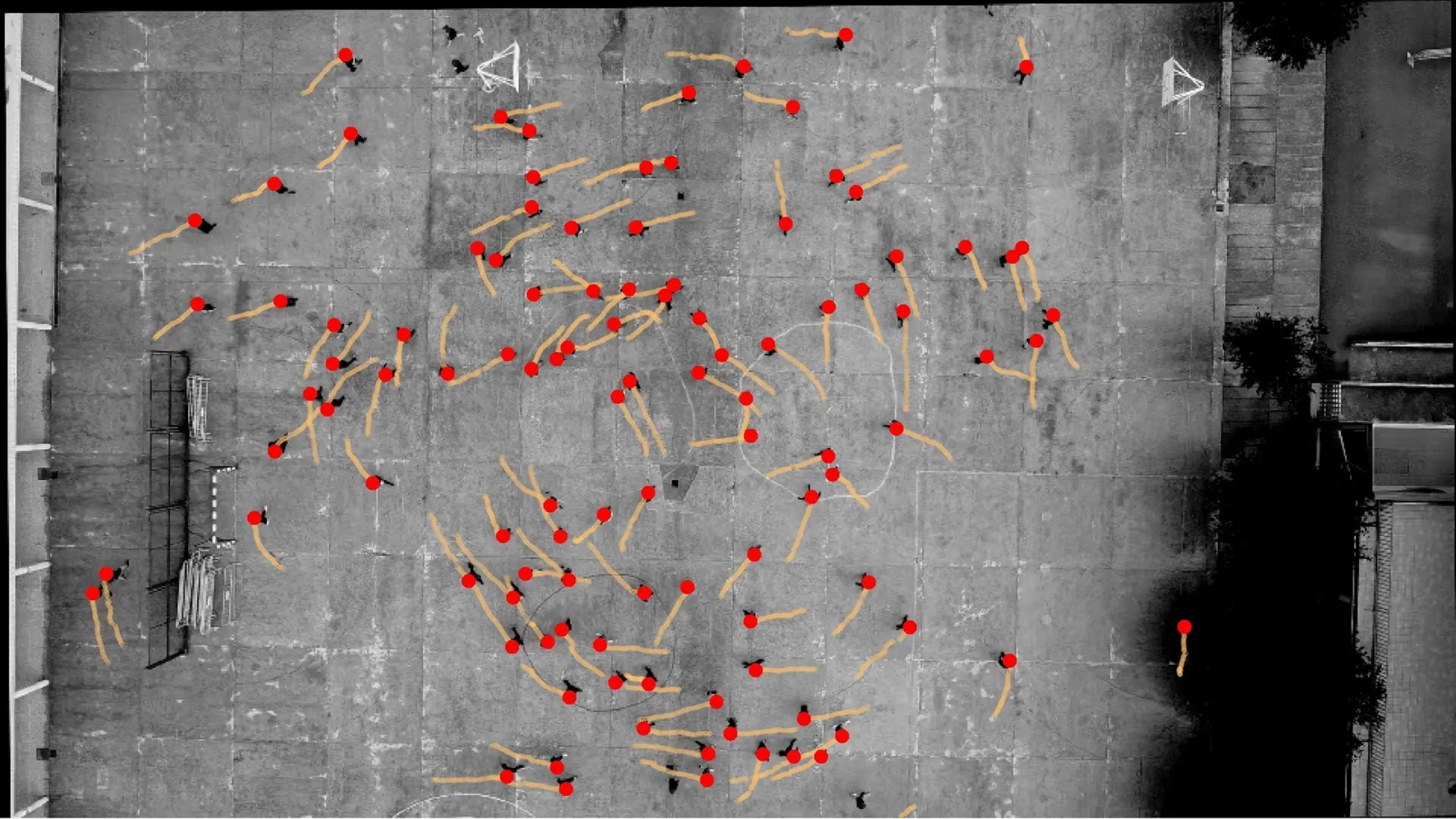
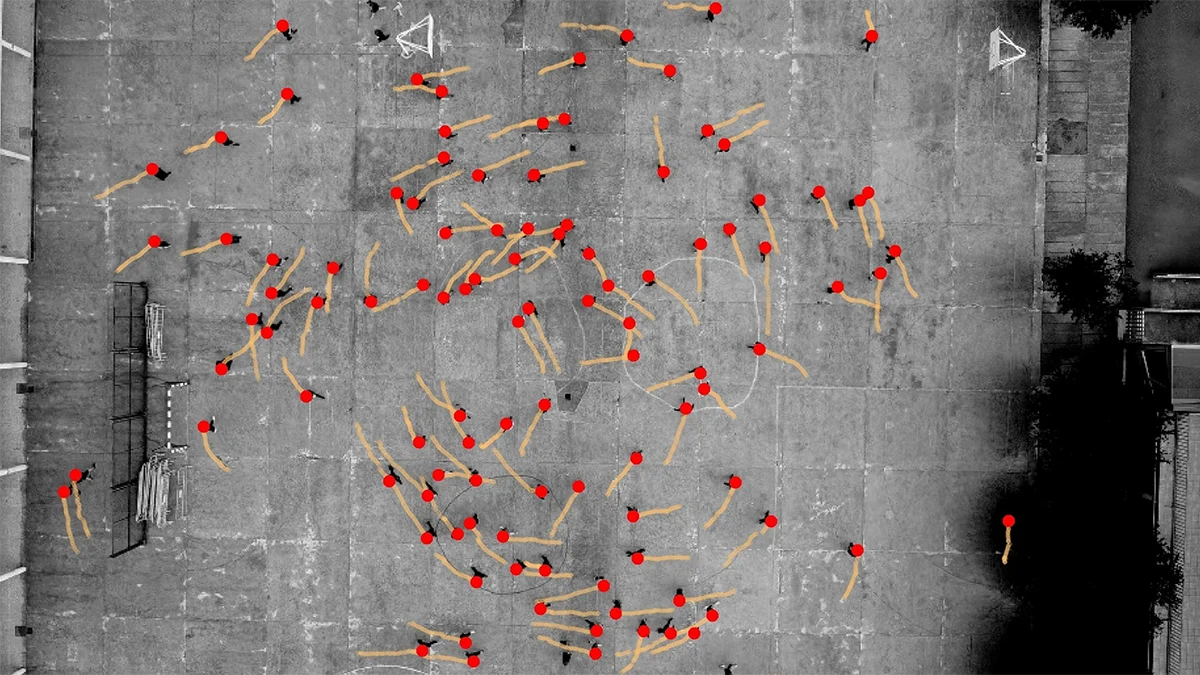
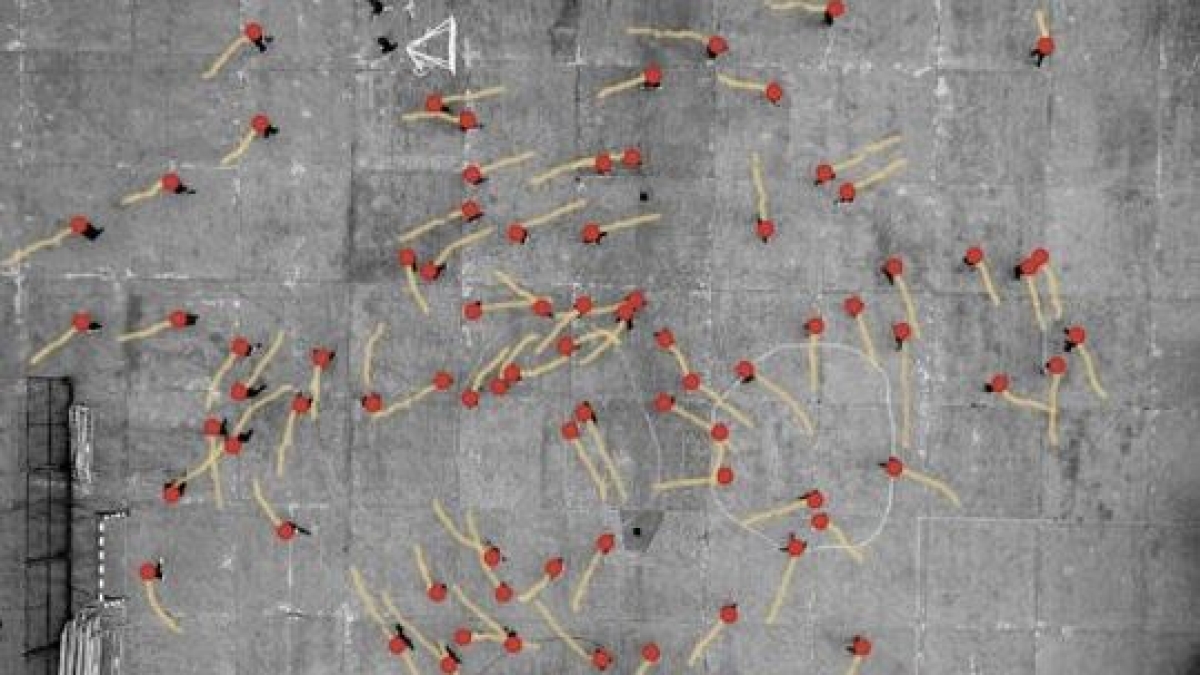
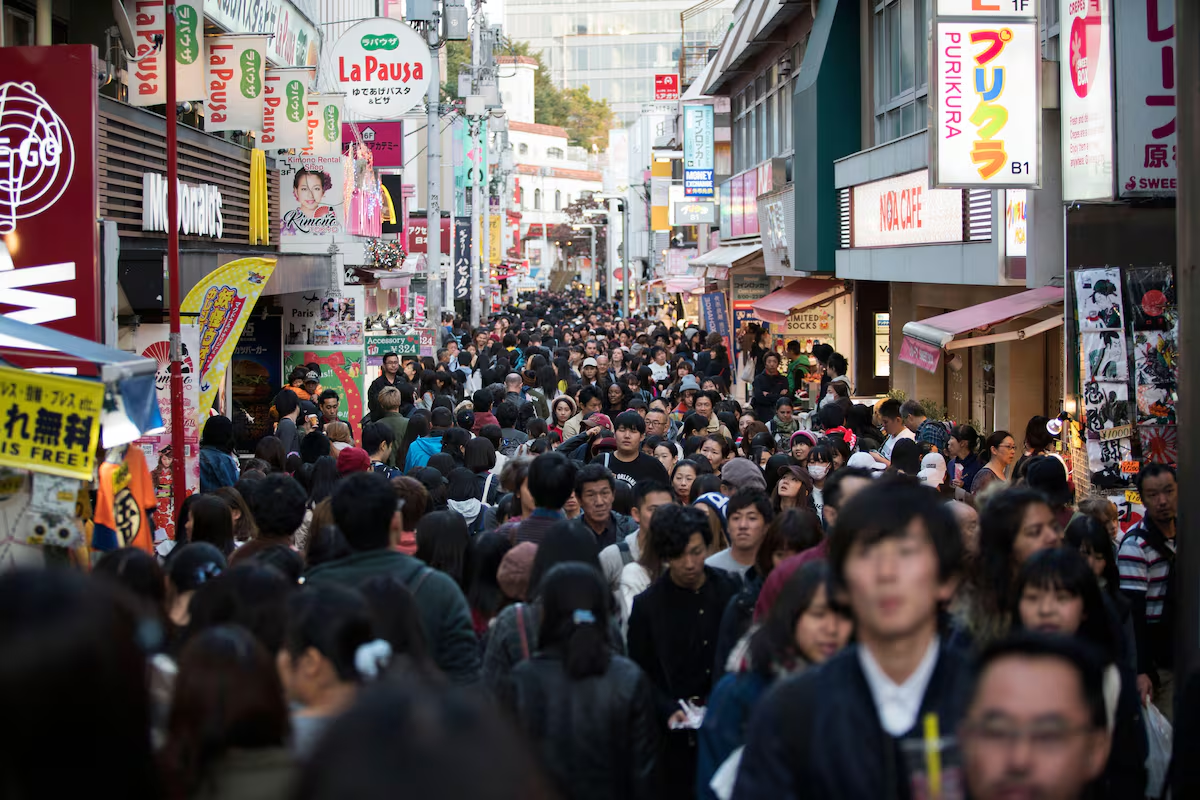
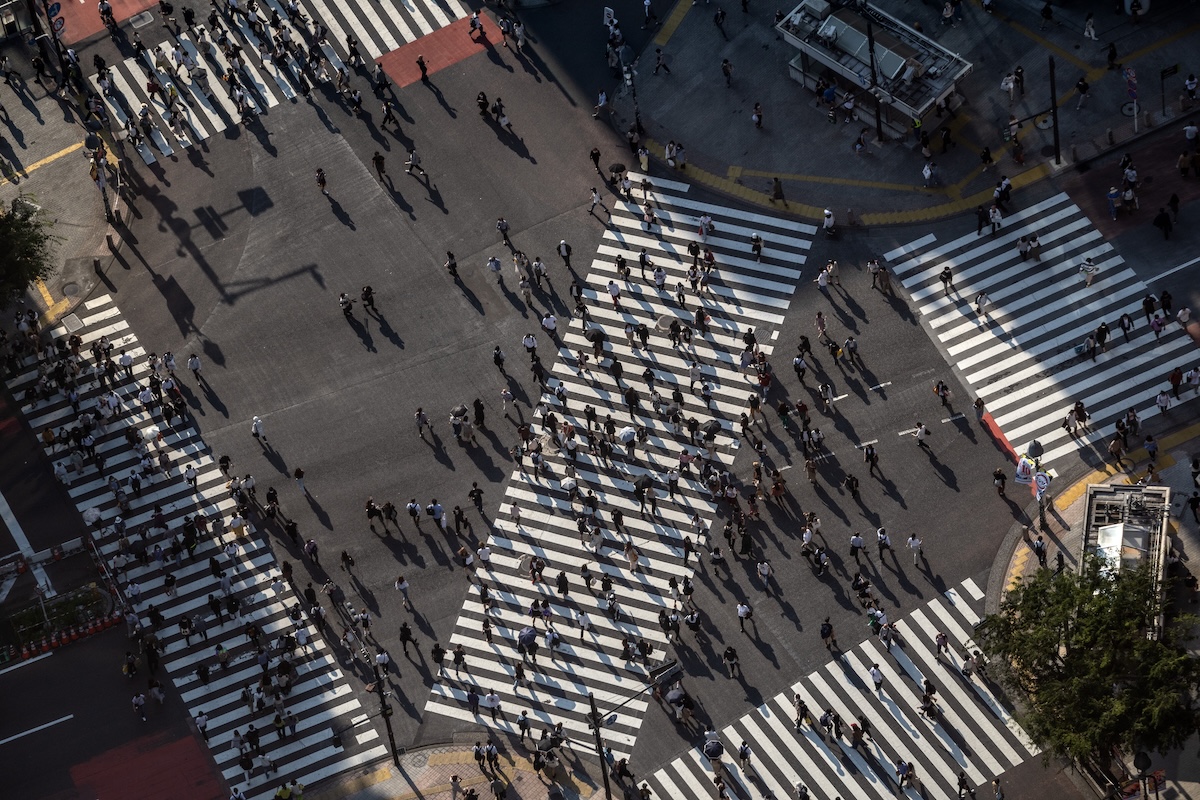
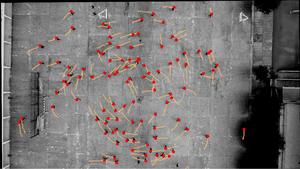
Researchers in Spain and Japan tested a broad range of pedestrians in varying group sizes to see whether there were any patterns to their turning behaviors, and what factors influence them if there are. It turns out that the vast majority of people have a preference for counterclockwise turning. Most factors such as culture or gender made little difference. Only age showed a noticeable but small change in that younger people followed this pattern more strongly. This area of research could impact our understanding of the brain, and fields like design, engineering and architecture. The original research, including the initial experiments and analysis, was conducted by the Department of Physics and Mathematics at the University of Navarra in Spain, with additional comparative experiments later carried out in Japan in collaboration with the University of Tokyo team.
During the COVID-19 pandemic, public health officials in Spain and elsewhere created rules and guidelines around social distancing, as a means to impede the spread of the virus. A person-to-person gap of around 2 meters was broadly found to be effective, and the challenge became how to encourage that gap be maintained in public spaces. Following one particular experiment on a group of test pedestrians, the researchers couldn’t help but notice something in the video data they’d recorded, which, while not what they were looking for, surprised them and piqued their curiosity to know what it was they were seeing.