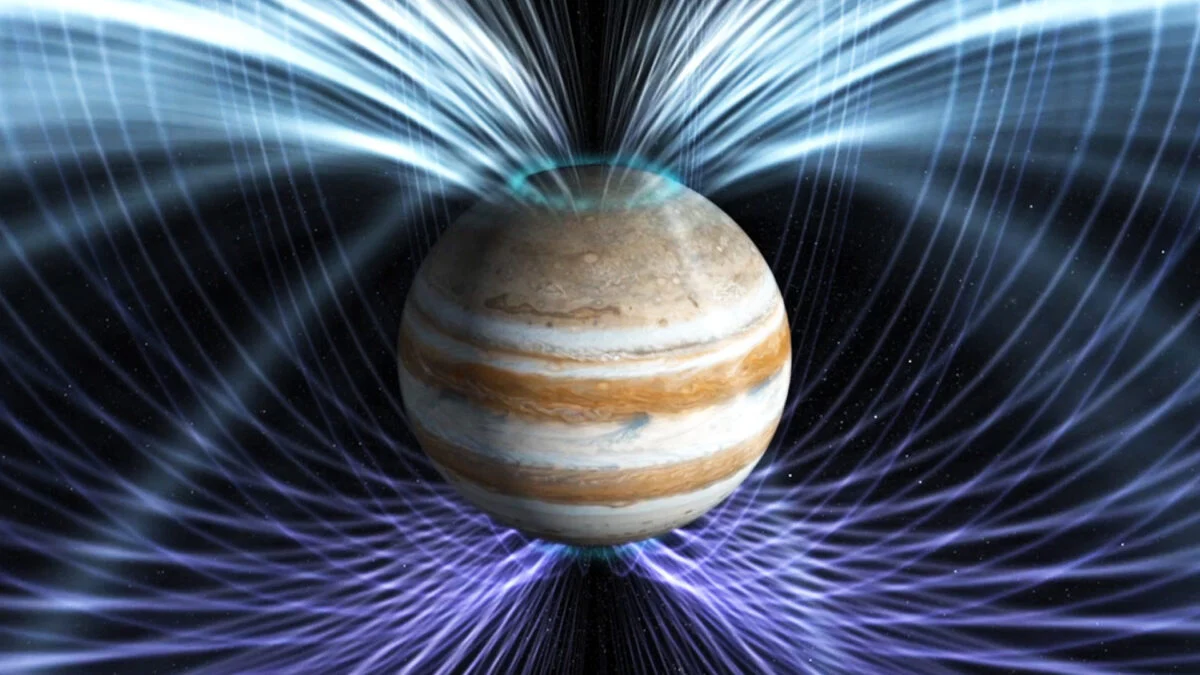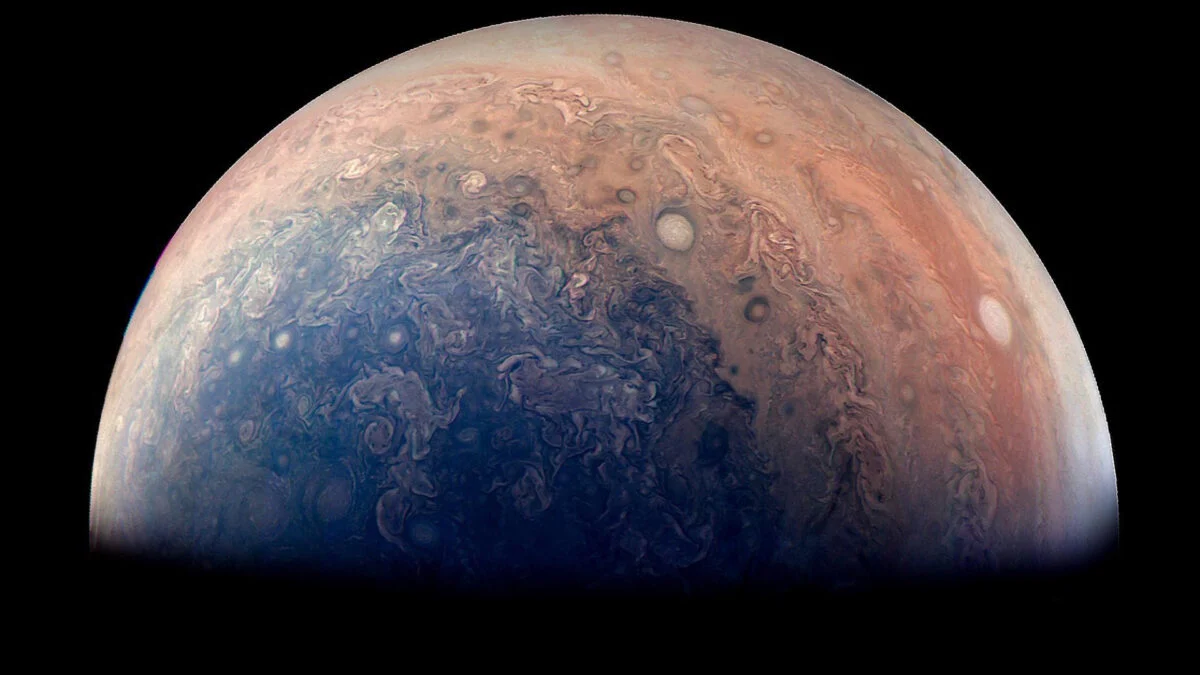
Astronomers have long suspected that a planet's mass and its rotation speed are linked. In our own Solar System, Jupiter and Saturn provide striking examples. Despite their enormous size, both complete a full rotation in about 10 hours and account for a large share of the Solar System's total rotational energy.
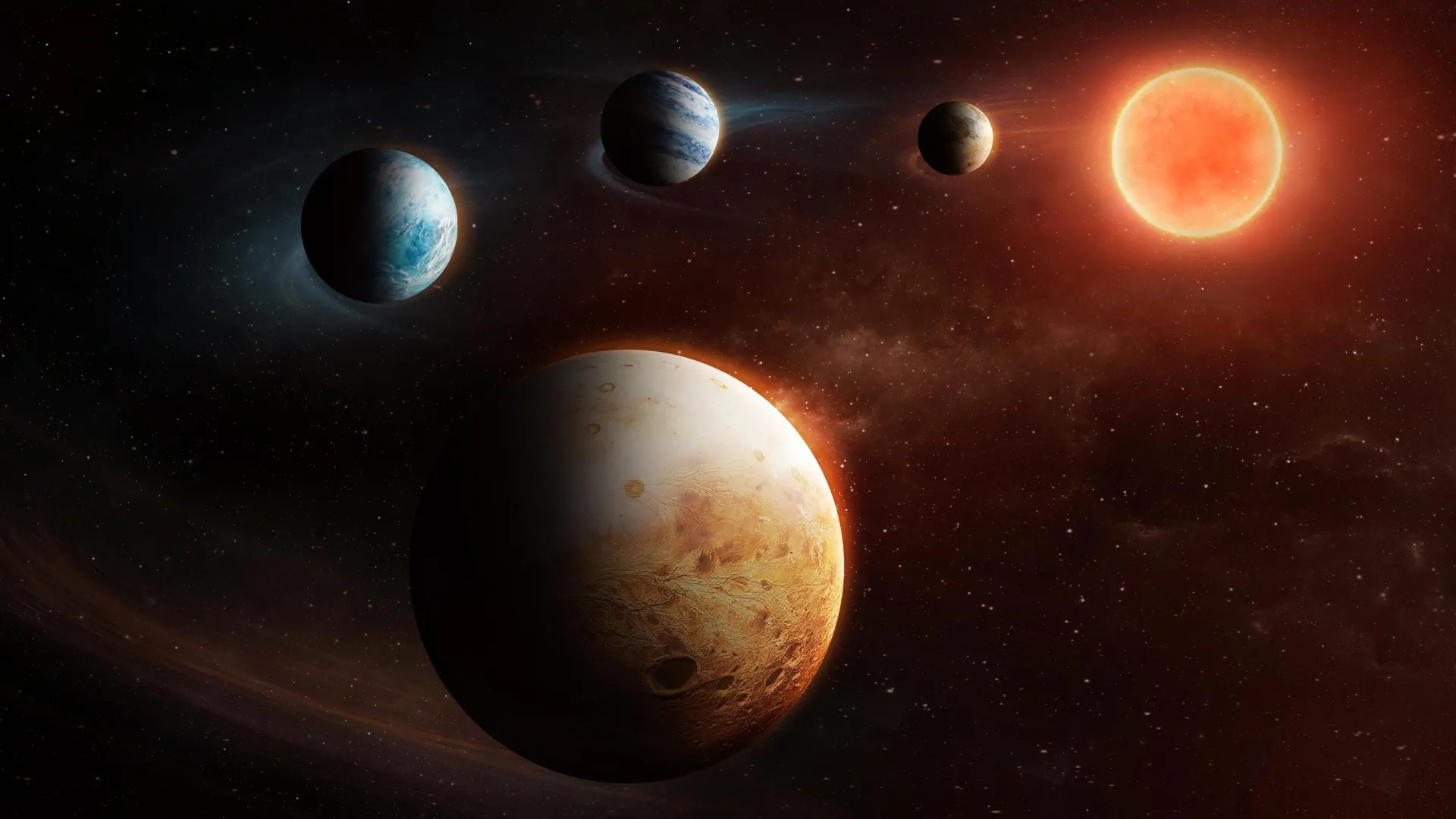
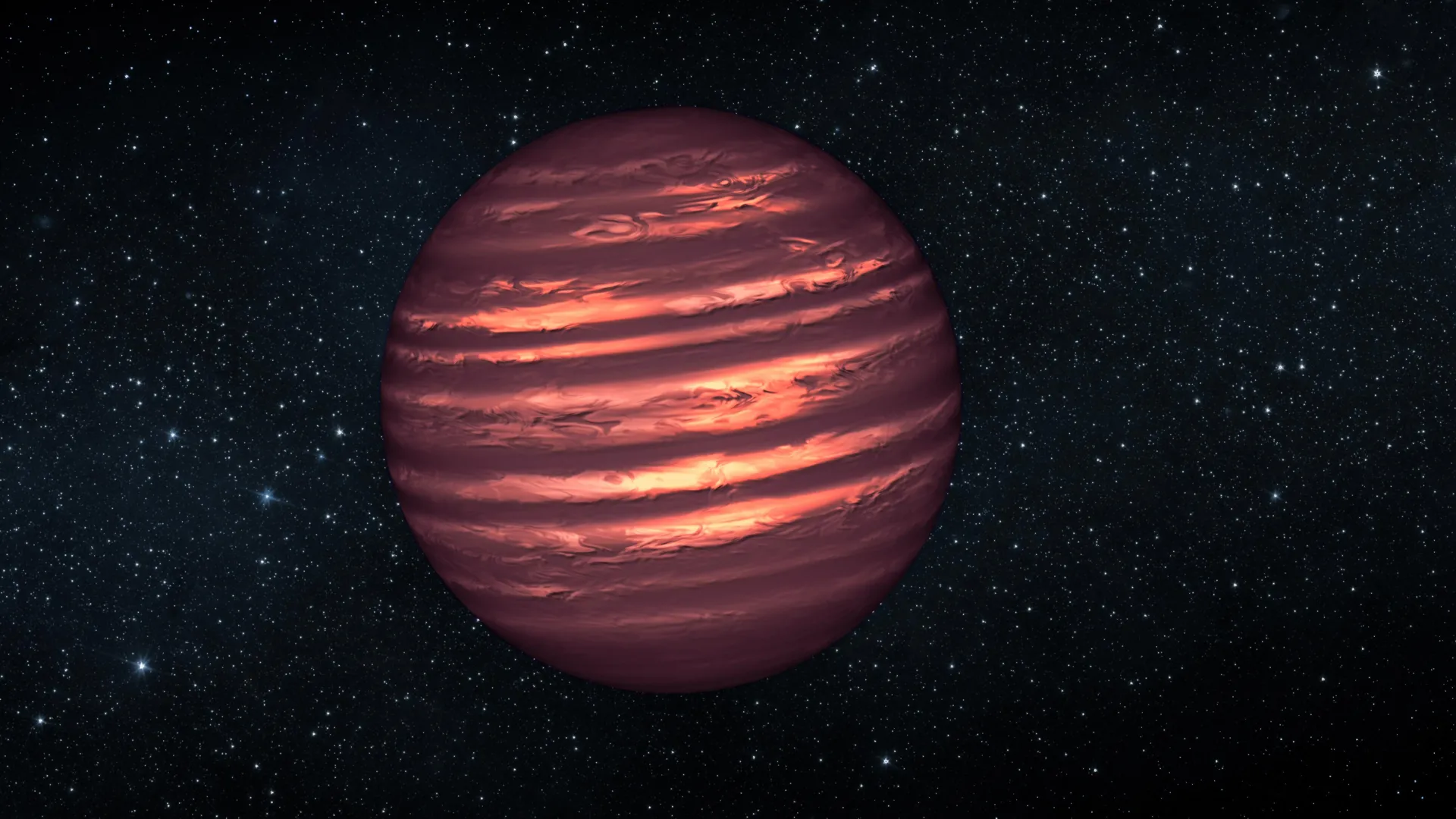
To test whether this relationship extends beyond our cosmic neighborhood, researchers used the W. M. Keck Observatory on Maunakea, Hawai'i, to study a large sample of distant giant worlds. Their survey included 32 gas giants and brown dwarf companions in other star systems, including 6 planets larger than Jupiter and 25 brown dwarf companions.
The observations revealed an intriguing trend. When factors such as mass, size, and age are considered, giant gas planets tend to rotate faster than more massive brown dwarfs. To strengthen their analysis, the researchers also incorporated previous spin measurements from other studies, creating a carefully selected dataset that included 43 stellar/substellar companions and giant planets, along with 54 free-floating brown dwarfs and planetary-mass objects.
The international team was led by scientists at Northwestern University's Center for Interdisciplinary Exploration and Research in Astrophysics (CIERA). Collaborators included researchers from the Center for Astrophysics and Space Sciences (CASS) at UC San Diego, the Division of Geological & Planetary Sciences (GPS) at Caltech, the W. M. Keck Observatory, the Steward Observatory, the James C. Wyant College of Optical Sciences, NASA's Jet Propulsion Laboratory, and several other institutions. Their findings were published in The Astronomical Journal.