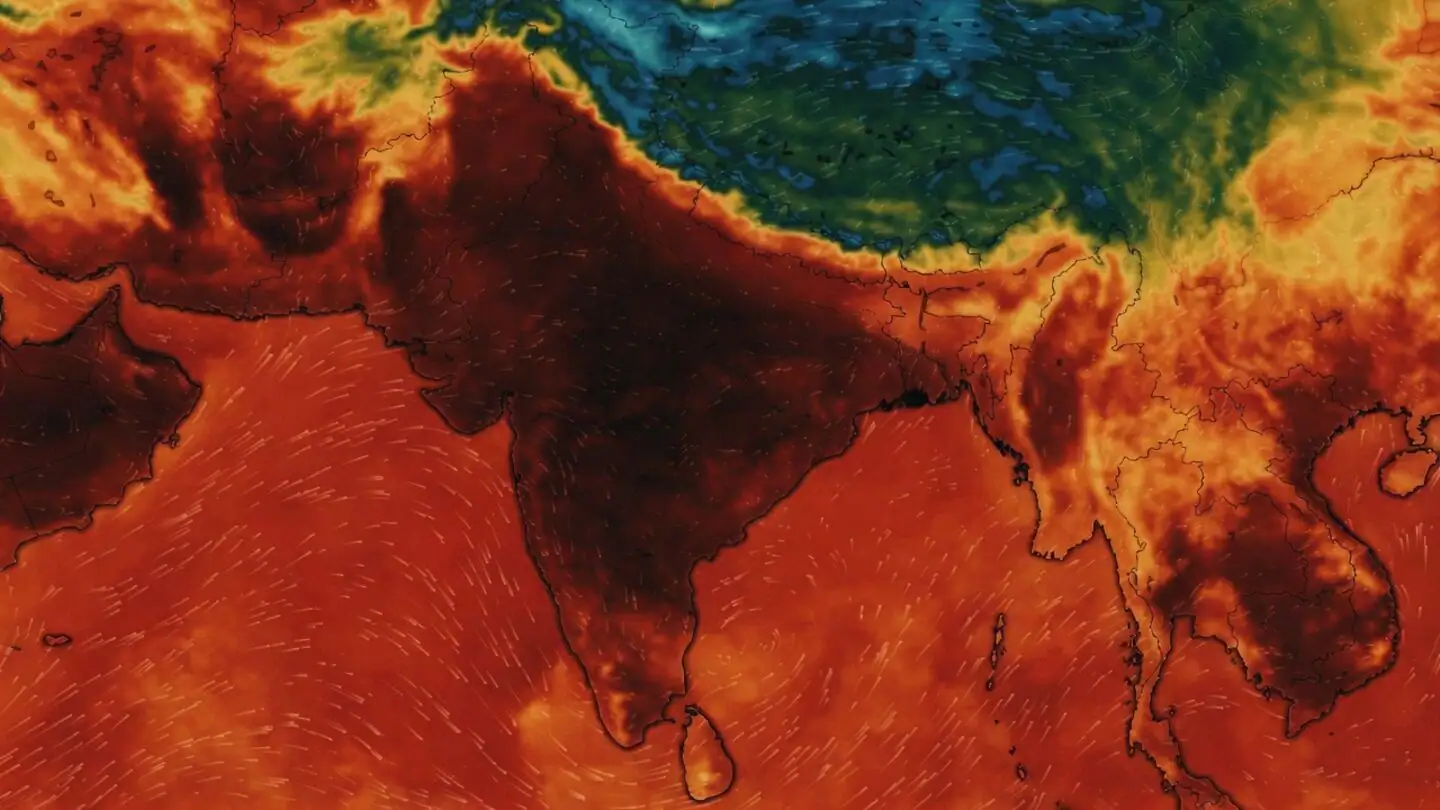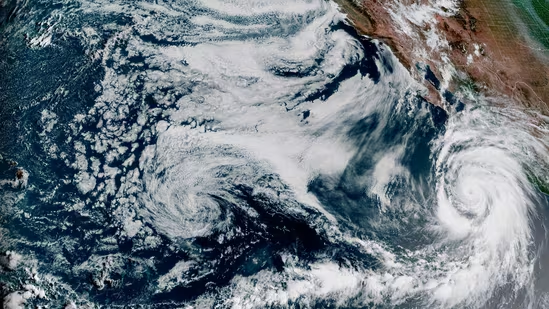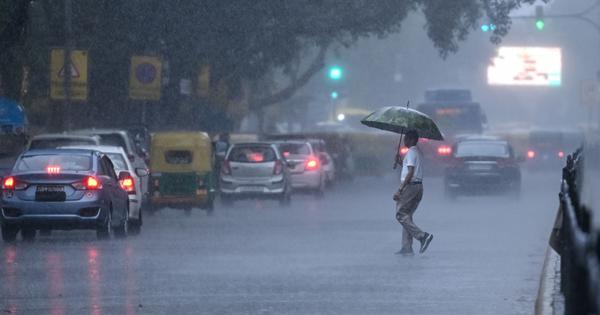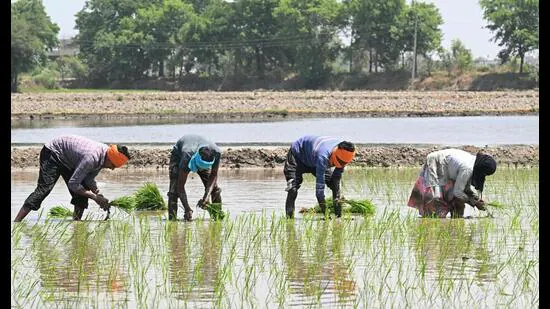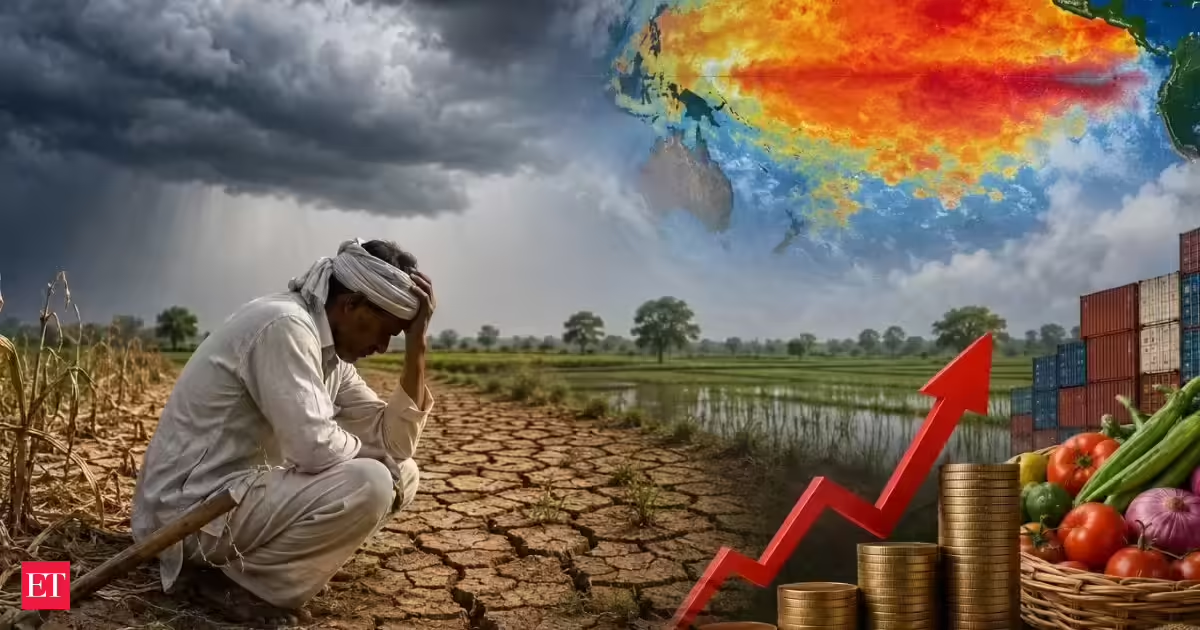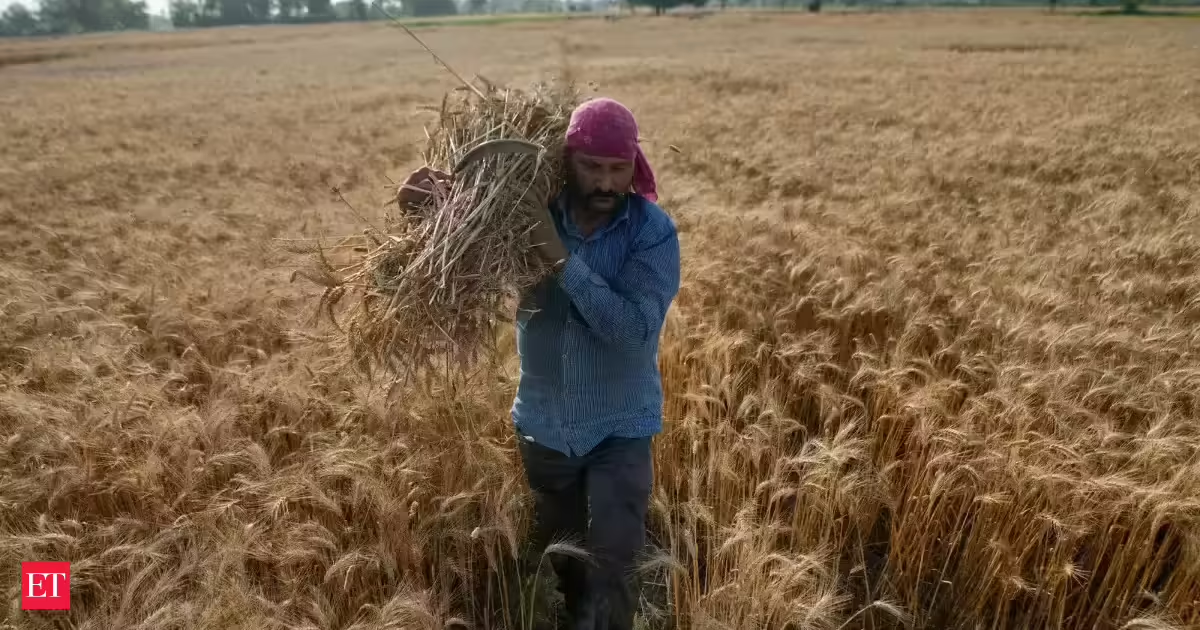
El Nino conditions have set in over the equatorial Pacific Ocean and could strengthen during the southwest monsoon season, the India Meteorological Department (IMD) said on Friday, raising concerns over rainfall during the country's largest sowing window. Historically, a strong El Nino, associated with weak and erratic rainfall and above-normal temperatures, has affected the output of key kharif crops, particularly oilseeds and pulses. The Indian Ocean Dipole (IOD), which can partly offset the impact of El Nino, is currently in a neutral phase and is expected to remain neutral through the four-month monsoon season, the weather office said. This has added to concerns over rainfall distribution. The IOD is a climate phenomenon caused by variations in sea surface temperatures in the Indian Ocean. Its positive, negative and neutral phases influence the Indian monsoon. A positive phase can bring more moisture towards India and support monsoon rainfall even in an El Nino year. The development comes after the IMD lowered its southwest monsoon forecast, predicting below-normal rainfall during the sowing season, when farmers plant paddy, pulses, oilseeds, sugarcane and other key crops. The weather office revised its forecast to 90% of the long-period average, down from its earlier projection of 92%. The monsoon reached the Indian mainland on June 4, three days behind the normal onset date over Kerala. Lower farm productivity has a direct bearing on inflation as vegetables, pulses and edible oils together account for a significant share of the Consumer Price Index. Beyond crops and food prices, El Nino can also weigh on the rural economy by affecting demand for fast-moving consumer goods, two-wheelers, tractors and apparel.
El Nino sets in, clouds kharif outlook
El Nino conditions have set in and may strengthen during the southwest monsoon, raising concerns for India's largest sowing window. The neutral Indian Ocean Dipole offers no offset, and the IMD has lowered its monsoon forecast to below-normal. This development threatens crop output, impacting inflation and the rural economy.
269 words~1 min read