It’s all on the players now.
While the FIFA 2026 World Cup was envisioned as a massive global celebration of the world’s most popular sport, with some happy dollars to be made all around, the games arrive in North America with surprisingly little buzz. Instead, there’s a surplus of annoying, droning noise.
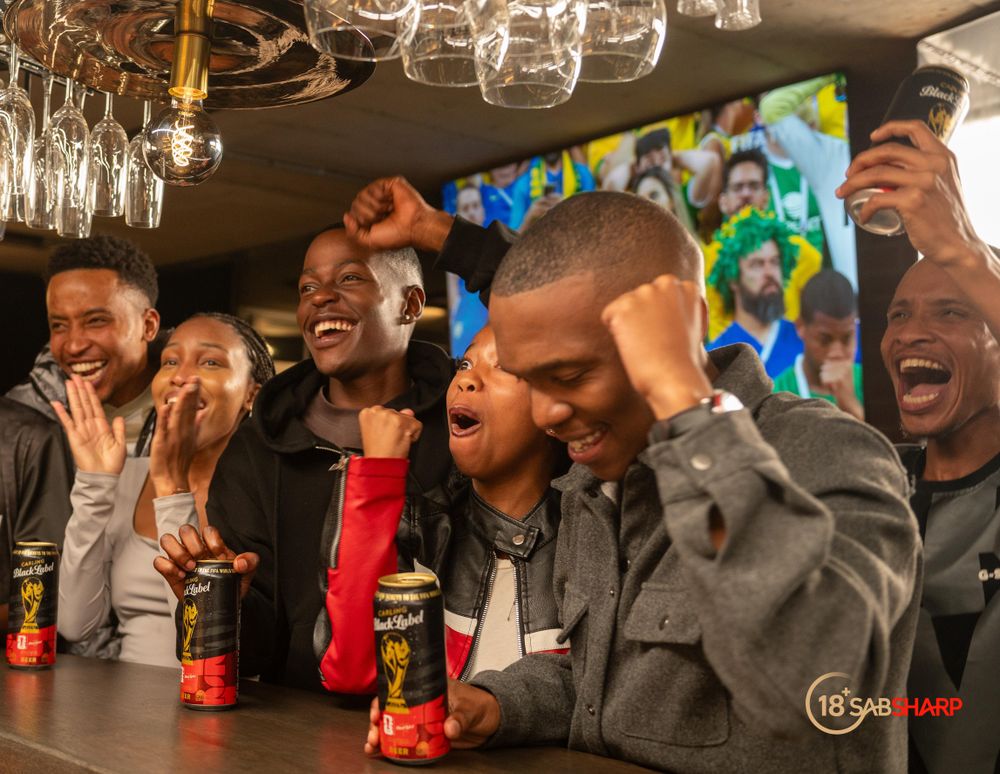
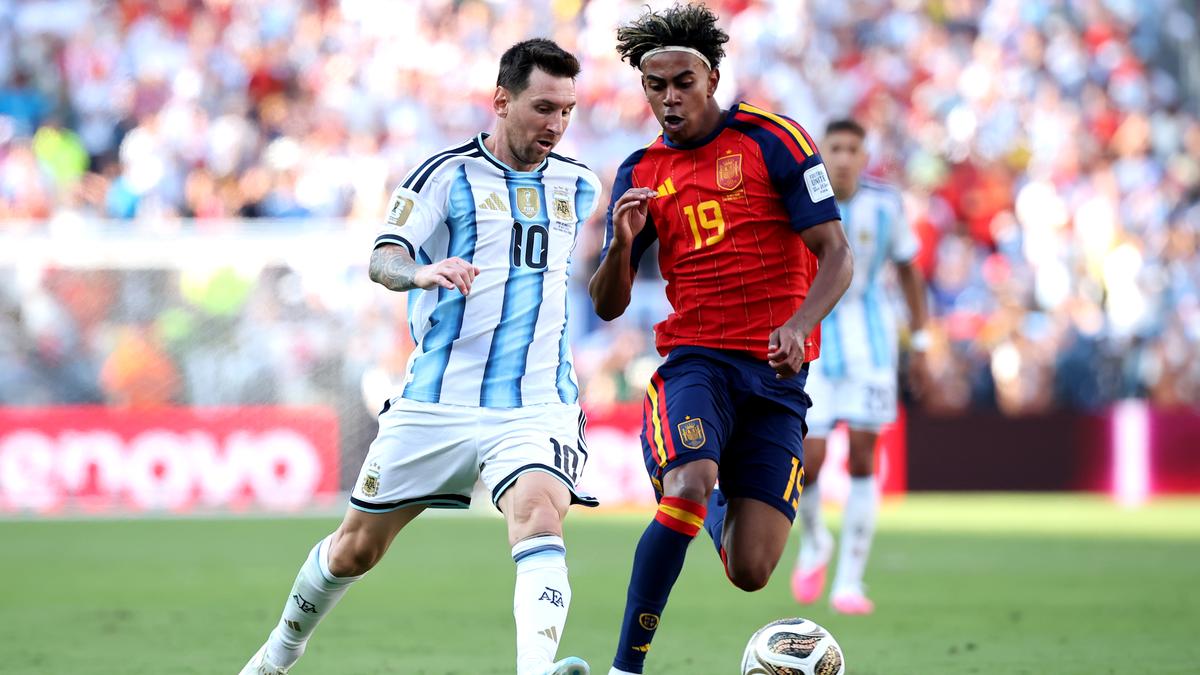
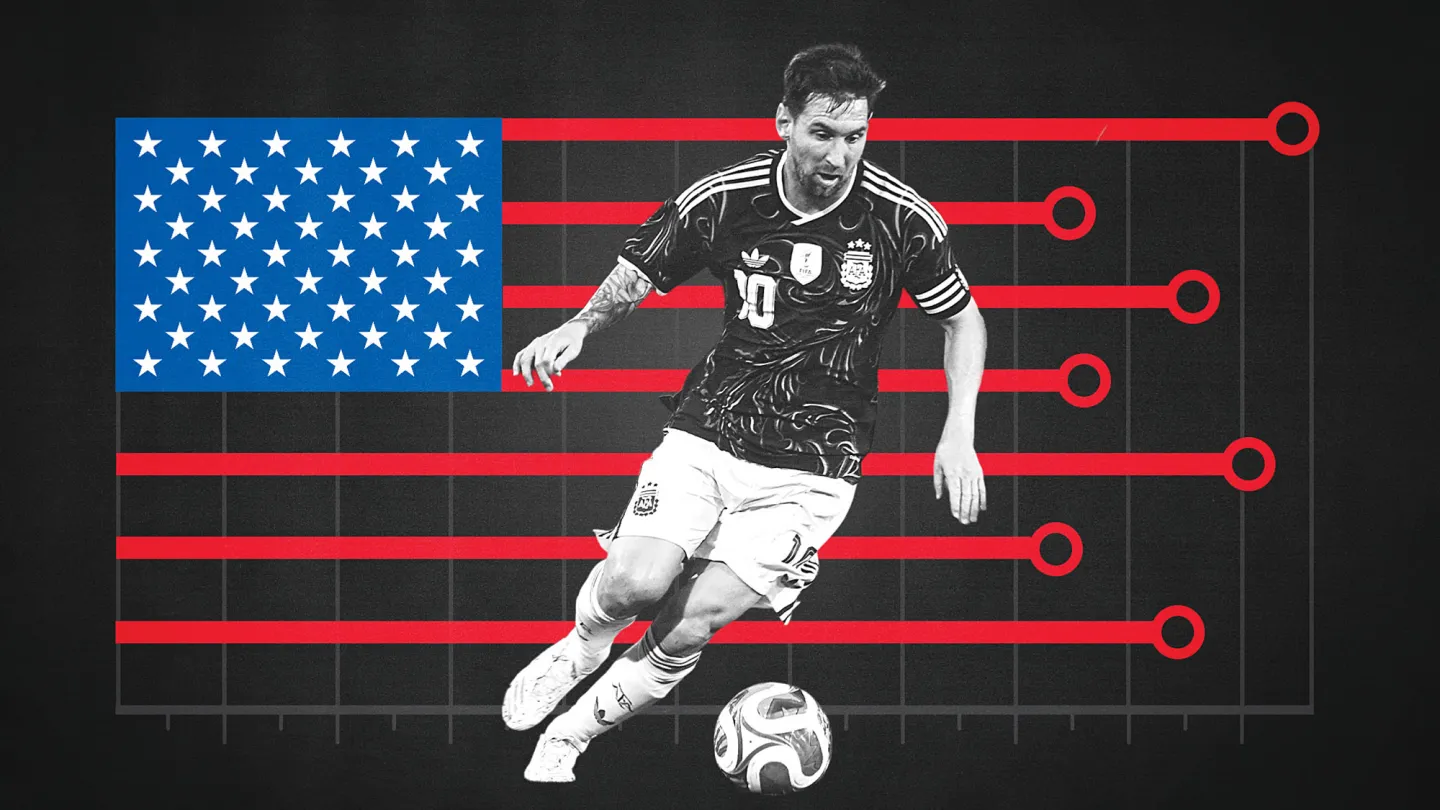
Yes, there are things we’ve come to expect from the World Cup: beer commercials (there’s Messi with Christian Pulisic!); snack ads (there’s Messi with Steve Carell!); merchandise on the shelves (there’s a hardware store display with Messi in a company-issued vest!); preening politicians (did anybody ask for New York’s bars to stay open til 4 a.m. for this?); and announcements of halftime show performers (ah, so that’s what the Coldplay guy does these days).
But as the tournament opens, all of it feels rote and bloated, like a list of big-event boxes to be checked off.
There’s a reason for this feeling. FIFA’s 2026 organizers, if you can call them that, have not put a foot right in the years and months leading up to the event. From the earliest days of the bidding for host city slots, red flags went up. Unlike past iterations, FIFA took over the organization and planning for the entire event, leaving the local organizing committees for each host city with little information to base decisions on and no room for negotiation—or even any clue as to what might be negotiable. A few cities opted out and don’t regret it.