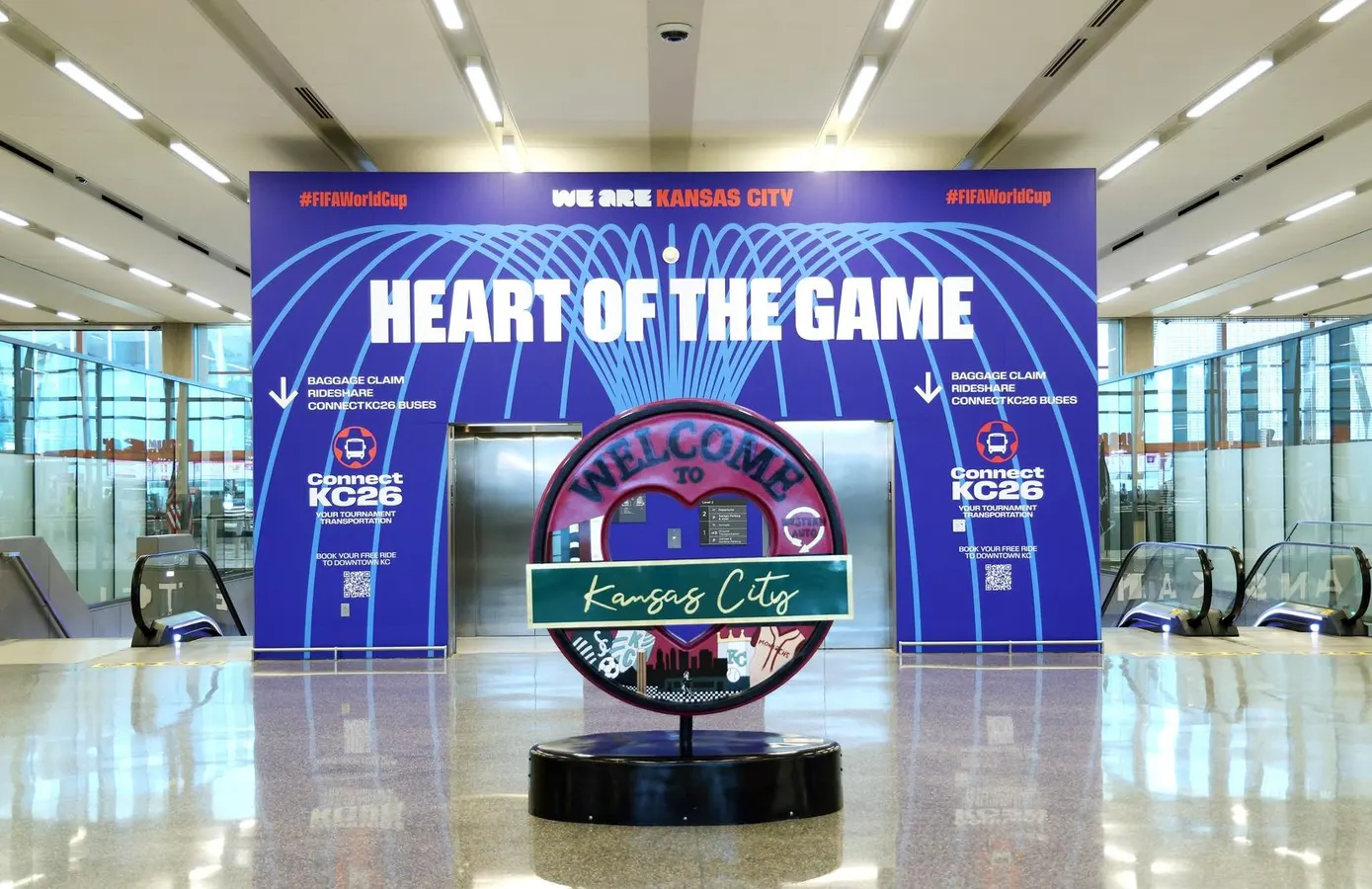
Nearly every bit of news that has slipped out about the World Cup has been bad or, at the very least, ominous. Ticket prices, more because of FIFA’s artificial supply control than a depth of demand, are absurd. Hotels that had anticipated record-breaking bookings are desperate for anyone to take a room. No one knows where Iran is going to train, or if they’ll be able to play at all. ICE may be showing up in the parking lot. After 30-plus years of waiting for the U.S. to host the World Cup again and secure its status as a soccer power, the vibes are downright rancid.
But I bet all heat cools — or at least simmers — once the games themselves start. (Eleven cities will see action, plus three in Mexico and two in Canada, from June 11 to July 19.) Partly that will be because of the games themselves: The World Cup is such an irresistible spectacle, and the matches are always so compelling, that once the ball is rolled out, fans have a tendency to focus on what’s happening on the pitch and ignore anything going on outside of it. But I suspect the real reason that the narrative will shift is something far more banal, corporate and American: It’s going to be a television ratings smash … and not entirely because of the soccer itself.