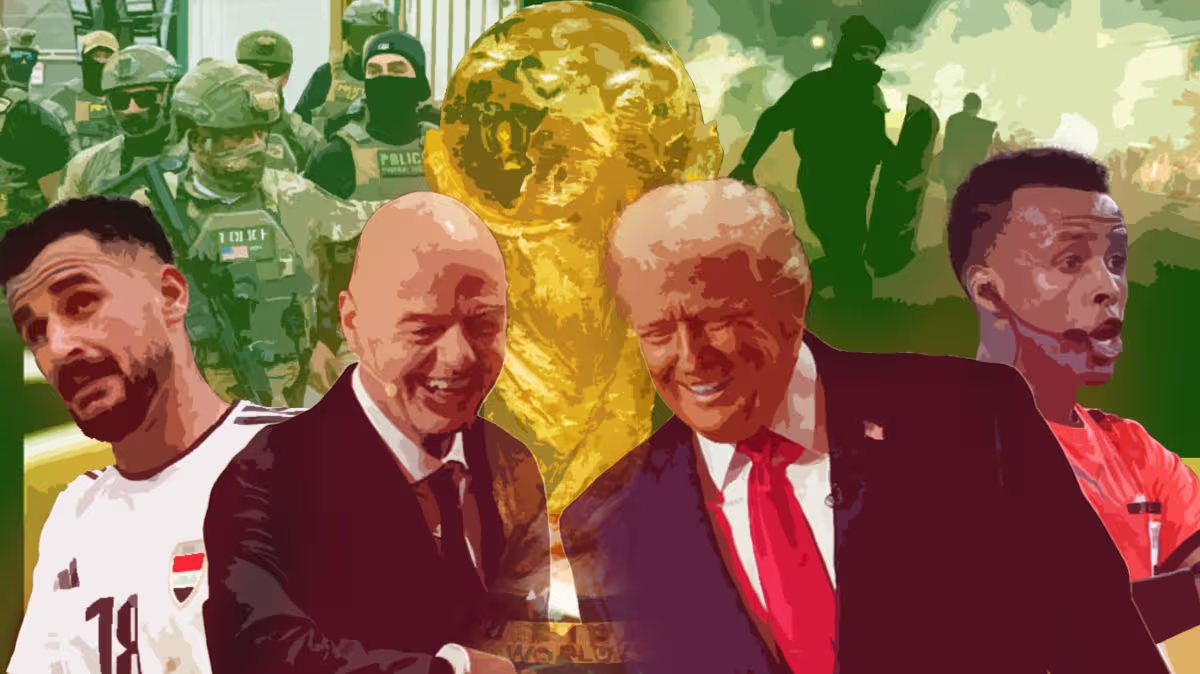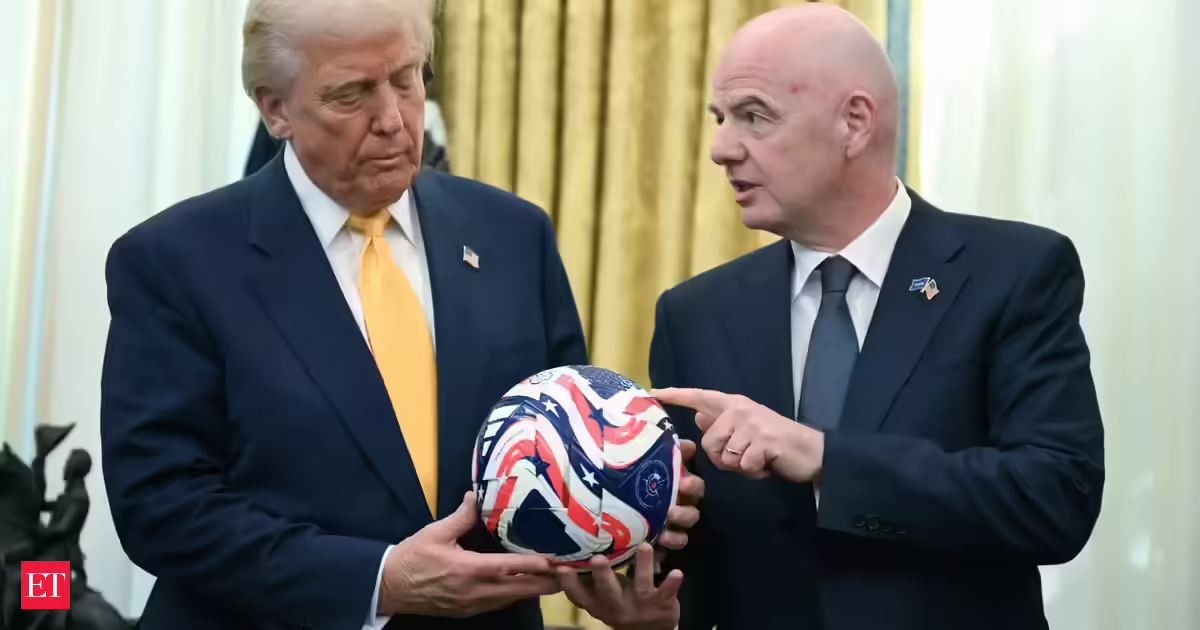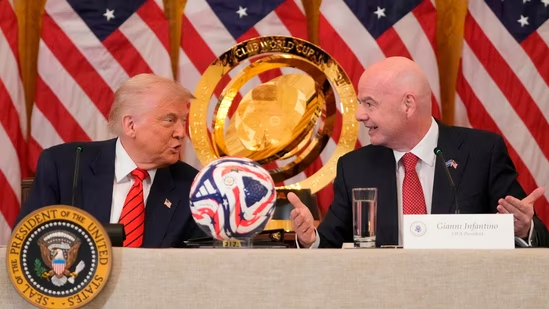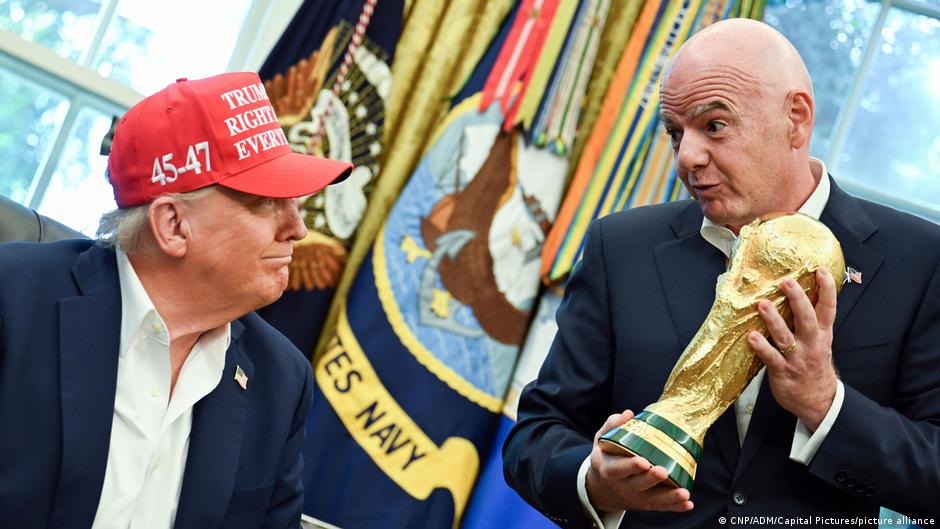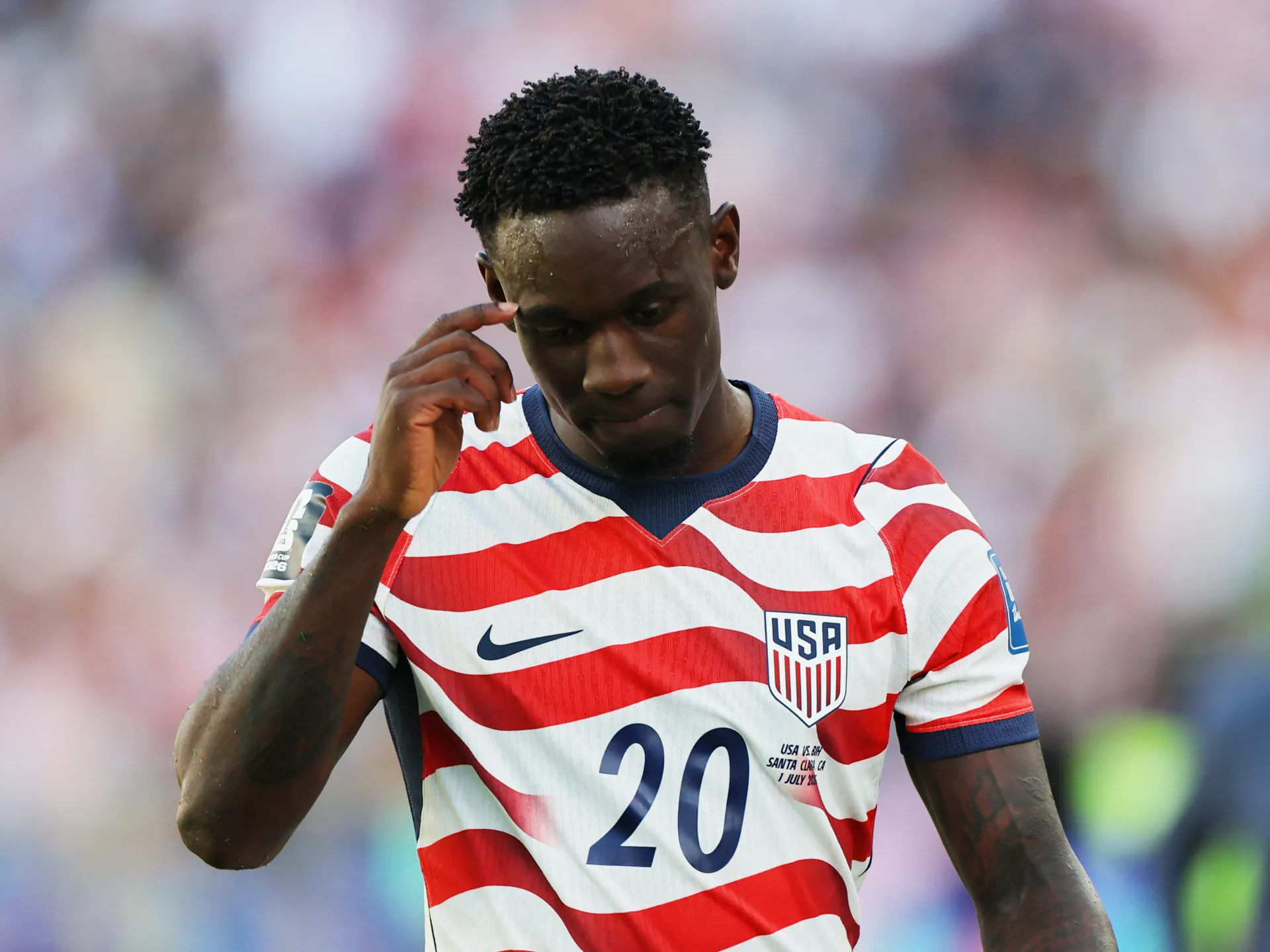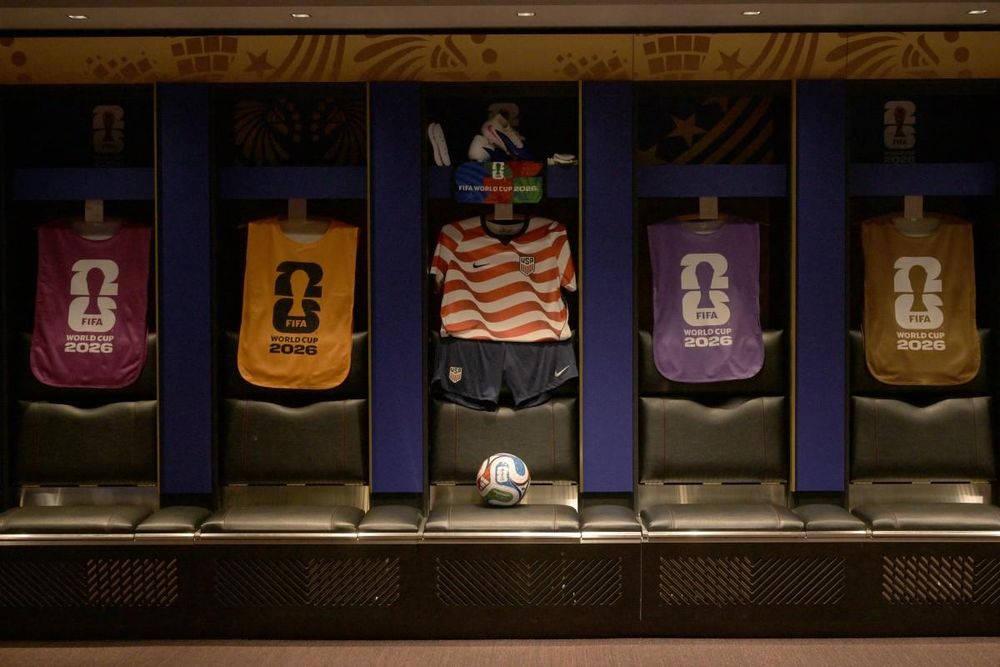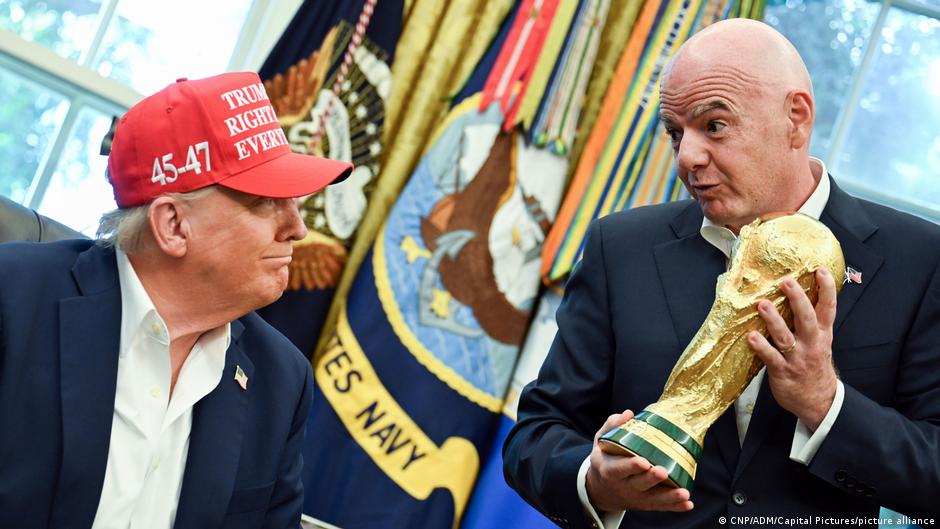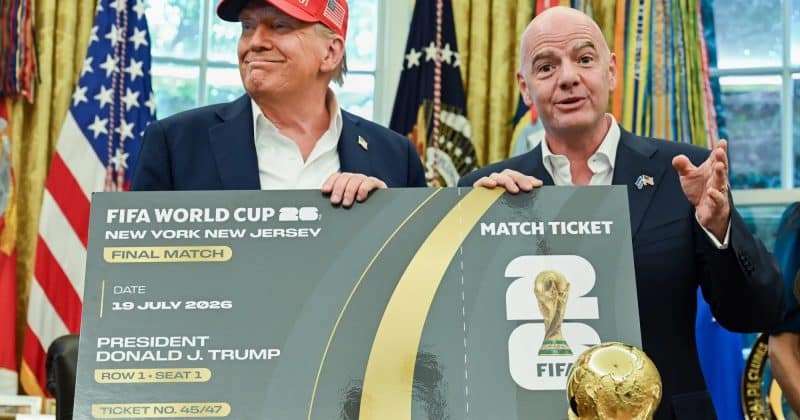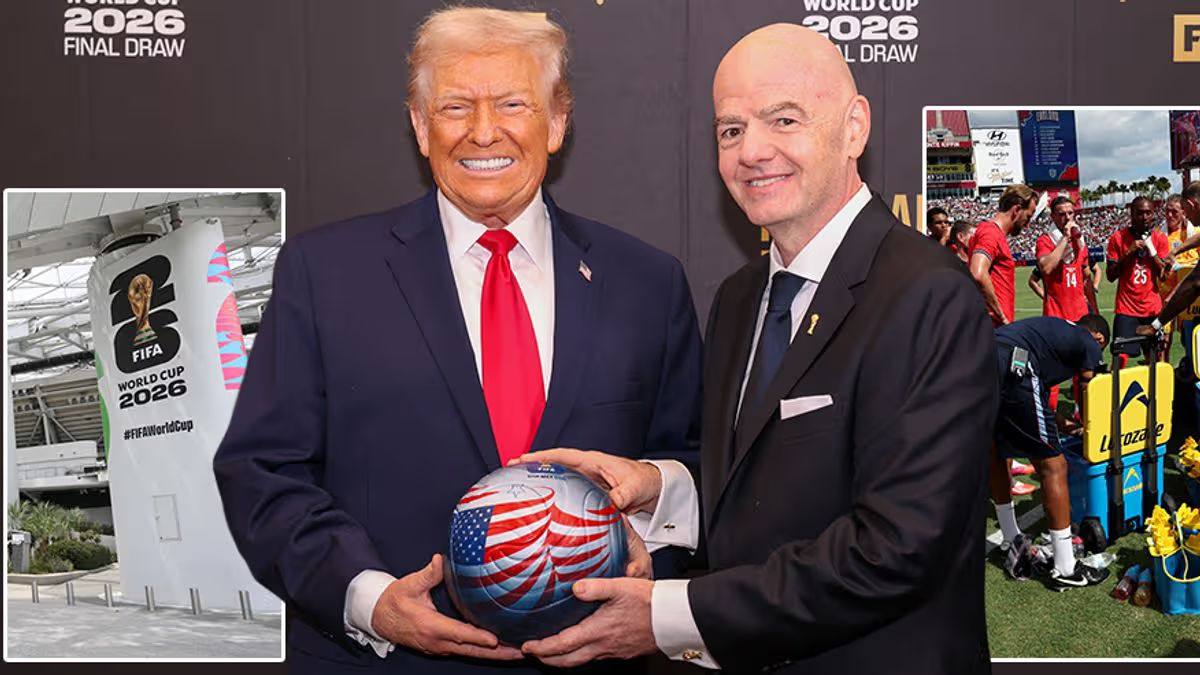
The World Cup hasn't even kicked off yet and, already, it is threatening to be overshadowed by off-field controversies.FIFA president Gianni Infantino has been performing his role of World Cup hype man over the past few months, claiming we're about to see “the greatest event that humanity has ever seen” and enjoy an "absolute party". But, unfortunately for him, the majority of the headlines in the build-up to the tournament have been negative ones.The 2022 World Cup in Qatar, which was moved from the summer to the winter, was mired with human rights issues around the migrant workers who made it possible and questions over the expense and environmental impact of its construction, set the high-water mark for controversy.Yet the 2026 tournament, which is hosted by the United States, Canada and Mexico and will take place between June 11 and July 19, has already shown that World Cups in the Infantino era are intrinsically linked with controversy. Here Mirror Football gives a rundown of the issues which have created the kind of build-up FIFA surely wanted to avoid.Get the latest World Cup 2026 news in your inbox with our Make Football Great Again newsletterIranThe first and most obvious issue arose when the United States and Israel decided to attack Iran on February 28. With Iran having qualified for the World Cup - and with all three of their group-stage matches scheduled to take place in the US - FIFA was faced with a brewing political crisis.Iran threatened to boycott the tournament after airstrikes killed their leader Ayatollah Khamenei. And after Italy were put forward as potential replacements, it was later suggested that Iran's matches could be moved at short notice to Mexico.Throughout, Infantino has stressed that Iran will play and that everything will be fine, while Trump issued a threatening statement, saying: "I really don't believe it is appropriate that they be there, for their own life and safety." The US President eventually gave his half-hearted blessing.Yet, with days to go until the tournament begins, the saga is still rumbling on, with Iran furious at what they've termed the “worst possible form of politically biased interference" after swathes of the team's backroom staff were denied visas. Iran have moved their training base from Arizona to Mexico and have accused the US of "discrimination" after being told their team must enter and leave the country on the same day as their matches.Trump and InfantinoThe two main characters were self-appointed long before the World Cup. Back in early December, Infantino awarded Trump with the inaugural FIFA Peace Prize in a bizarre ceremony. “This is what we want from a leader," Infantino said while handing over the golden trophy. "A leader that cares about the people. We want to live in a safe world, in a safe environment."The award was followed by an immediate backlash - and, months later, US airstrikes on Iran, which triggered a wider conflict in the Middle East.Both have continued to court ridicule for their comments in public appearances around the World Cup, with Infantino's reluctance to even engage with criticism around his decisions becoming increasingly frustrating. The 56-year-old bureaucrat has steadfast stuck to the party line without even showing a flicker of doubt.Ticket shamblesOne thing that Infantino has certainly been behind is FIFA's sky-rocketing profits. World football's governing body is predicted to make $13billion (£9.6bn) in the four-year cycle up to 2026 - an increase of 72 per cent on the previous cycle. The reasons behind such an exponential increase were obvious when tickets for the World Cup were released.Put simply, they are staggeringly expensive - and have become a barrier for many fans, who cannot afford to attend the tournament. FIFA's 'dynamic pricing' structure has cashed in on demand for the more popular games and sparked an almighty backlash.Although FIFA did roll back some prices following a backlash, Infantino has stuck to his guns, even defending a $2million (£1.47m) ticket that appeared on the resale market. But an official investigation has been launched by the attorney generals for New York and New Jersey into accusations that fans were misled over tickets or sold tickets for the wrong category.Asked about the $1,000 (£736) tickets for the USA's first match, Trump said: "I would certainly like to be there, but I wouldn't pay it either, to be honest with you."Accommodation, travel and food and drink costs are also prohibitively high in the United States, creating a bitter taste in the mouth for those who are making the trip to watch their team play this summer.Extreme heatIf supporters were unsure about the impact of heat on the World Cup, England's friendly win over New Zealand in Tampa on Saturday made it obvious. Played under the mid-afternoon sun in Florida, the players were subjected to 32°C heat and stifling humidity.Thomas Tuchel is hoping that by acclimatising his players, they will be able to cope better when the tournament starts. But even preparing as best they can, using technology and sports science, the weather conditions will be the single biggest factor in shaping the World Cup.A group of experts have been so dismayed by FIFA's approach to dealing with the issue that they wrote a letter imploring them to take it more seriously. Fourteen of the 16 venues are expected to exceed limits which could be dangerous to players.Professor Mike Tipton has outlined his concerns to Mirror Football, which include heat exhaustion and hypothermia on the extreme end of the scale, but also less intense and less entertaining football on the other end of the scale.FIFA has tried to avoid the hottest parts of the day in problem venues and brought in mandatory drinks breaks in each half, as well as other measures, but experts believe that there could be worrying incidents around the corner.Environmental impactThis World Cup will be the most polluting of all time by some distance, with experts predicting it will generate over nine million tonnes of carbon dioxide equivalent (MtCO2e).The distance between the venues, which are spread all over North America, has made air travel - the most polluting method - the only real option. Meanwhile, the increase from 32 teams to 48 and from 64 matches to 108 has pushed things further upwards.Meanwhile, FIFA's decision to partner with Aramco, the Saudi Arabian state oil company, gives a sponsorship platform to an entity which is the third highest carbon-producing entity in history, behind only the former Soviet Union and China Coal, according to think-tank InfluenceMap.Join our new WhatsApp community and receive your daily dose of Mirror Football content. We also treat our community members to special offers, promotions, and adverts from us and our partners. If you don't like our community, you can check out any time you like. If you're curious, you can read our Privacy Notice.
Politics, tickets and heat - the controversies that could derail the World Cup
The 2026 World Cup is the biggest yet, held across three countries in North America, but it has already made headlines for all the wrong reasons before kicking off
1,130 words~5 min read