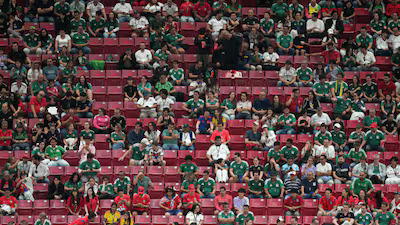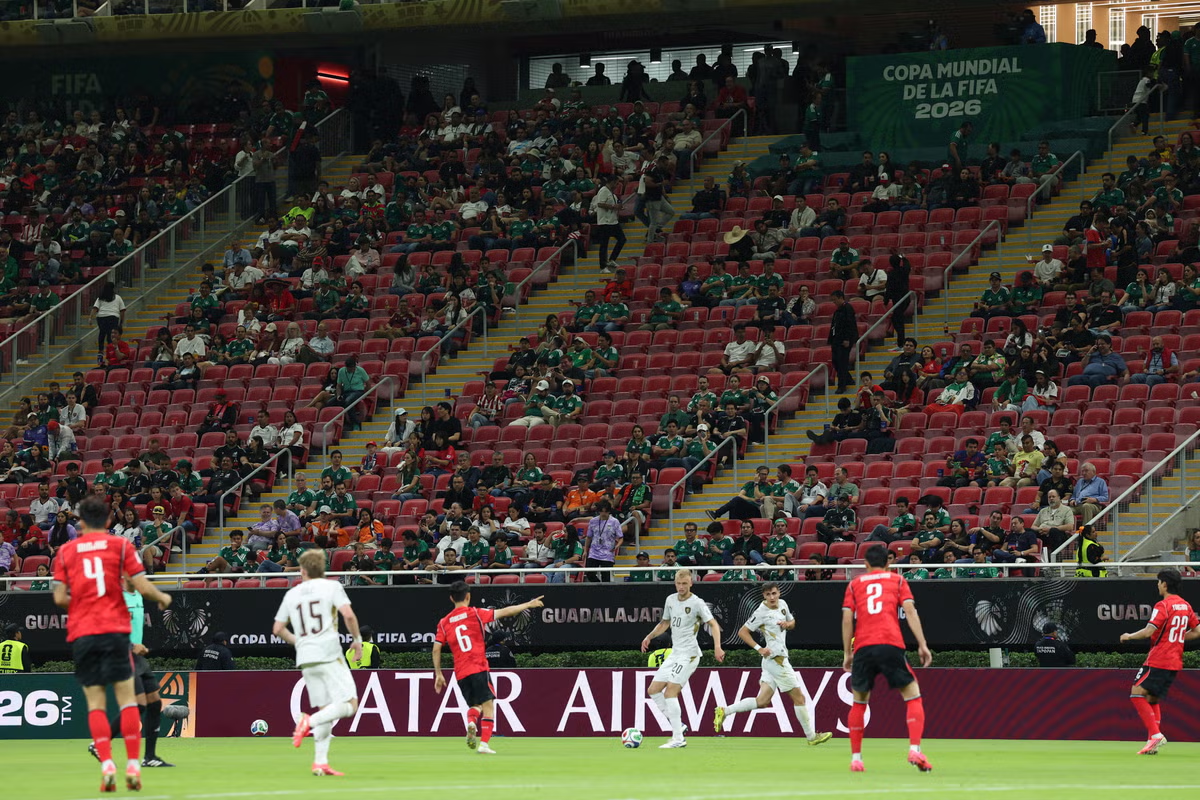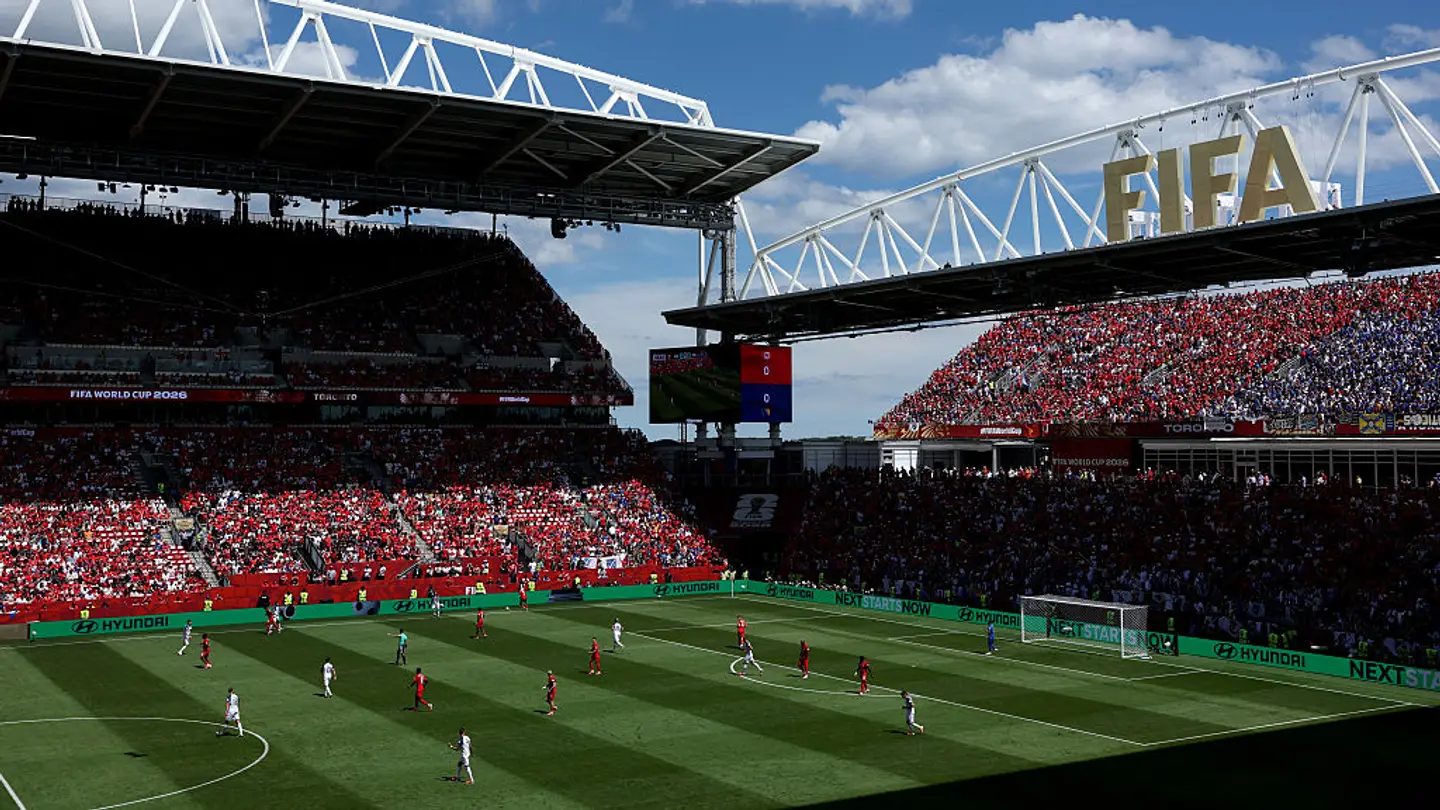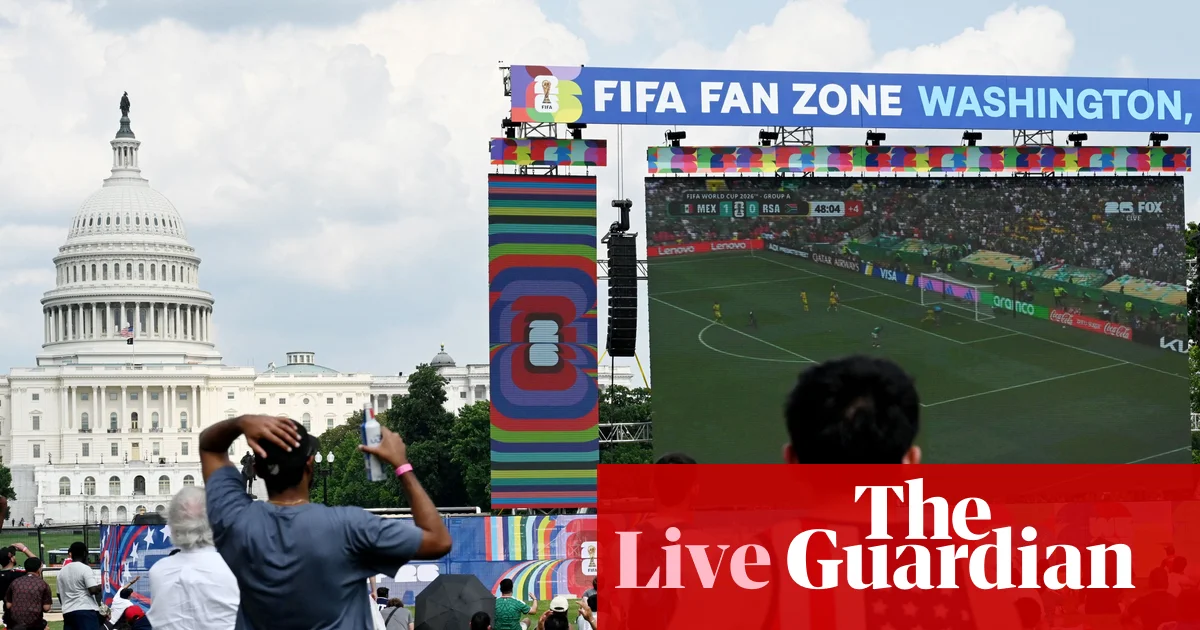
All the concerns about this World Cup, spanning extreme heat to transportation headaches and record ticket prices, failed to tarnish the opening days of the tournament.There were few reports of major problems. The positivity was also helped by the three host nations playing well, with Mexico and the US winning in dominant fashion and Canada earning a draw.Also Read: One seat at FIFA World Cup 2026 equals almost 20 months’ income for an average Indian“We are here enjoying the emotion of a country in one heart,” said 44-year-old Josue Ortega Ramirez in Mexico City as fans flooded the capital’s streets during a thundering rain after a 2-0 victory over South Africa on Thursday in the tournament’s opener. “This is something that excites us all, where social classes and differences do not exist.”But it wasn’t all good vibes. There were numerous empty seats for Qatar’s draw with Switzerland, backing worries that high ticket prices had hurt demand. As the match continued, more spaces opened up in the stands. In Guadalajara, where South Korea beat the Czech Republic, there were large sections of empty seats in the hospitality areas.The threat of aggressive immigration enforcement by US officials has hung over the World Cup. Maria Price waved a big Mexican flag during a Thursday watch party in downtown Los Angeles. Price, a Mexico native and now a US citizen, said turnout was light because many Mexican-Americans in the area are still living in fear since last year’s crackdown on immigrants by the Trump administration, which deployed federal agents supported by thousands of US troops to the city.“Other years it’d be packed here,” Price said. “People are afraid to come out.”Also Read: Germany, France, Argentina and... This strategist who doesn't go wrong makes a shocking predictionMore Teams, More FansFor this World Cup, tournament organizer FIFA expanded to 48 teams from 32, which added 40 matches. Critics say the move watered down the field and served as another example of FIFA’s push to boost revenue at all costs.But it meant a lot for fans of national teams that have missed several World Cups in a row.I Love Paraguay, one of the few restaurants in New York serving cuisine from the small South American country, has become a gathering spot for the diaspora. During Friday night’s match with the US, fans packed the tables and even sat on the floor for the nation’s first World Cup match in 16 years.“I have goosebumps just being here,” said Mirian Cáceres, a 60-year-old who flew to New York from her home in Paraguay’s capital, Asunción, to spend three weeks visiting her sister and watching matches. She doesn’t have plans to catch any games in person because she just wanted to be near the action. “I came to see it up close.”Haiti’s World Cup drought was even longer, dating back to 1974. The team overcame long odds, with the country immersed in dysfunction and violence. It hadn’t played a home game since 2021, and the team rarely practiced together.Also Read: World Cup kicks off after high ticket prices, visa issues dog buildupIn a Brooklyn neighborhood known as Little Haiti, fans filled eateries and bars to catch a glimpse of their team’s 1-0 loss to Scotland, which hadn’t made the World Cup since 1998. At BunNan, servers delivered plates of sweet plantains and jerk chicken to a packed restaurant.“As much as we are a restaurant, we are a community hub,” said Nadege Fleurimond, owner of BunNan. “It’s all about the culture, the people, so it was a no-brainer that we would host a watch party.”Getting to New JerseyHow transportation to matches would go was a major storyline coming into the World Cup. A Bloomberg reporter traveled via train to MetLife stadium in New Jersey from Manhattan for Brazil’s draw with Morocco without incident — even though it did cost $98.Ayoob Musanovic, a recent graduate of Western Connecticut University and Morocco fan, said his travel to the match went fine. He took an Amtrak train to Manhattan and then a $20 shuttle to the match. But he did complain about paying $1,700 for a ticket.“This is what it is with capitalism,” Musanovic said. “But we’re here now regardless. We’re going to get behind the country.”The exorbitant ticket prices for this World Cup raised doubts about how packed the stadiums would be in the group stages. Critics have said FIFA set initial prices too high, which only pushed them higher on resale platforms.Many fans joined in on the criticism, but in the end were willing to pay up because it means a lot to them.Hyunki Jo, 26, dished out $5,000 for his trip to Mexico to see South Korea play. Dressed in his red national team jersey and waving his country’s flag, he laughed and took pictures with Mexico fans. The countries have an unlikely bond that traces back to 2018 when South Korea stunned Germany in the World Cup to help Mexico advance to the knockout stage.“In the end, I don’t think it was that expensive,” he said. “I really wanted to come here and be at a World Cup.”In Toronto on Friday, Joshua Mathias and Binoy Dalmeida came straight from work to BMO Field. But they didn’t buy tickets because they were too expensive. The friends, who grew up in India, instead huddled in the shade outside the stadium and streamed Canada’s match on a phone while kitted out in the host nation’s red and white colors.“We thought at least we can come outside and get that aura of watching a World Cup match,” Dalmedia said.
FIFA World Cup 2026: Visa woes, high ticket prices, empty seats but a smooth start
FIFA World Cup 2026: Despite concerns over heat, transportation, and high ticket prices, the World Cup's opening days saw enthusiastic fan engagement, particularly with host nations performing well. However, empty seats at some matches and fears over immigration enforcement cast a shadow, while expanded tournament format offered opportunities for long-absent teams.
925 words~4 min read