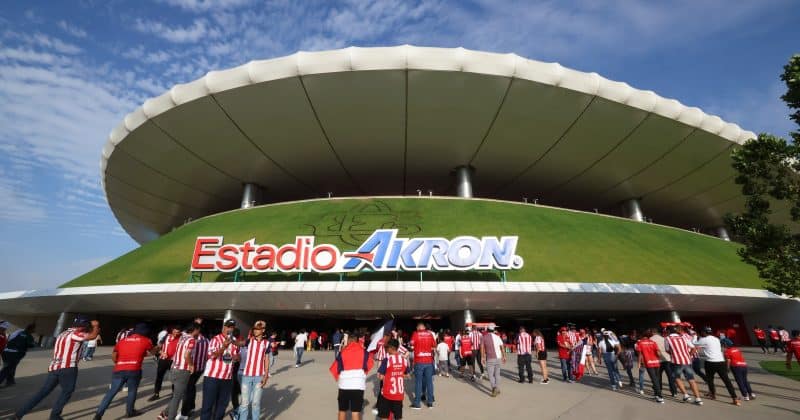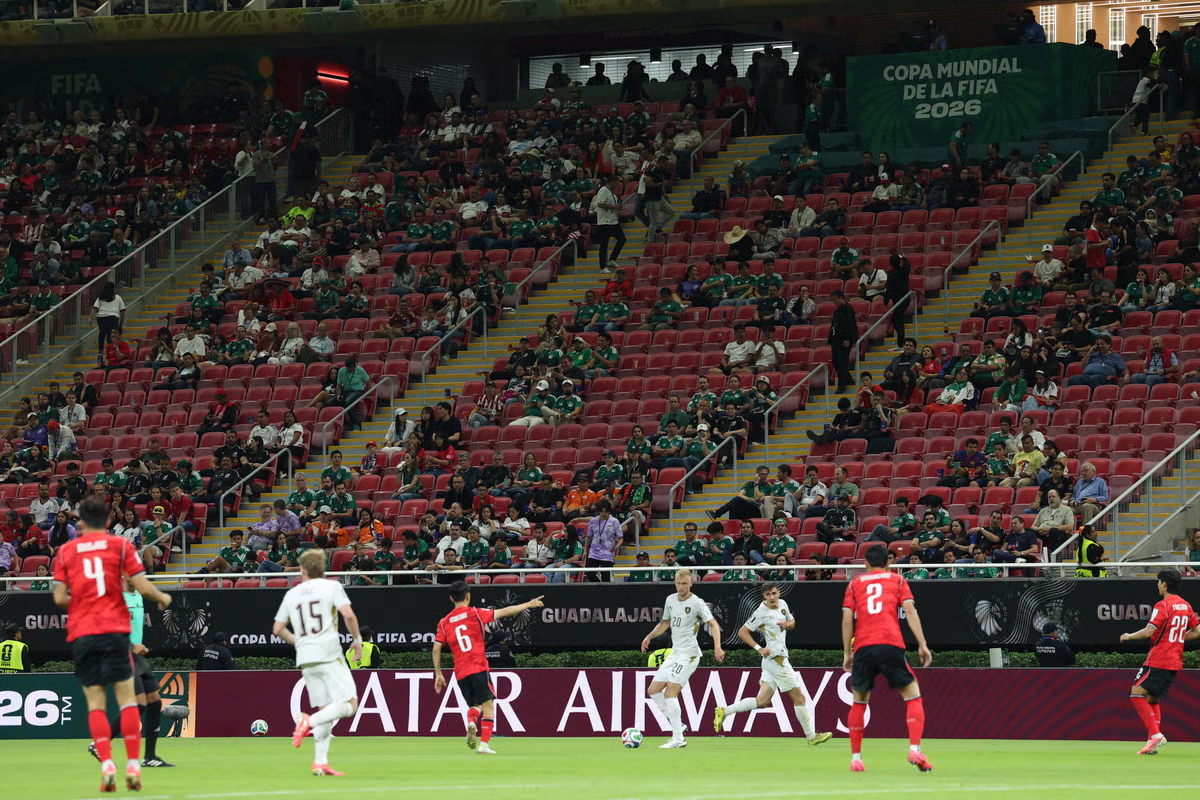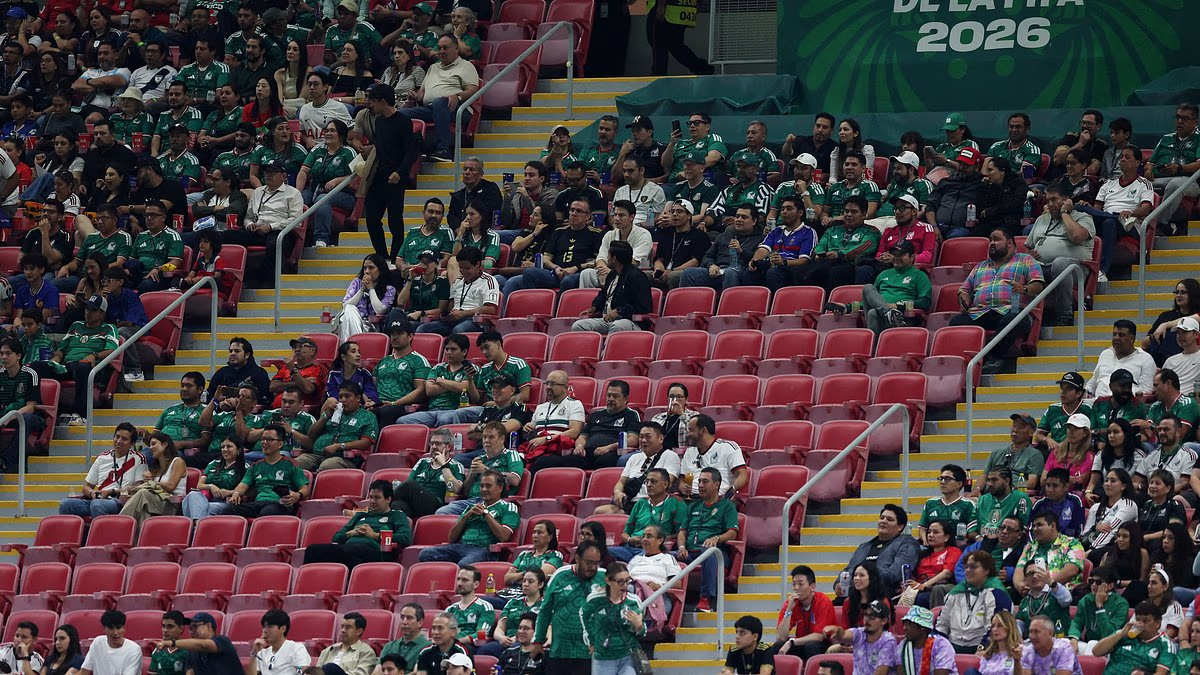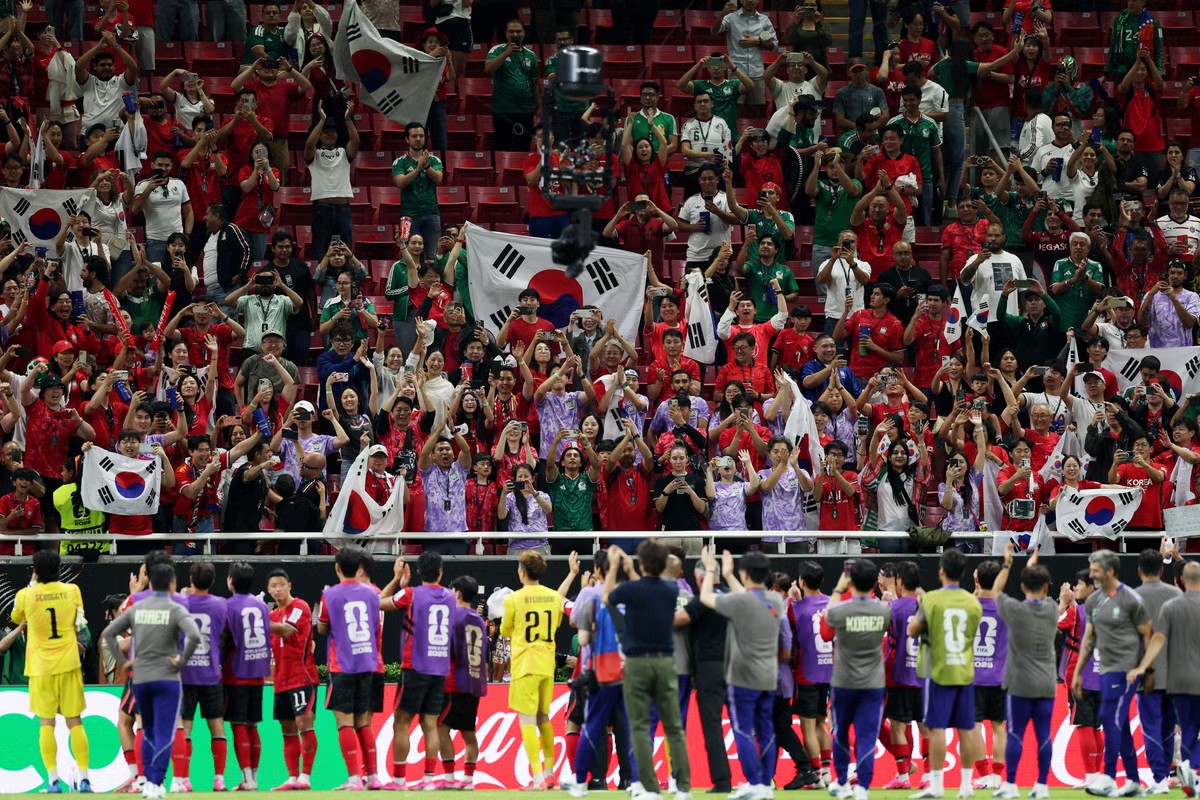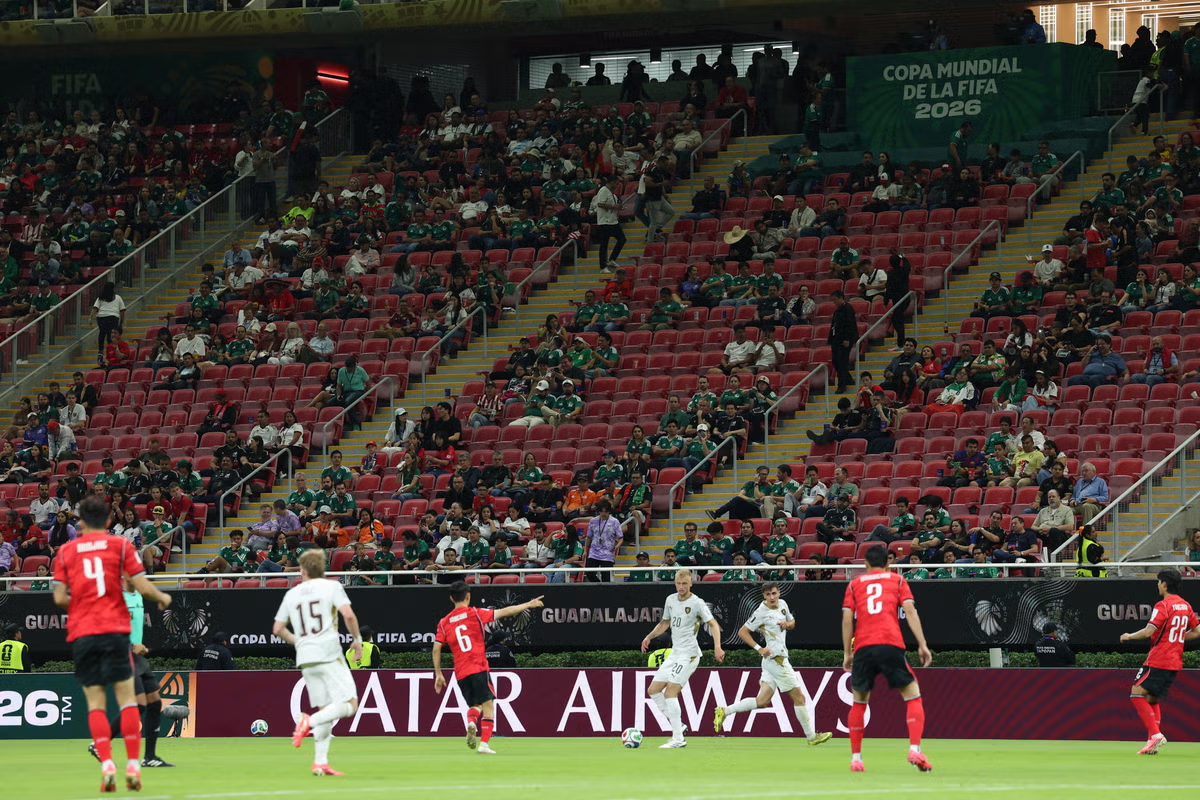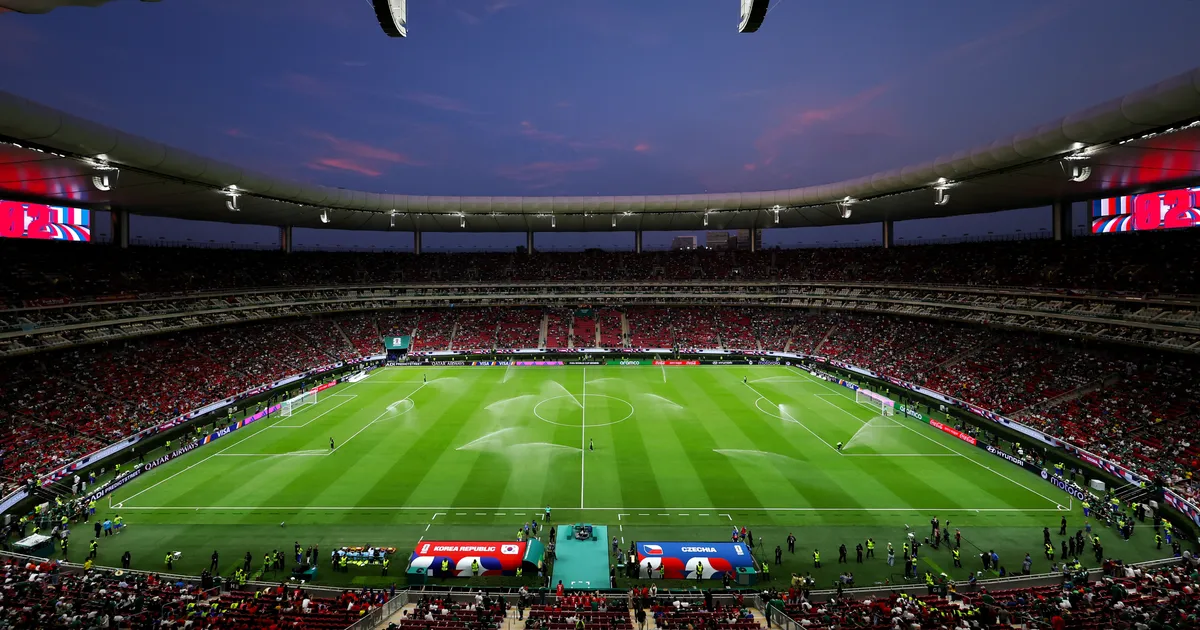
FIFA’s dynamic pricing model for tickets backfired on day one of the 2026 World Cup after a mass of empty seats were spotted at the Estadio Akron during South Korea vs. Czechia.Exorbitant ticket prices for this summer’s event have dominated the discourse pre-tournament and the discussion will rage on as the competition progresses, especially after what was witnessed in Mexico. While the opening match between Mexico and South Africa at the 87,000-seater Estadio Azteca was packed to the rafters, South Korea’s subsequent 2–1 win over Czechia appeared far less populated. Despite the official attendance reading 44,985 at the 45,664-capacity Estadio Akron, empty red seats were prevalent across the arena, but particularly in the center of the east stand and near the pitchside VIP section. There were plenty of empty seats at the Estadio Akron. | Luis Cano/Jam Media/Getty ImagesThe official attendance at the Estadio Akron was 44,985. | Molly Darlington/Getty ImagesThe Telegraph report tickets in the most affected areas generally ranged between $400 and $5000, hinting at the eye-watering prices being responsible for the vacant seats. FIFA has faced widespread criticism for the dynamic pricing model employed for ticketing in North America, with demand effectively deciding how much a seat at one of the tournament’s matches costs. For one person to attend a game in each of the eight rounds, it’s likely to set them back an extraordinary $5,225. World soccer’s governing body has been accused of “artificially inflating prices” by the attorneys general of New York and New Jersey—claims they have vehemently denied. Despite FIFA president Gianni Infantino insisting that every World Cup match is sold out, tickets are still readily available at a range of different prices, especially for less desirable fixtures. Gianni Infantino Defends Ticket PricesInfantino continued to blindly defend the pricing system on Wednesday. | Carl Recine/Getty ImagesDuring his pre-tournament press conference on Wednesday, Infantino refused to back down when quizzed about high ticket prices, insisting the variable pricing model prevents secondary markets benefitting from cheap tickets. “If you sell it at a lower price point, in this particular market it would have gone—which is perfectly legal in this country—in secondary markets at much, much, much higher prices and where would the money go then?” Infantino said. “Well, to those who organize secondary markets or black market activities and not to football.“Every dollar that comes in goes back to the development of football. We have one competition every four years. The 47 other months out of the 48, we are investing this revenue in growth. Nobody else is doing that.”No such problems are expected when co-hosts Canada and United States take to the field on Friday for their respective group games against Bosnia and Herzegovina and Paraguay. But all eyes will be on Switzerland’s clash with Qatar on Saturday, as well as Haiti’s clash with Norway and Australia’s meeting with Türkiye.READ THE LATEST WORLD CUP NEWS, ANALYSIS AND INSIGHT FROM SI FCAdd us as a preferred source on GoogleFollow
FIFA’s Worst Nightmare Comes True on Day One of 2026 World Cup
Prohibitive ticket prices have been at the center of controversies surrounding the World Cup.
493 words~2 min read