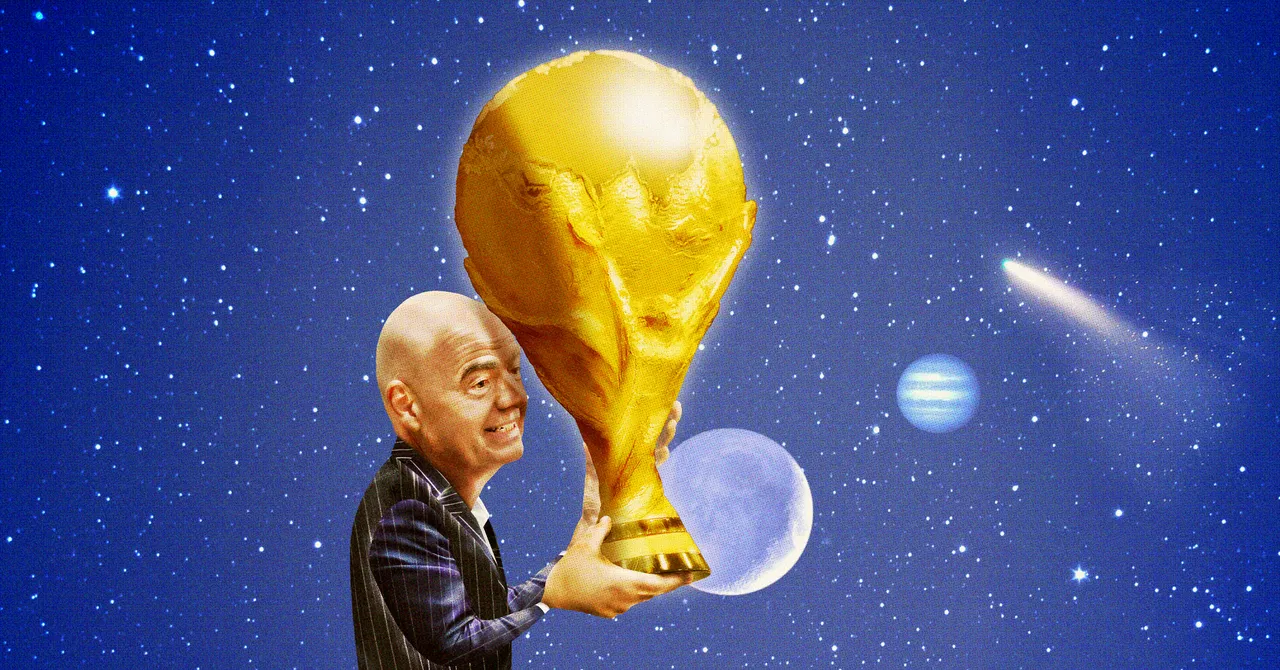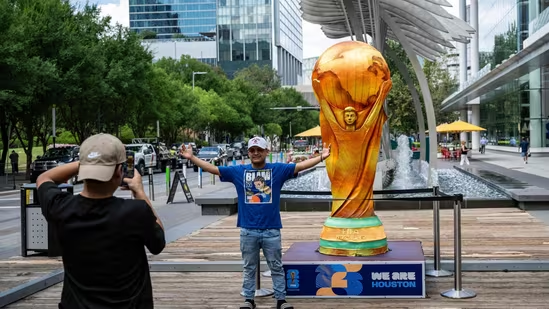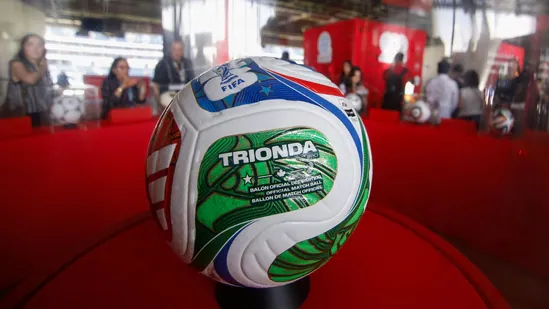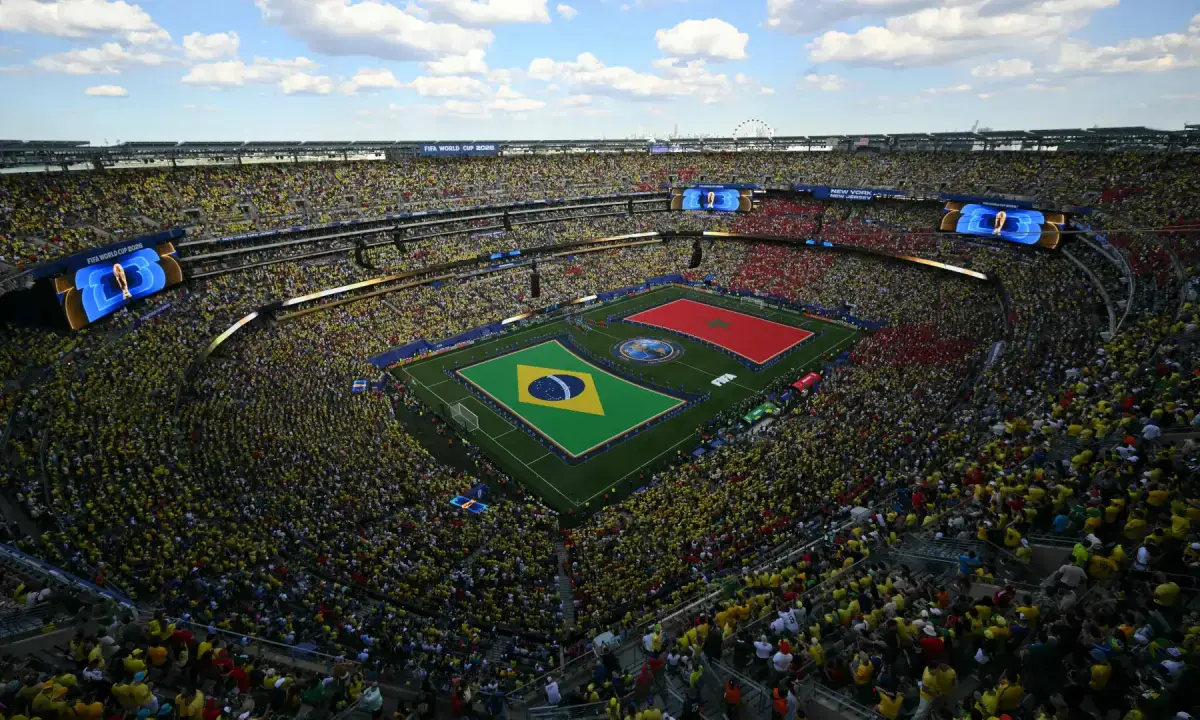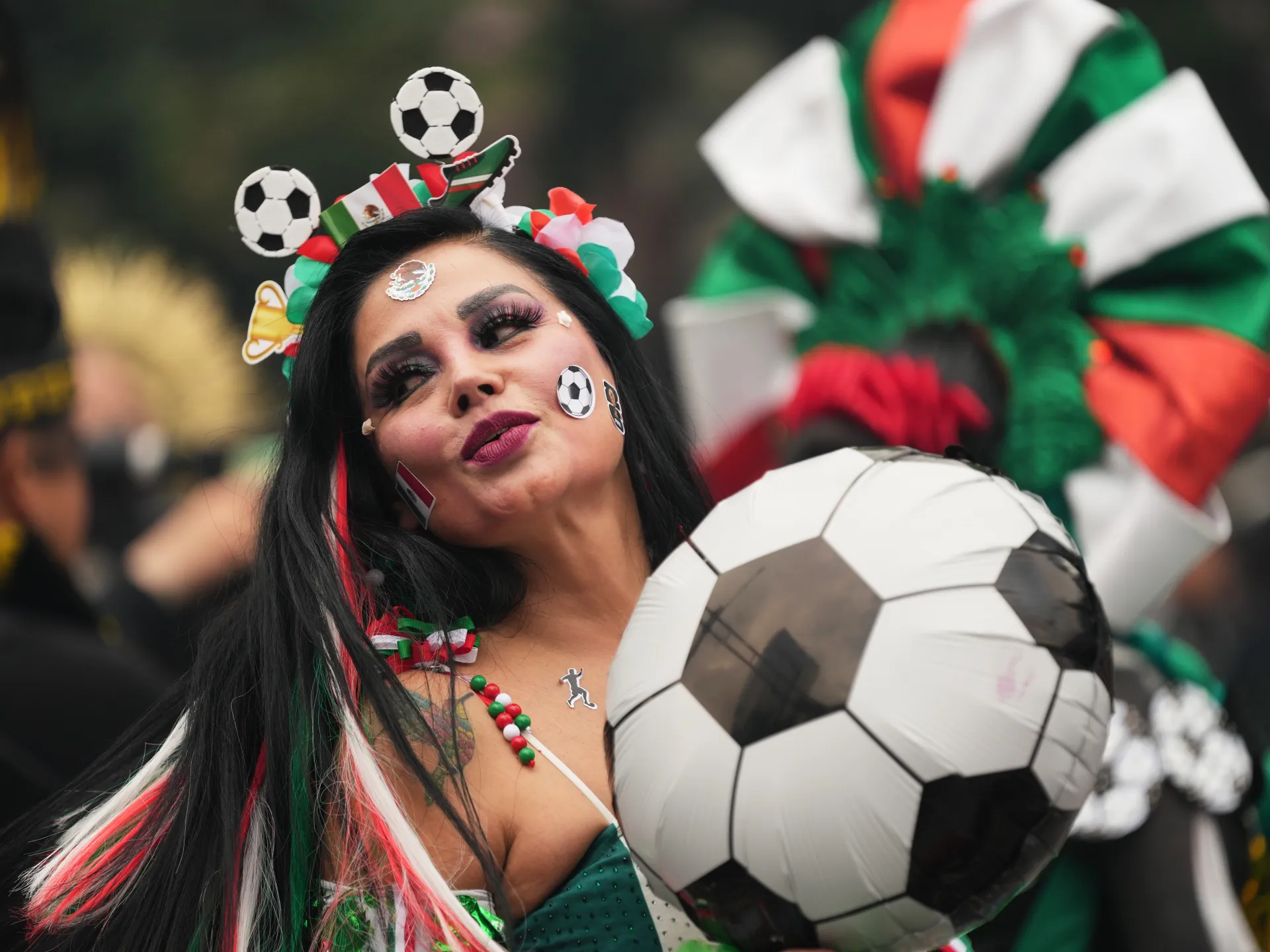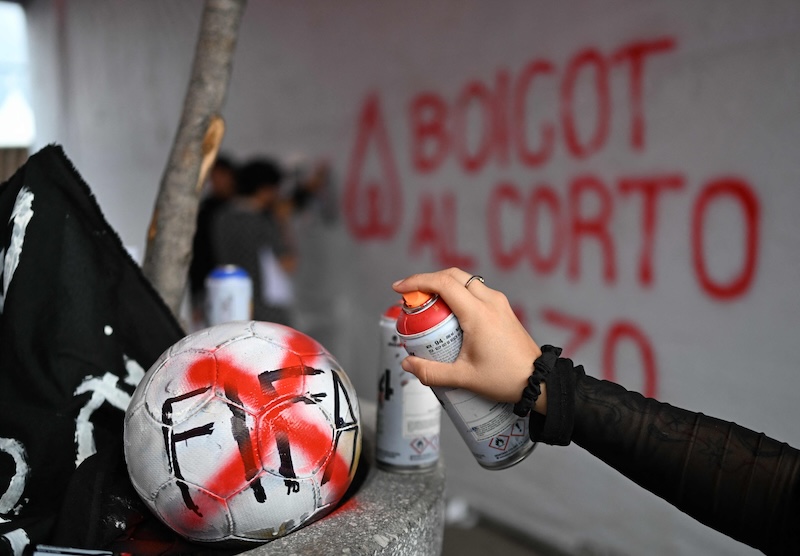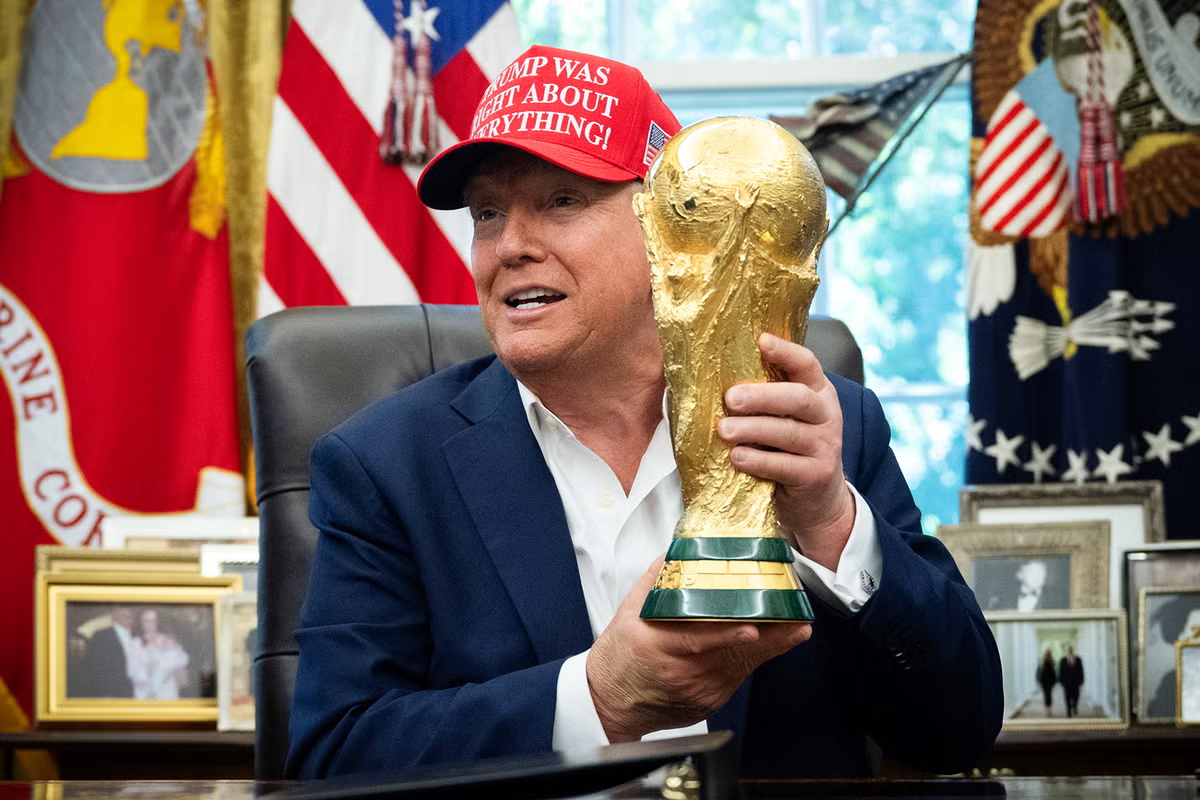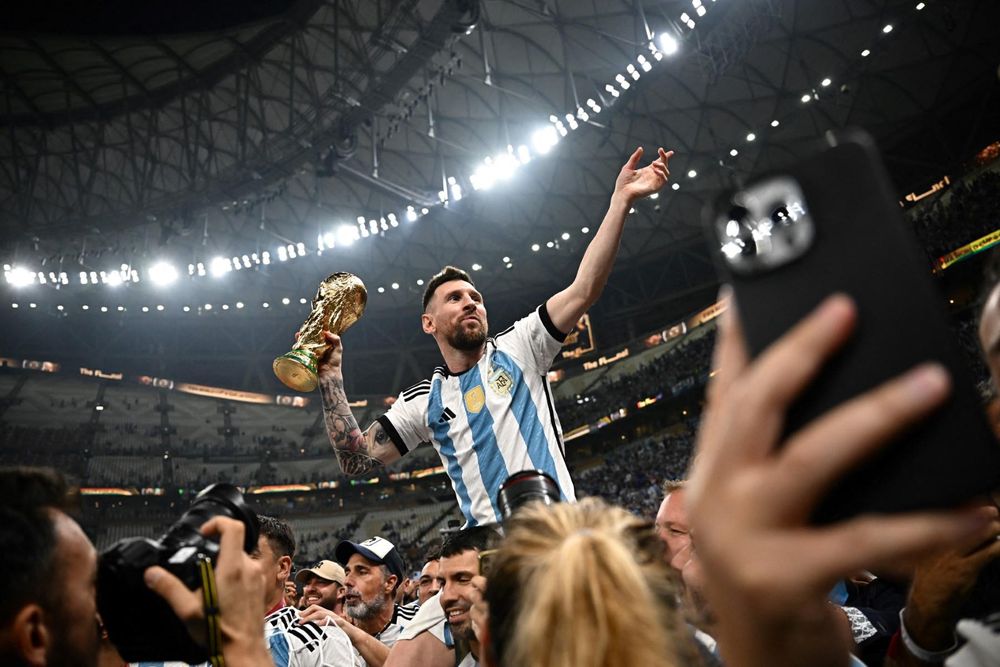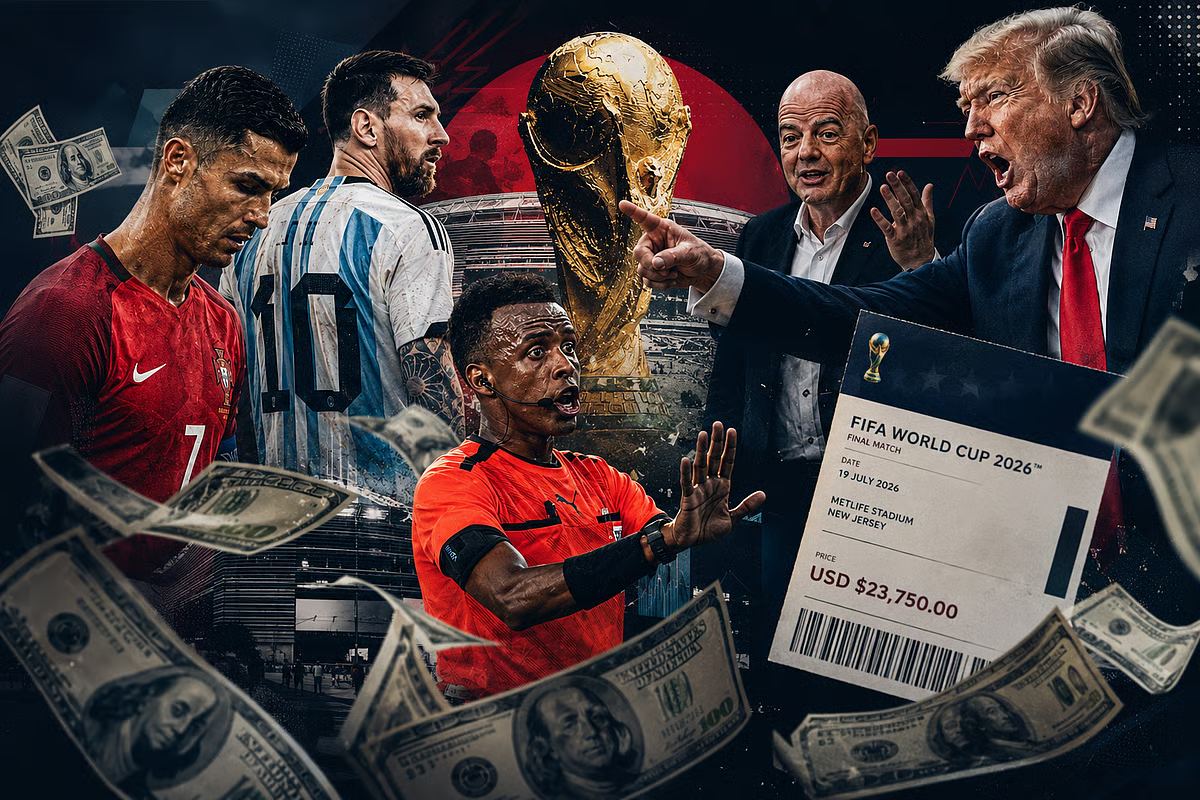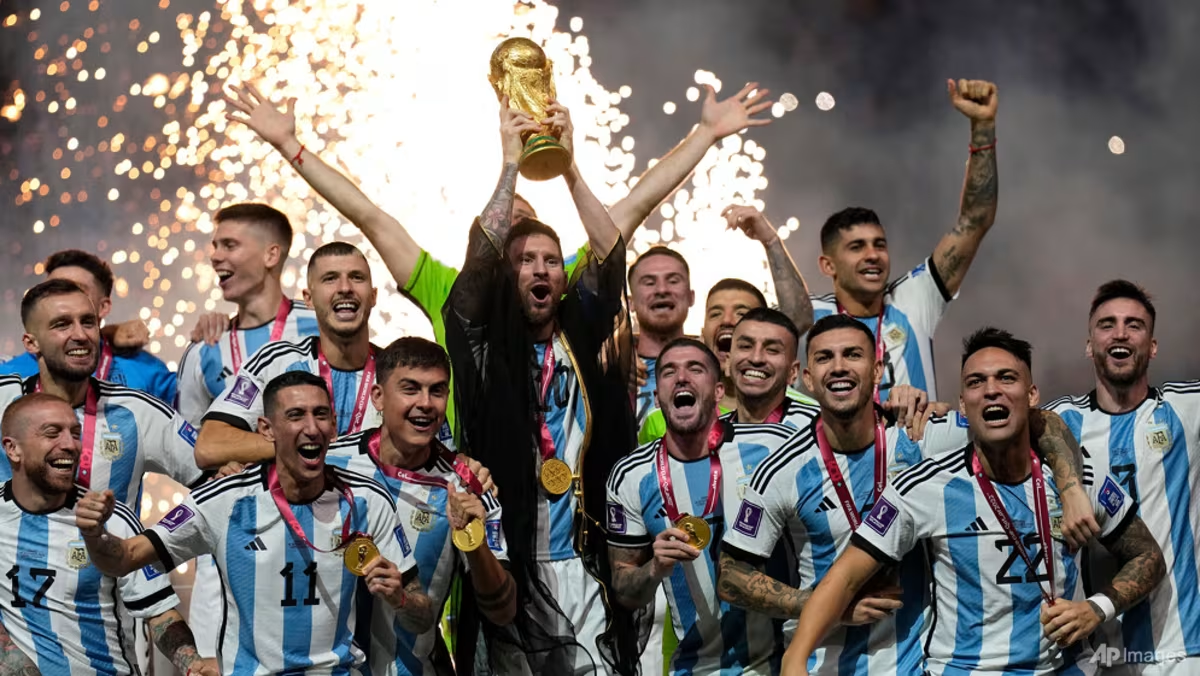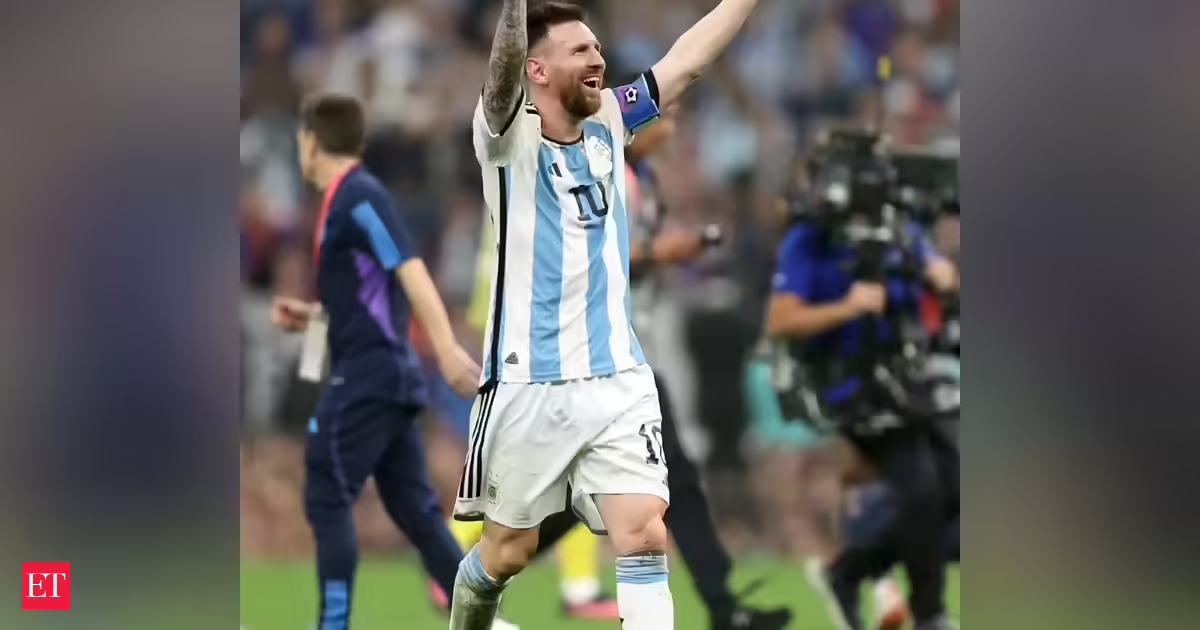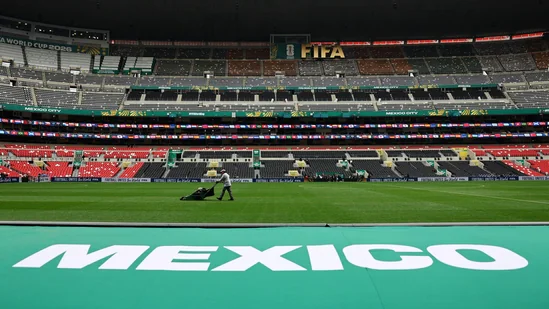
The 2026 FIFA World Cup arrives bigger, louder and more complicated than anything football has ever staged. Here's what you need to know. The biggest World Cup in history is upon us. Come Thursday (IST), the 2026 FIFA World Cup will kick off at the Estadio Azteca in Mexico City. And before a ball has even been kicked, the tournament has already generated enough drama, controversy and expectation to command global attention, more often for reasons beyond football itself.General view as workers prepare the pitch ahead of the match (REUTERS)Forty-eight nations. Three host countries. One hundred and four matches. Thirty-nine days. And a world that is simultaneously more football-mad and more politically fractured than ever before.When Mexico face South Africa in a repeat of the 2010 World Cup opener on June 11 at the Azteca, a stadium becoming the first to host World Cup matches across three different editions, it will mark the beginning of a tournament unlike anything football has staged before. The final, scheduled for July 19 at MetLife Stadium in New Jersey, carries a record $50 million winner's prize. But as always, the true stakes extend far beyond money.The beautiful game in a complicated worldIt would be convenient to keep football and politics separate. World Cups rarely allow that luxury.From Benito Mussolini's Italy using the 1934 World Cup as a political tool to the tension surrounding Argentina and England in the years following the Falklands conflict, football's grandest tournament has often mirrored the world around it.The 2026 edition is no different.The ongoing diplomatic tensions between the United States and Iran have cast a shadow over the tournament for months. Iran's football federation publicly explored the possibility of playing its matches in Mexico amid concerns over travel, security and visa access.ALSO READ: Lionel Messi caught in major data leak as passport details exposed at FIFA World Cup warm-up gameMexico President Claudia Sheinbaum welcomed the idea, but FIFA president Gianni Infantino rejected any relocation proposal following a visit to Iran's training camp in March, reiterating that football's role is to "bring people together."The tensions resurfaced this week when Iran's federation accused tournament organisers of restricting ticket allocations for Iranian supporters. Reports have also suggested that several Iranian officials and staff members were denied visas, forcing logistical complications that have seen Iran establish a training base in Tijuana, Mexico.The problems have extended beyond Iran. Somalia referee Omar Artan, who was poised to become the first Somali official at a World Cup, was reportedly denied entry despite holding tournament credentials. Iraq striker Aymen Hussein was detained and questioned for several hours before being allowed into the country, while other delegations have reported heightened security scrutiny.Somalia referee Omar Artan, who was poised to become the first Somali official at a World Cup, was reportedly denied entry despite holding tournament credentials (AP Photo/Mosa'ab Elshamy)The incidents have prompted criticism of FIFA and the tournament organisers, although neither FIFA nor the Trump administration has shown much willingness to publicly engage with the concerns.Opening ceremonies on an unprecedented scaleBack to football.For the first time in history, the World Cup will be hosted by three nations, the United States, Canada and Mexico, and each will stage its own opening ceremony.Mexico City's Estadio Azteca hosts the first on June 11, headlined by Shakira and Burna Boy performing the official anthem, Dai Dai. Maná, J Balvin, Belinda and Tyla are also scheduled to perform.Toronto's ceremony follows on June 12 and will feature Michael Bublé, Alanis Morissette and Alessia Cara. Los Angeles hosts another ceremony the same day with performances from Katy Perry, Future, LISA and Rema.Shakira attends a press event organized by Global Citizen and FIFA to announce the FIFA World Cup Final Halftime Show in New York City, U.S., (REUTERS)For the final, Coldplay frontman Chris Martin has curated a halftime show featuring Shakira, Madonna and BTS.The format shake-upFor the first time, 48 teams will compete at a World Cup, expanding from the 32-team format used since 1998.The teams will be split into 12 groups. The top two from each group will automatically advance to the knockout rounds, joined by the eight best third-placed teams.The expansion dramatically increases the possibility of surprises and gives more nations than ever before a chance to make history.Can Argentina defend the crown?Opta's supercomputer is not entirely convinced.Its projections give Argentina just over a 10 per cent chance of retaining the title won in Qatar four years ago. Spain enter as the favourite at 17 per cent, with France close behind at 14 per cent.This photo taken on June 5, 2026 shows merchandise of Lionel Messi of Argentina and Cristiano Ronaldo of Portugal -- football teams that will participate in the FIFA World Cup 2026 (AFP)Yet World Cups are rarely won on probability alone.Morocco's run to the semi-finals in 2022 rewrote expectations for African football. South Korea stunned the world in 2002.This year, Ecuador arrive unbeaten in 19 matches and fresh from a second-place finish in South American qualifying. Japan remain one of the most tactically sophisticated teams in the competition, while Norway return to the World Cup for the first time in 28 years powered by Erling Haaland.Then there are the debutants, Curaçao, Cape Verde, Jordan and Uzbekistan, each carrying the hopes of nations experiencing a World Cup for the first time.Politics aside, their stories may ultimately define the opening chapters of this tournament. The expanded format makes this the most inclusive World Cup ever staged. That matters. Football belongs to everyone.The stars and the storiesNo storyline looms larger than the possibility that this could be the final World Cup for both Lionel Messi and Cristiano Ronaldo.Messi, now 38, arrives as the defending champion and sits within touching distance of several World Cup scoring records. Ronaldo, at 41, remains Portugal's talisman despite questions over his future.The draw has created the possibility of one final Messi-versus-Ronaldo showdown in a quarter-final in Kansas City on July 11 — a scenario that would captivate the sporting world.Beyond the legends, Kylian Mbappé continues his pursuit of football immortality, while Spain's Lamine Yamal arrives as the tournament's most exciting young star.One last questionEvery World Cup asks what football means. This one asks something harder: can football still provide a sanctuary when the world around it feels increasingly divided?Maybe. Hopefully.When the whistle blows at the Azteca, the politics, controversies and predictions will momentarily fade away. For 39 days, the world will watch.Aratrick Mondal is a senior sports journalist based in New Delhi. In his eight years as a sports writer, Aratrick has worked at leading media organisations, including The Times of India, Times Now, Zee, India TV and currently works at a senior position at Hindustan Times Digital. He writes on cricket, football, pickleball and tennis, among other sports.
The biggest ever FIFA World Cup kicks off: Football's grandest event arrives with a promise of glory and demands grit
The 2026 FIFA World Cup arrives bigger, louder and more complicated than anything football has ever staged. Here's what you need to know. | Football News
1,462 words~7 min read