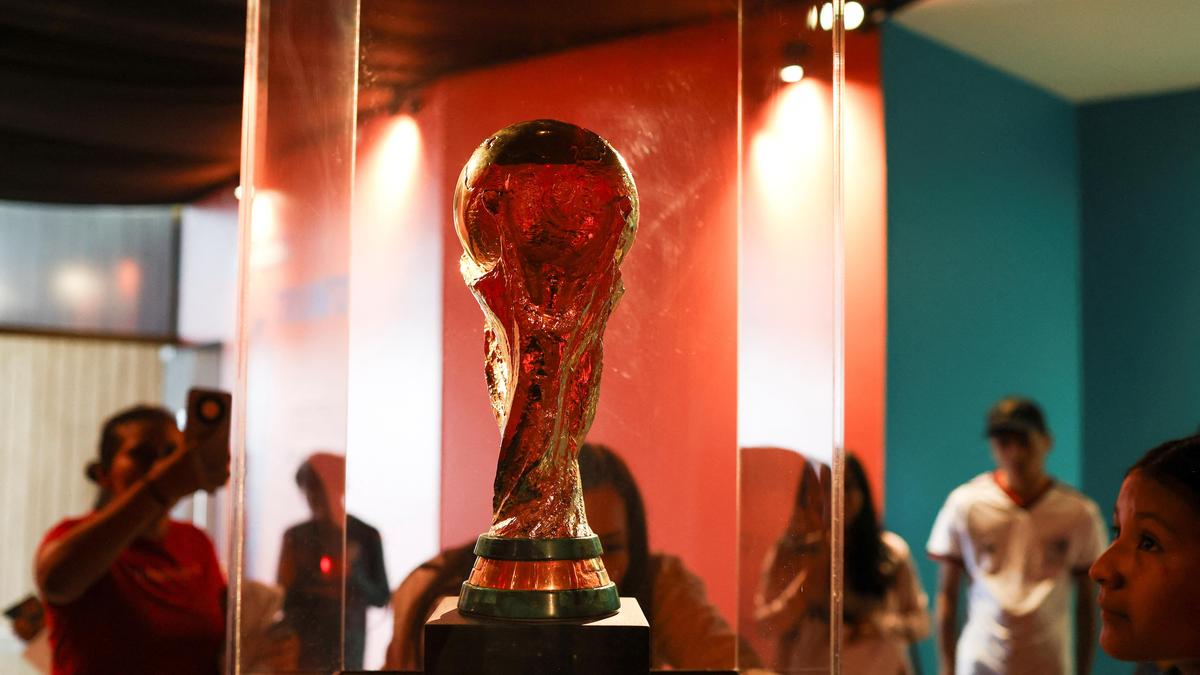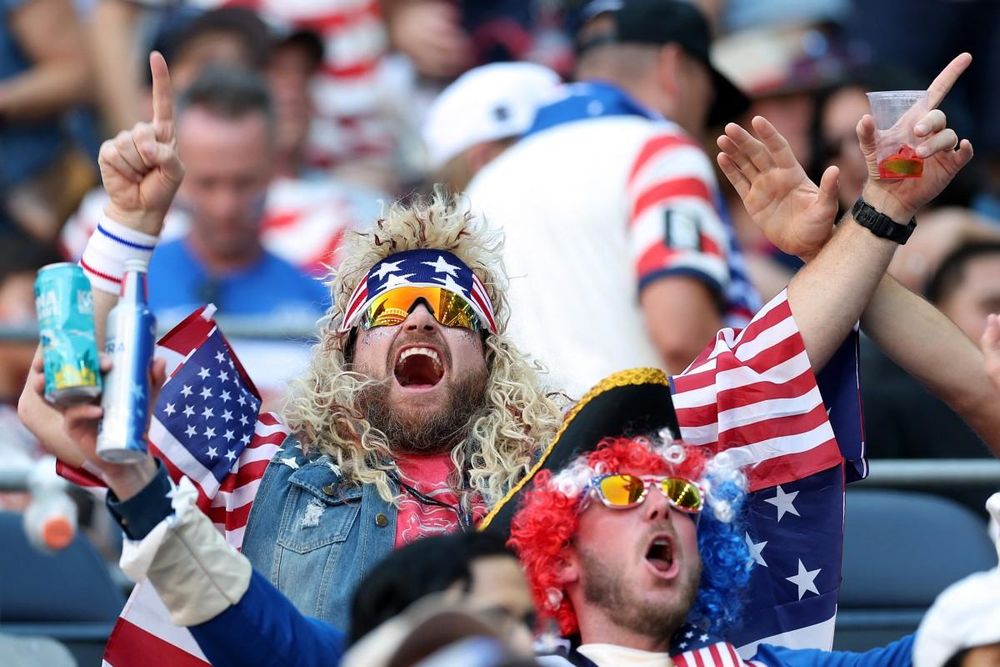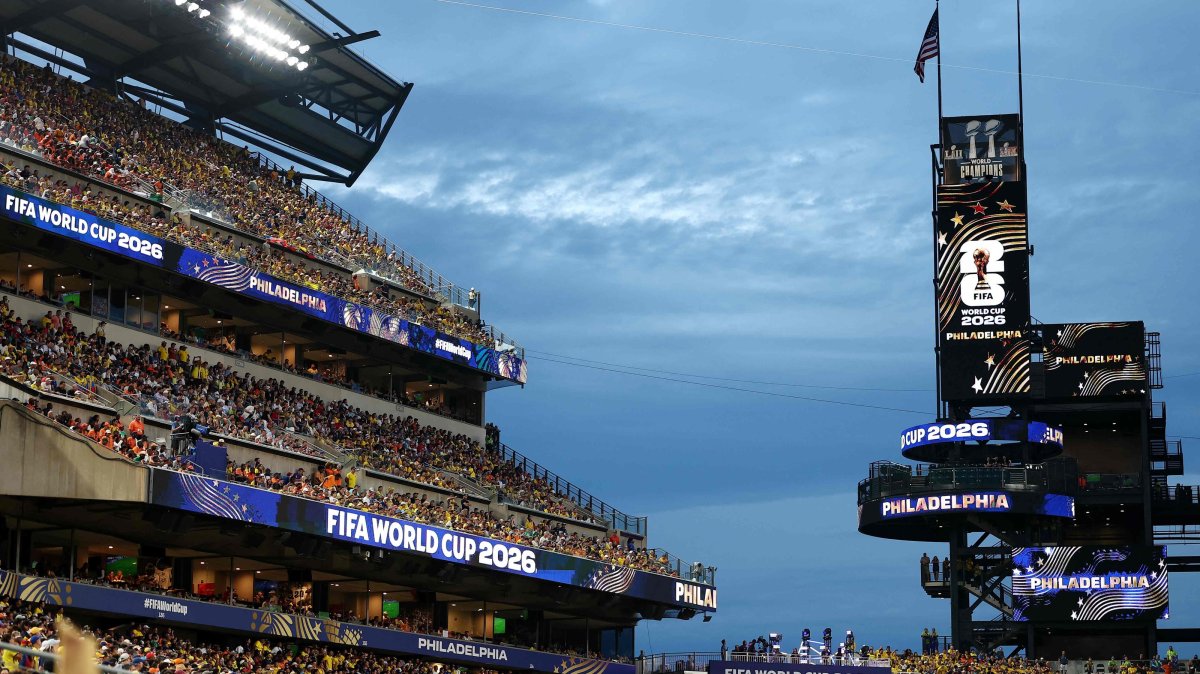
Football has always told itself a beautiful story. That it belongs to everyone. That a kid in Lagos, a factory worker in Buenos Aires, or a fisherman in Dakar can share the same dream as a billionaire in Manhattan. The World Cup, more than any other event on earth, was supposed to be the proof of that story.
The 2026 edition, currently underway across the United States, Canada and Mexico, has exposed that story as a fiction.
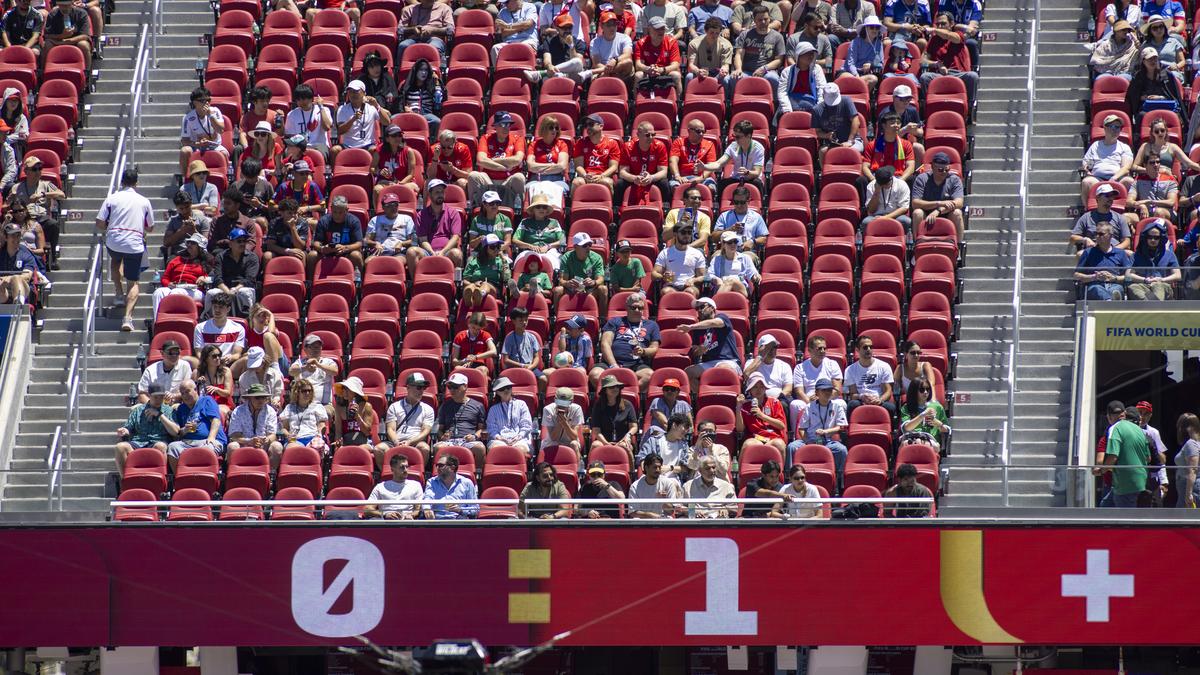
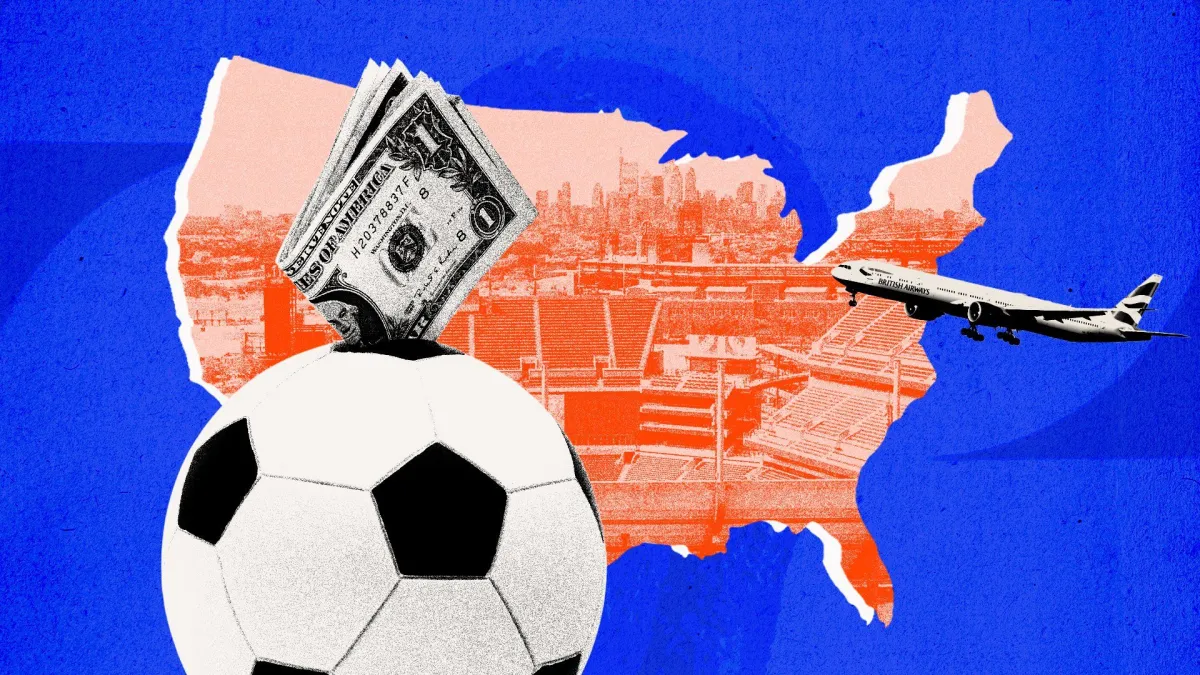
The numbers are not subtle. The cheapest standard ticket for the final at MetLife Stadium reached $5,785 before the tournament even began, nearly four times the $1,550 maximum that the original host bid promised fans. The most expensive seats hit $10,990. On FIFA's own resale platform, final tickets were listed at $32,970. One listing, apparently not intended as a joke, appeared at over $11 million.
FIFA did respond to the outrage. It introduced a $60 "Supporter Entry Tier" for every match. It sounded generous until you read the fine print: those cheap seats cover less than 1% of stadium capacity per game. The gesture was not a solution. It was a press release designed to absorb criticism.
Gianni Infantino, FIFA's president, told fans to "chill." He argued that revenues would be reinvested back into global football. He pointed to record demand. What he did not explain was why the cheapest "Fans First" ticket at Euro 2024 in Berlin cost 95 euros, while the equivalent at this World Cup final costs over $5,000. That is not demand. That is a choice.