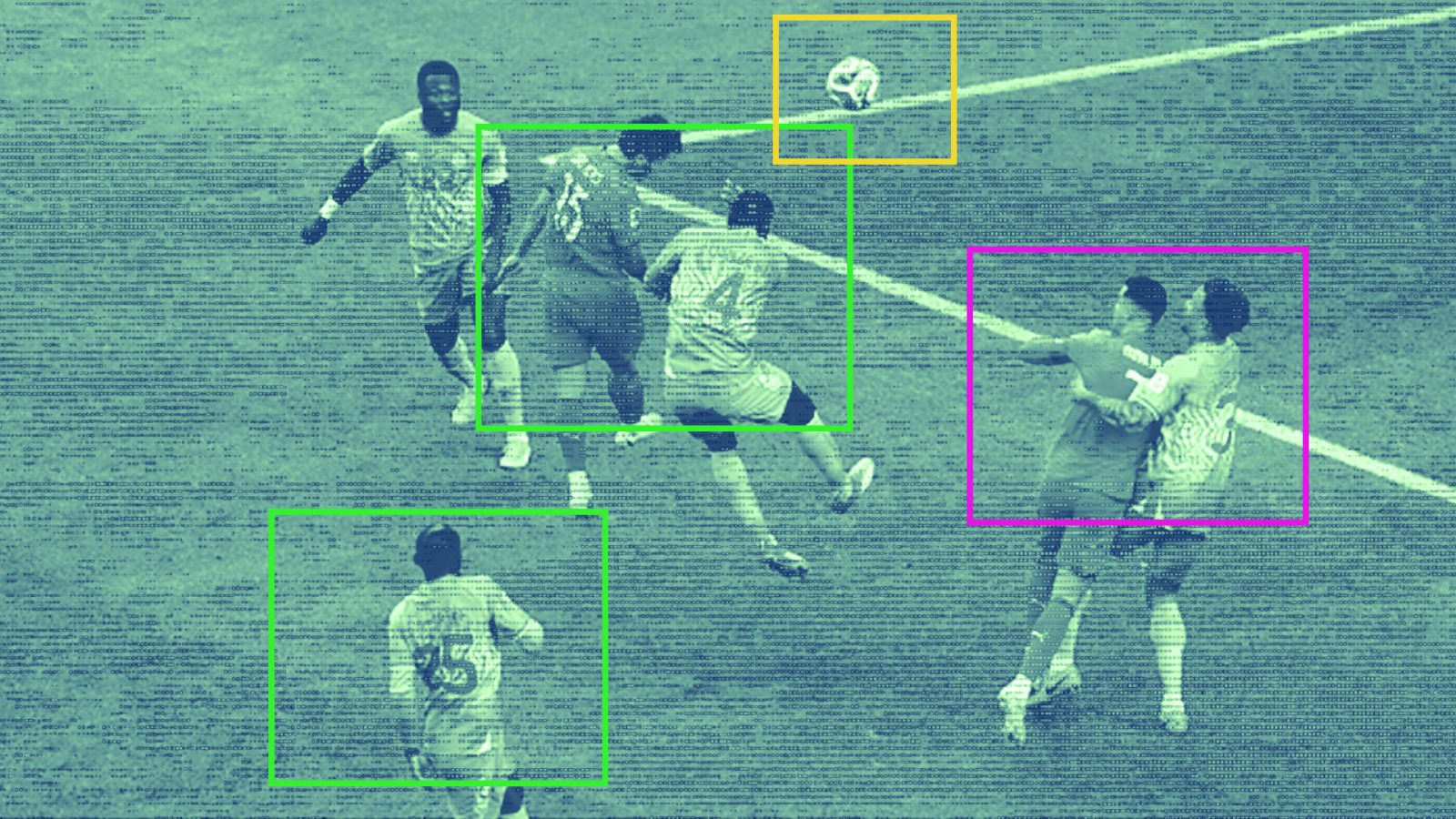
Imagine tuning in to the opening kickoff of a World Cup match and seeing a player intentionally send the ball all the way down the pitch and right out of bounds on the opponent’s end. Casual fans might scratch their heads. Where’s the logic in surrendering possession seconds into a game? If you were Jesse Davis, though, you’d know that this play could be a prime setup to score. Davis is a professor of computer science at KU Leuven in Belgium and head of its Sports Analytics Lab, which has been at the vanguard of a data awakening in soccer since its inception more than a decade ago. Though the research group brings machine-learning models to bear on a variety of sports—including basketball, volleyball, and field hockey—nowhere is its impact felt more than on the soccer pitch. Davis and his team of researchers employ advanced data analytics to reveal a range of (beg your pardon) game-changing findings that are shifting pro clubs’ decision-making. “His lab is the most influential sports analytics lab in soccer,” says Hugo Rios-Neto, data recruitment lead for Royal Sporting Club Anderlecht in Belgium. They’ve helped teams better evaluate their rosters, conceived ways to assess how efficient (or not) strategies are, and developed algorithms that uncover hidden tactical patterns. Like, for instance, the value of kicking the ball out of bounds close to the goal and letting your opponent throw it back into play—a move that’s been popping up in some of the world’s top leagues over the last few years.
Inside soccer’s data renaissance
Many of the insights hitting soccer pitches today trace back to Jesse Davis and a team of computer scientists open-sourcing tools for some of the sport’s trickiest problems.
1,594 words~7 min read