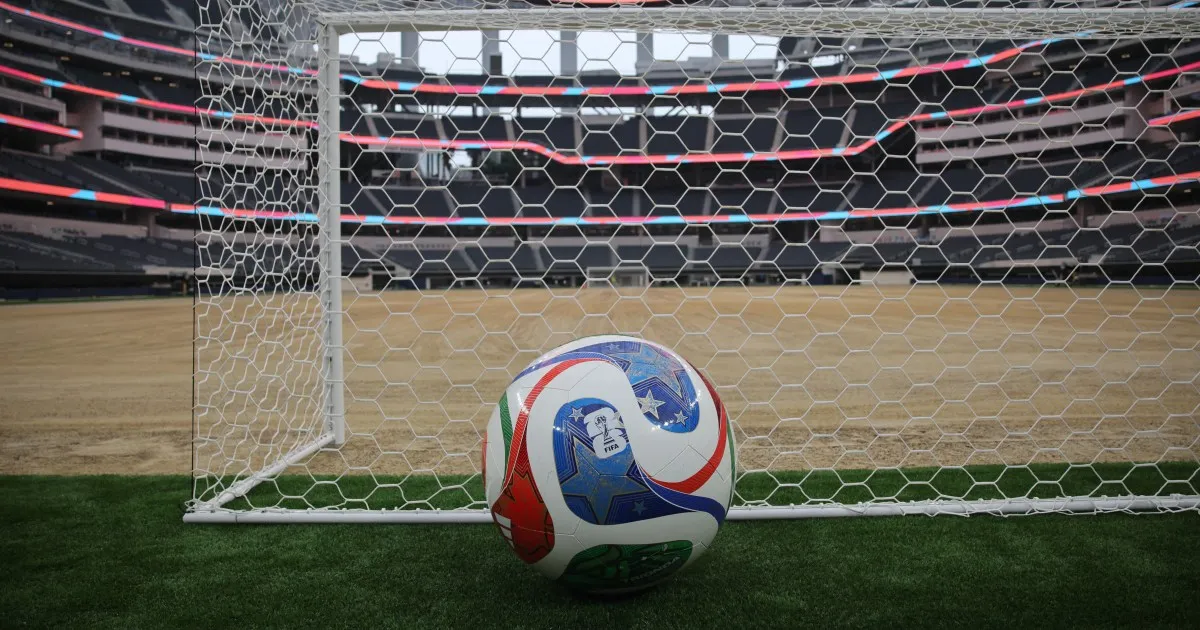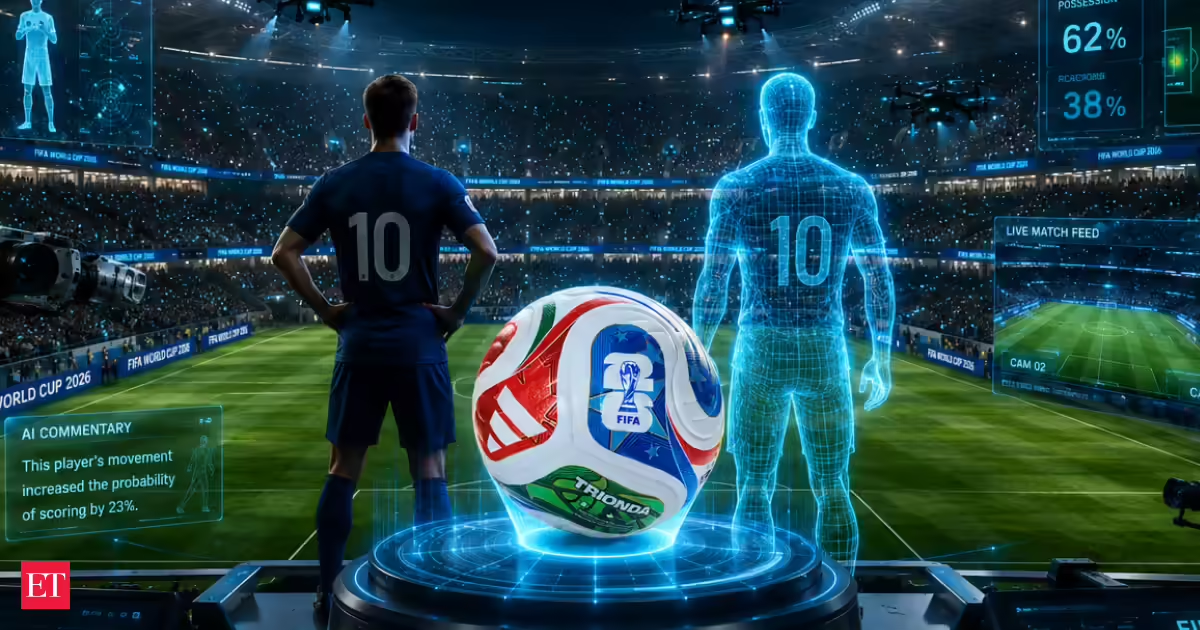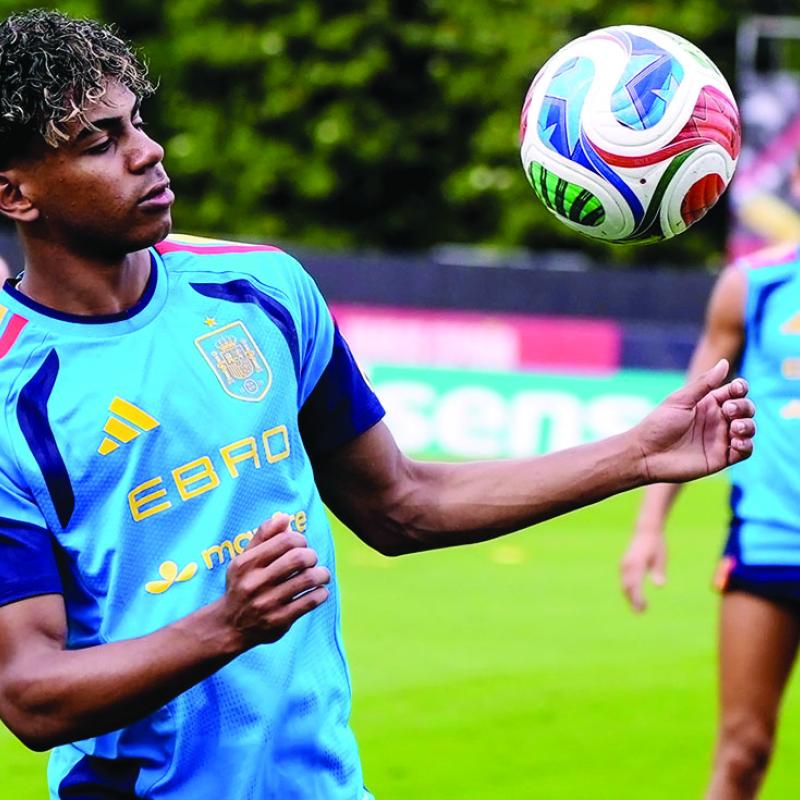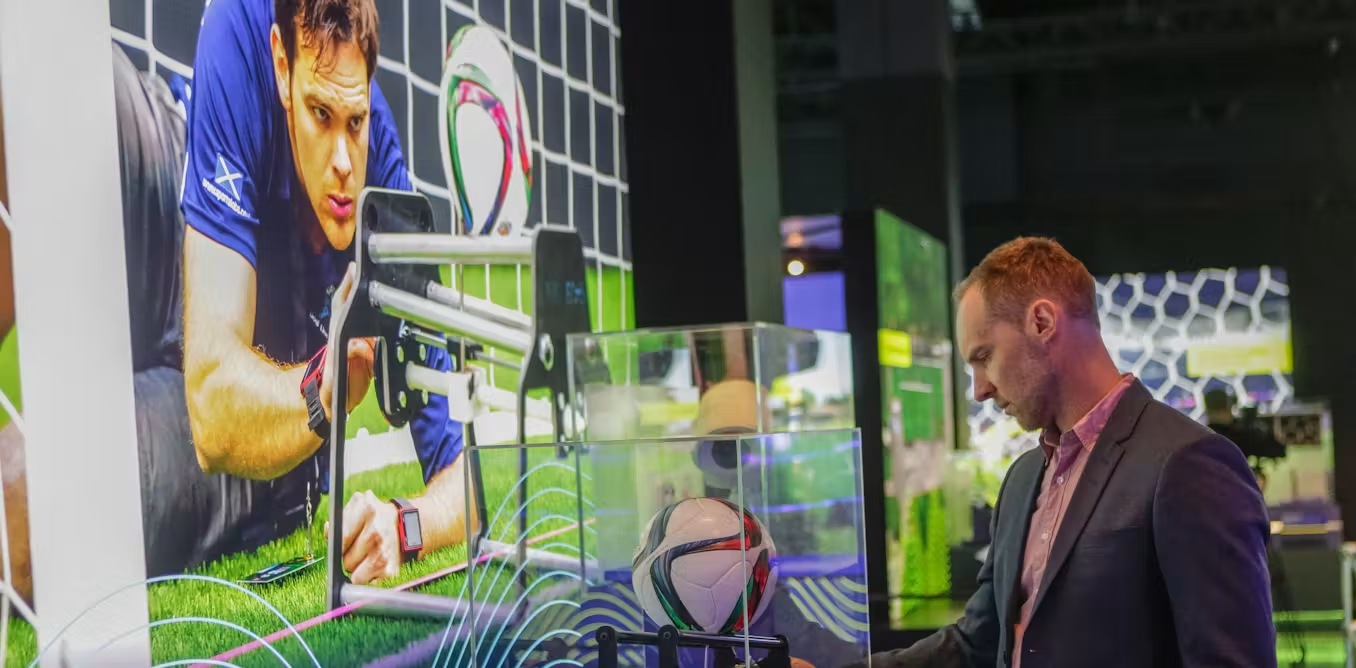
Lamine Yamal, who plays for Spain, is one of the elite footballers whose movements will be tracked by AI tools and wearables during the World Cup 2026. Credit: Gongora/NurPhoto via GettyThe FIFA World Cup 2026 kicks off at a stadium in Mexico City today in what could be the most high-tech edition of the tournament yet. Every team will have access to an artificial-intelligence tool that can analyse its players’ movements, and digital avatars of the players, created from scans of their bodies, will help referees to model match action and spot illegal moves.AI and Euro 2024: VAR is shaking up football — and it’s not going awayTo understand the role science will have in football’s biggest tournament and where the field is heading, Nature spoke to the editor-in-chief of the journal Science and Medicine in Football, which publishes research on various forms of football, including association football — also known as soccer — American football and rugby. Franco Impellizzeri, also a sports scientist at the University of Technology Sydney in Australia, once competed for Italy’s national taekwondo team. But he admires football — “I’m Italian, so football is part of our culture” — and has since collaborated on studies with football organizations including FIFA (the International Federation of Association Football) and elite clubs.He says that AI has led to a surge in football research, which he can see in journal submissions, but that until scientists work out how best to handle the data deluge, “an increase in quantity doesn’t always come with a similar increase in quality”.How will science play a part at this World Cup?FIFA has regularly introduced various technologies to improve the fan experience. For this edition, they have announced the use of AI-generated 3D avatars.There are also new systems to help referees make decisions, including detecting offsides and handball touches. The latter is made possible by using smart balls with sensors inside them.There is also a real-time system to provide staff with match analytics: information on how players move on the pitch, tactical behaviour and individual behaviours of the players. Since these systems are provided by FIFA, it is a great way to democratize access to technology. Whether the teams will have people on their staff who can actually use this information is another question.Italian sports scientist Franco Impellizzeri is the editor-in-chief of the journal Science and Medicine in Football. Credit: Franco M. ImpellizzeriTo what extent are teams now relying on science to improve play?Nowadays, most clubs and national teams have sport scientists, who are usually the ones taking care of data collection and analysis. Even if there isn’t an official research position in the team, it’s normal to have some staff members with a scientific background. Some clubs even have data-science departments.It's also very common now to have PhD students embedded in the team [carrying out studies]. Experiencing the everyday challenges faced by the team can help these scientists to develop research with more practical applications.What is most exciting in football research at the moment?I can tell you what the hot topics are right now, but ‘hot’ doesn't always mean exciting or promising in absolute terms. I would say that AI integration in decision-making, using wearables to collect information from players and sports analytics are major emerging areas. But there is always ongoing work in training-load management, which is the effect of the demands posed by training and competing on players’ health.
This World Cup could be the most high-tech yet — the innovations to watch for
Nature asked a football-journal chief about emerging trends in the sport, from AI tools to PhD students embedded with teams.
567 words~3 min read