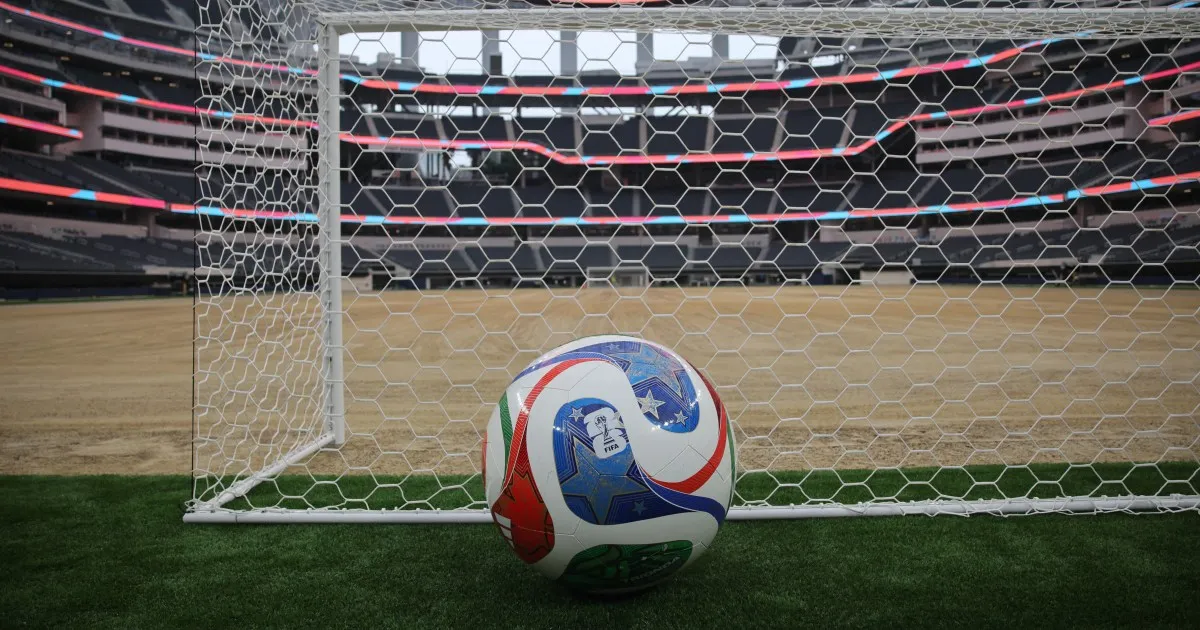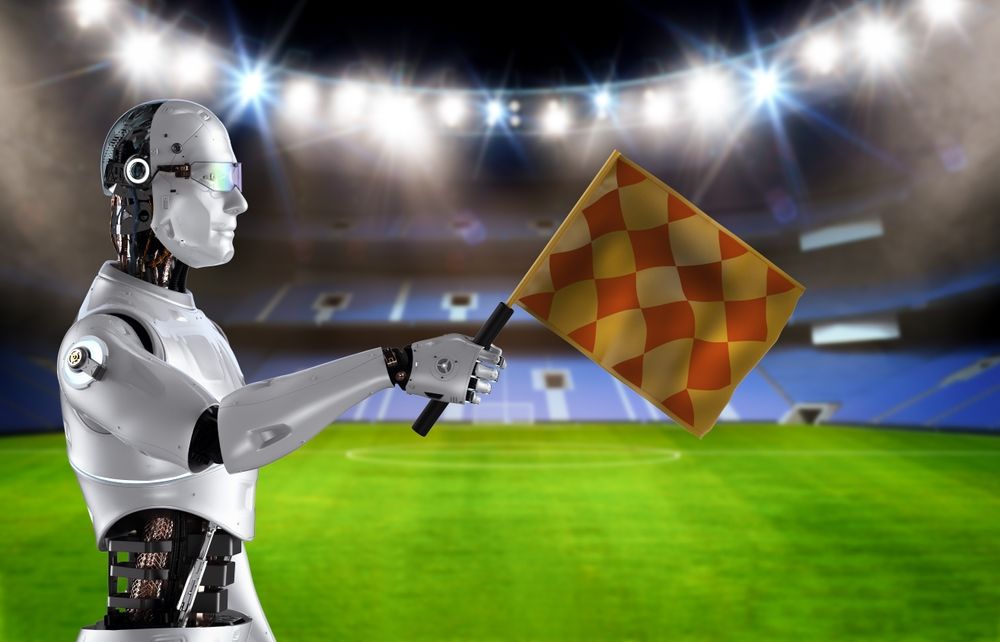
The FIFA World Cup 2026 will not just be remembered for its football. It could also go down as the tournament where artificial intelligence became a central part of the fan experience.From AI-generated 3D player avatars and sensor-equipped match balls to virtual reality-style replays and robot dogs guarding broadcast facilities, the upcoming World Cup in the United States, Canada and Mexico is set to showcase some of the most advanced technology ever seen in global sport.ALSO READ: FIFA World Cup 2026 Games Schedule in Indian Time (IST) PDFAI-Powered 3D Player Models Could Change VAR ForeverOne of the most talked-about innovations is FIFA's plan to create lifelike 3D digital models of every player participating in the tournament.Each player will undergo a rapid digital scan, allowing FIFA to generate highly detailed AI-powered avatars. These virtual replicas will be used during Video Assistant Referee (VAR) reviews, particularly for offside decisions. The technology is designed to improve tracking accuracy and help fans better understand controversial calls through realistic visual explanations.ALSO READ: FIFA World Cup Opening Ceremony Time in India: When and where to watch US, Canada, Mexico live streamings, performers listInstead of viewing simple lines on a screen, viewers could see detailed three-dimensional recreations that show exactly why a player was ruled onside or offside.Smart Match Balls Will Track Every TouchThe Adidas Trionda match ball contains an advanced motion sensor capable of transmitting data hundreds of times per second. The embedded technology can detect the precise moment the ball is kicked, touched or deflected and send that information directly to match officials and VAR systems. This data will help officials make faster and more accurate decisions involving offsides, handballs and disputed touches.AI and Sensors Working TogetherThe real breakthrough comes from combining player tracking with ball-tracking technology. Multiple cameras positioned around stadiums will monitor players in real time, while the sensor inside the ball records movement data. Artificial intelligence then processes both streams of information to create an automated offside analysis system. The final decision still rests with human officials, but the technology is expected to reduce errors and shorten review times.The result could be quicker VAR checks and fewer controversial calls during crucial matches.Virtual Reality-Like Replays for FansFans watching from home can expect a more immersive experience than ever before. The new technology will allow broadcasters to generate highly detailed virtual recreations of key moments. Using AI-generated player models and tracking data, viewers may be able to see incidents from multiple angles with greater clarity than traditional camera footage can provide.The aim is to make complex decisions easier to understand while bringing fans closer to the action.Referee Cameras Enter the SpotlightFor the first time at a FIFA World Cup, live broadcasts will also feature footage captured directly from cameras worn by referees.The cameras use AI-powered image stabilization technology to reduce shakiness and deliver a smoother viewing experience. Fans will be able to see parts of the game from the referee's perspective, offering a unique look at the speed and intensity of elite football. The footage may also assist VAR reviews and referee training.Meet the Robot Dogs of World Cup 2026Artificial intelligence will not be limited to the pitch. Robot dogs equipped with surveillance technology are being deployed at FIFA's International Broadcast Centre in Dallas. The four-legged machines will help monitor facilities, protect equipment and support security operations throughout the tournament.Videos of the robotic units patrolling and performing movements have already attracted attention online, giving fans a glimpse of the futuristic side of the World Cup.
FIFA World Cup 2026 goes full AI: 3D player models, smart match balls and robot dogs set to transform football
The FIFA World Cup 2026 in the United States, Canada, and Mexico will showcase advanced technology. AI will create 3D player models for VAR reviews. Smart match balls will track every touch and referee cameras will offer new perspectives, enhacing the overall experience. Robot dogs will assist security.
581 words~3 min read