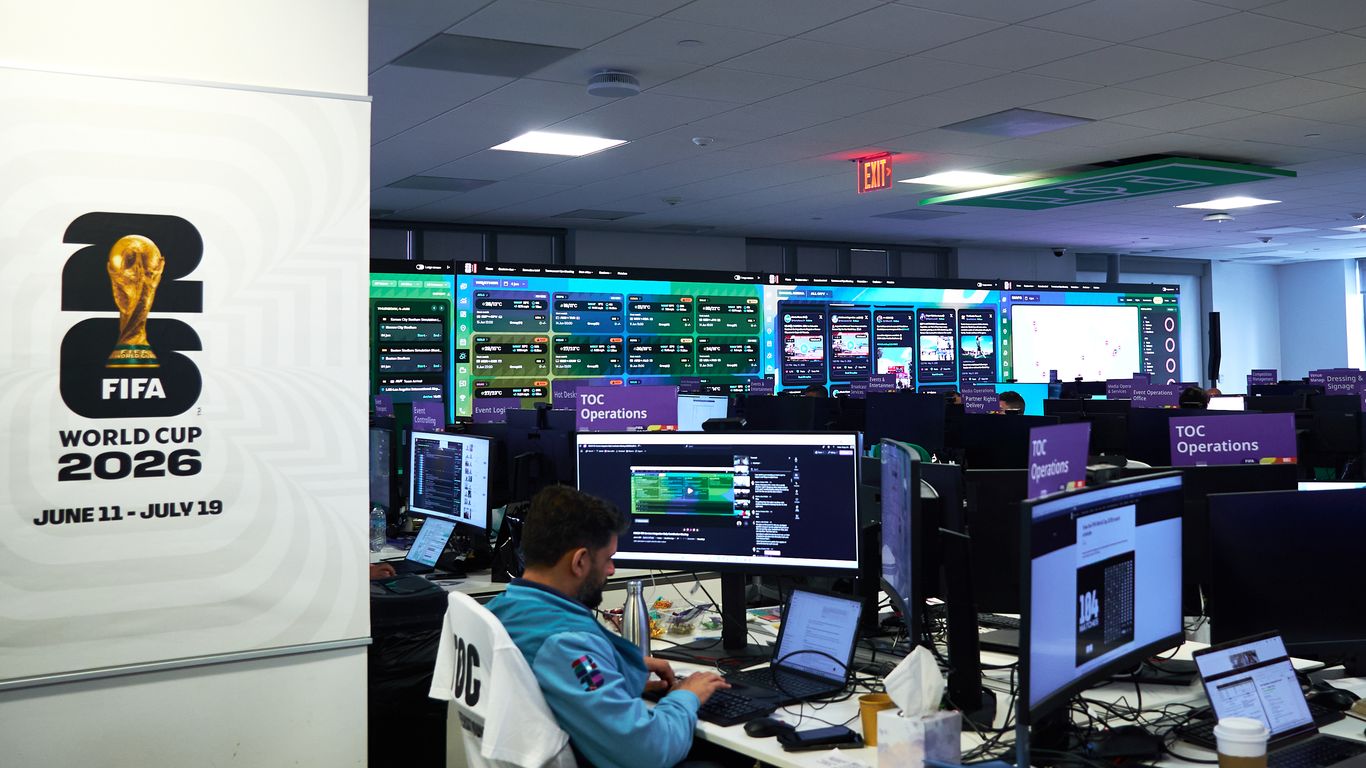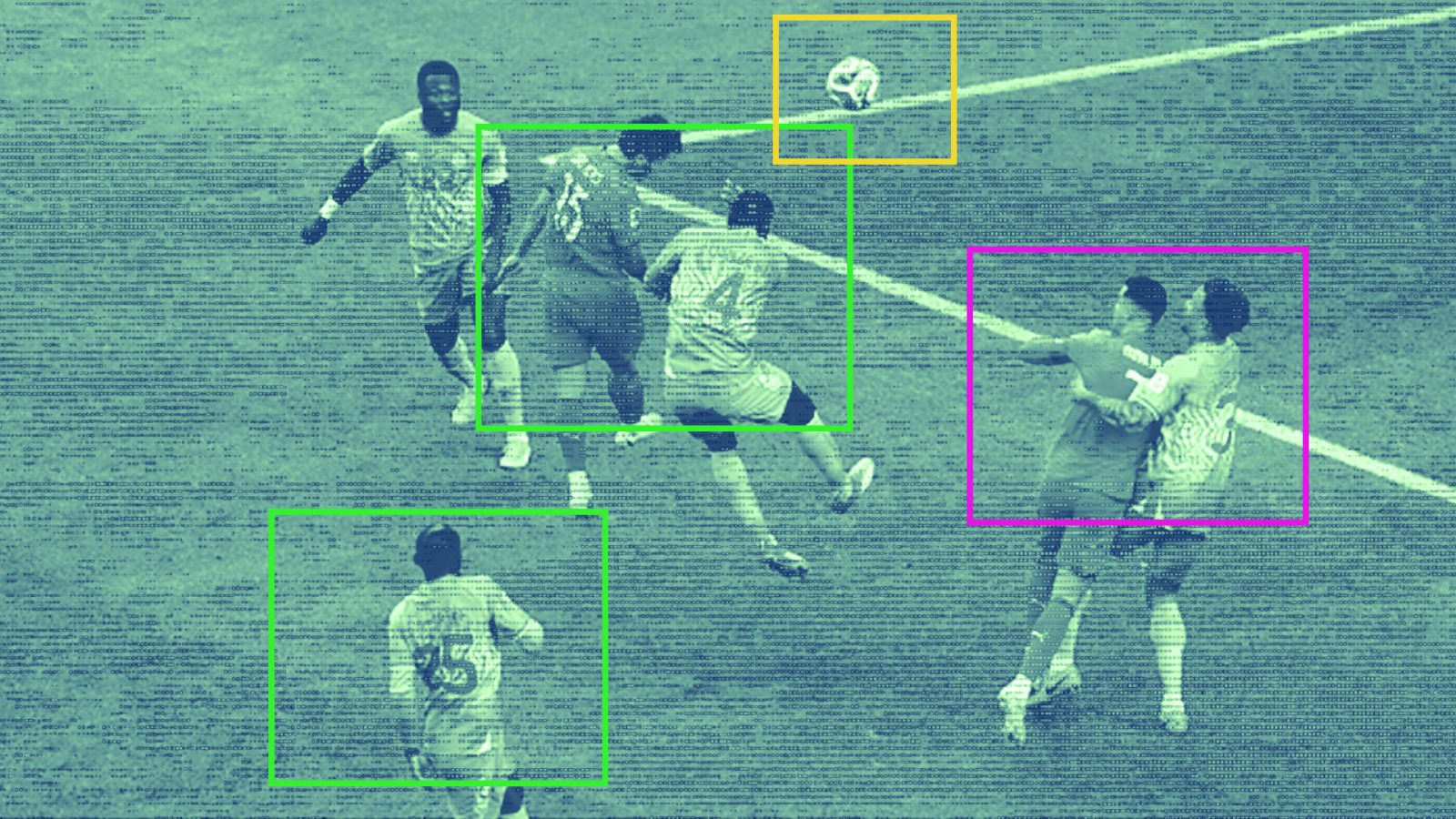
The current edition of the FIFA World Cup features a sensor-fitted ball, real-time tracking, artificial intelligence-assisted offside calls, and an AI assistant for each of the 48 teams. Behind these innovations are data workers in countries including India, Cambodia, and the Philippines, who are essential for the many AI tools in play.
Football embraced data analytics more than two decades ago, and nearly every national team and major club now uses it for recruitment, training, game tactics, injury prevention, player management, and more. The data analytics also feed broadcasters, and the video-game and betting industries.
Teams today may have in-house data analysts and scientists with doctorates in physics, mathematics, or machine learning and AI experience; data vendors whose workers specialize in player tracking and turning raw video into data; and video platforms that record and tag matches, Rafael Grohmann, assistant professor of media studies at the University of Toronto, told Rest of World.
“Football has been relying on this kind of work far longer than the current AI excitement,” he said. “The workers in data value chains are essential to football … and the data value chain has a geography: The high-value data analytic work is located in a handful of wealthy centers, while the data annotation is concentrated in cities across Eastern Europe, Africa, South Asia, and Southeast Asia.”