JEDDAH: When the FIFA World Cup kicked off in USA, Mexico and Canada, billions of fans were glued to their screens. There were goals, controversies and last-minute dramas but the real magic was not just happening on the grass.
Behind the scenes, engineers and tech companies had turned the tournament into a massive showcase for innovation.
From smart footballs, an “out-of-bounds” ball-tracking system and “Football AI Pro” to real-time referee body cameras, AI-generated 3D player avatars, broadcast operations, security, transport, communications infrastructure, robot dogs and fan engagement, all these technologies were changing how football fans experienced the game.
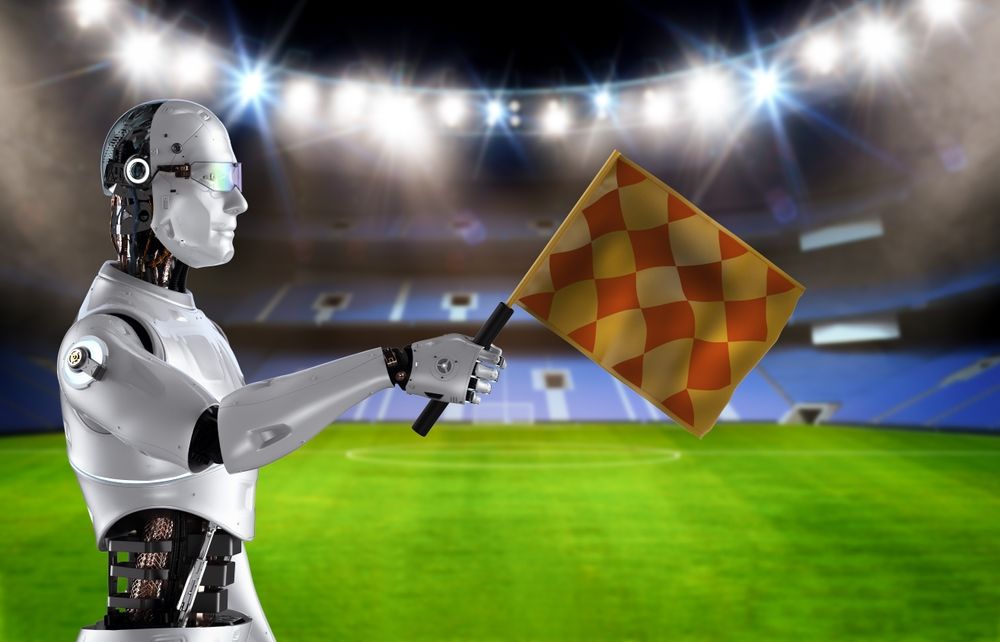
Beyond all this, artificial intelligence has become one of the tournament’s most influential forces, quietly supporting referees, helping coaches analyze tactics, powering live broadcasts with instant insights and creating more personalized experiences for fans.
Unlike the World Cup in Qatar, where AI was largely viewed as an experimental tool, the 2026 edition demonstrated that it is no longer an optional extra. It has become an integral part of football’s biggest event, embedded in everything from match operations to fan engagement.