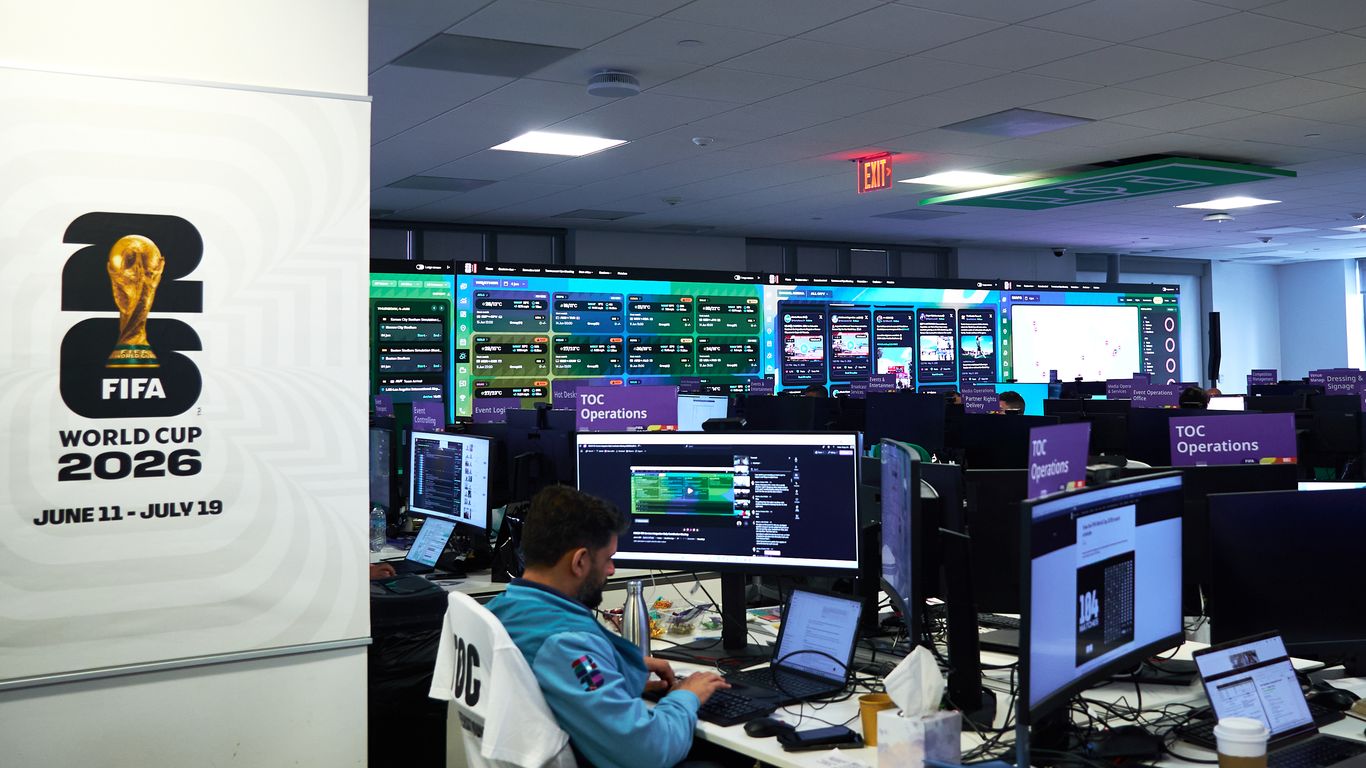
More than 1.5 billion people worldwide are expected to watch the 2026 World Cup finals. With that many fans scrutinizing every pass, touch and goal, FIFA is leaning on advanced computer vision technology to help referees make faster, more accurate calls on the way to crowning this year's victors.
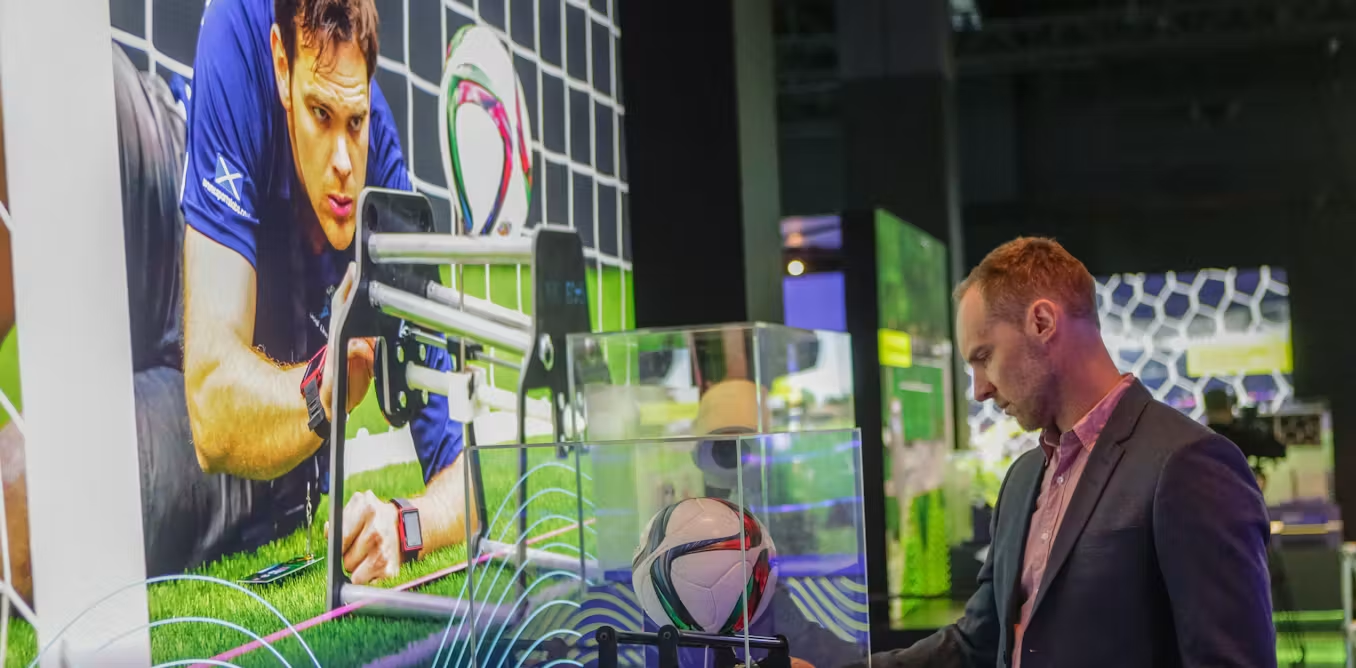
This year, the tournament's officiating toolkit includes Sony's Hawk-Eye technology, which supports video assistant referees (VAR), goal-line technology, advanced semi-automated offside technology and a "last touch" feature for corner and goal kicks.
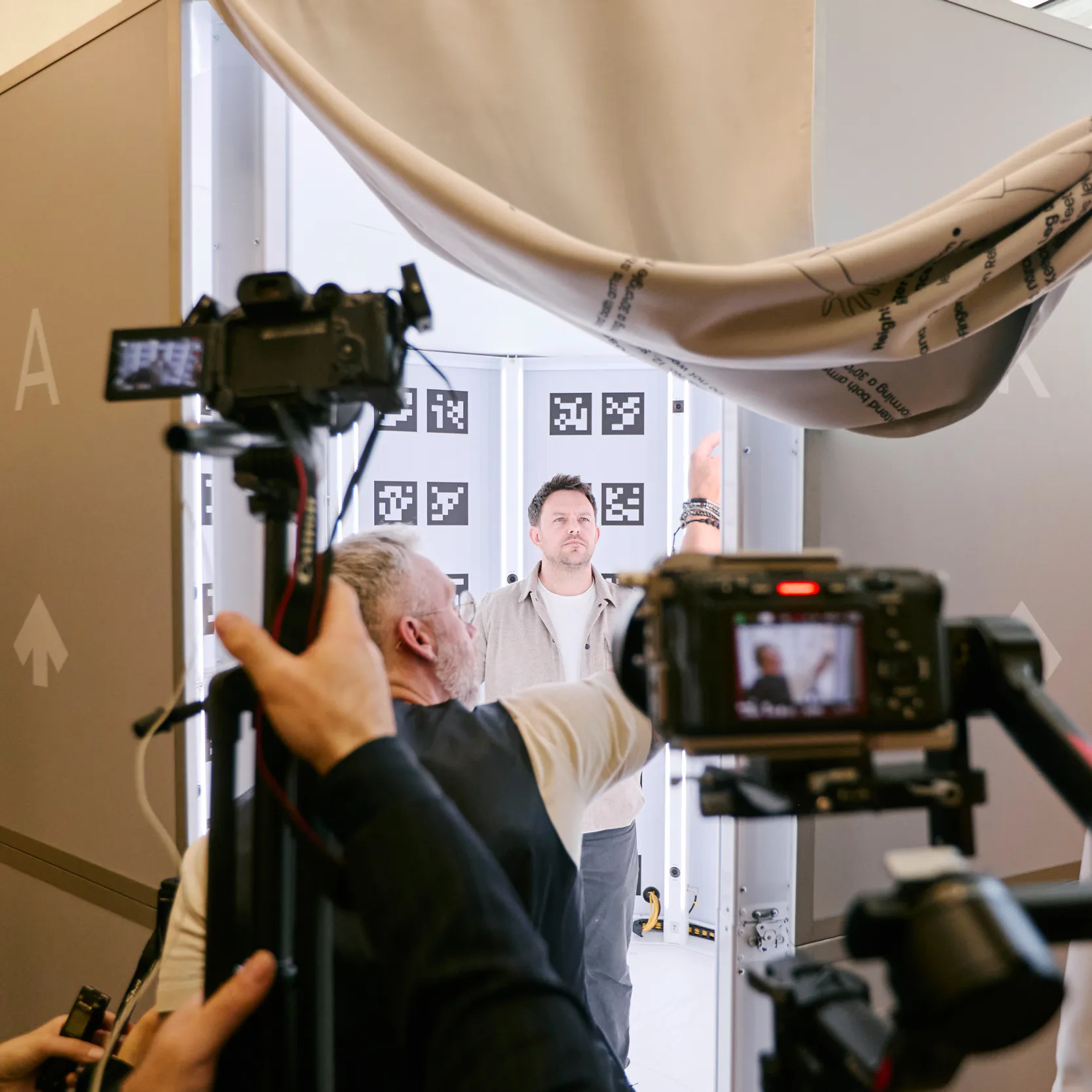
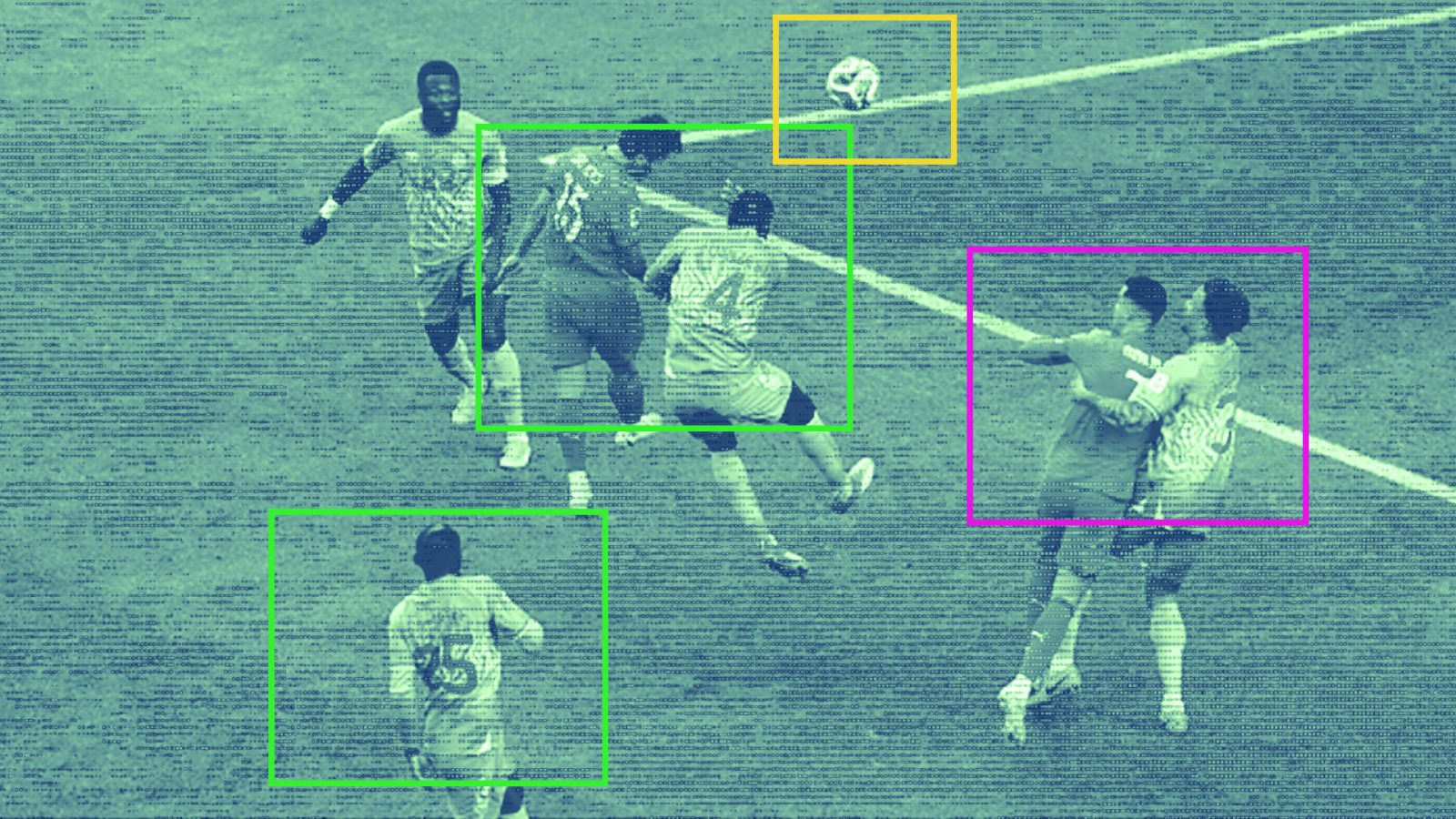
"It's a very sophisticated system that glues together multiple computer vision techniques," says Chenliang Xu, an associate professor of computer science at the University of Rochester and an expert in computer vision. "You have calibrated cameras, real-time vision models to detect the ball, players and their poses, as well as a decision layer to identify when some sort of intervention needs to happen."
For players and fans alike, the result may be shorter waits for close calls.
FIFA first deployed Sony's Hawk-Eye ball-tracking technology in 2012 at the Club World Cup. At the 2022 World Cup, FIFA introduced semi-automated offside technology, which combines limb- and ball-tracking data with artificial intelligence to provide referees and video match officials with information in mere seconds to inform offside decisions.