“The action on the field is sublime, and yet it’s the least interesting thing about the sport.”
Soccer derives its beauty from its simplicity. Twenty-players and a ball on a rectangle of grass; put the ball in the other team’s goal; don’t use your hands.
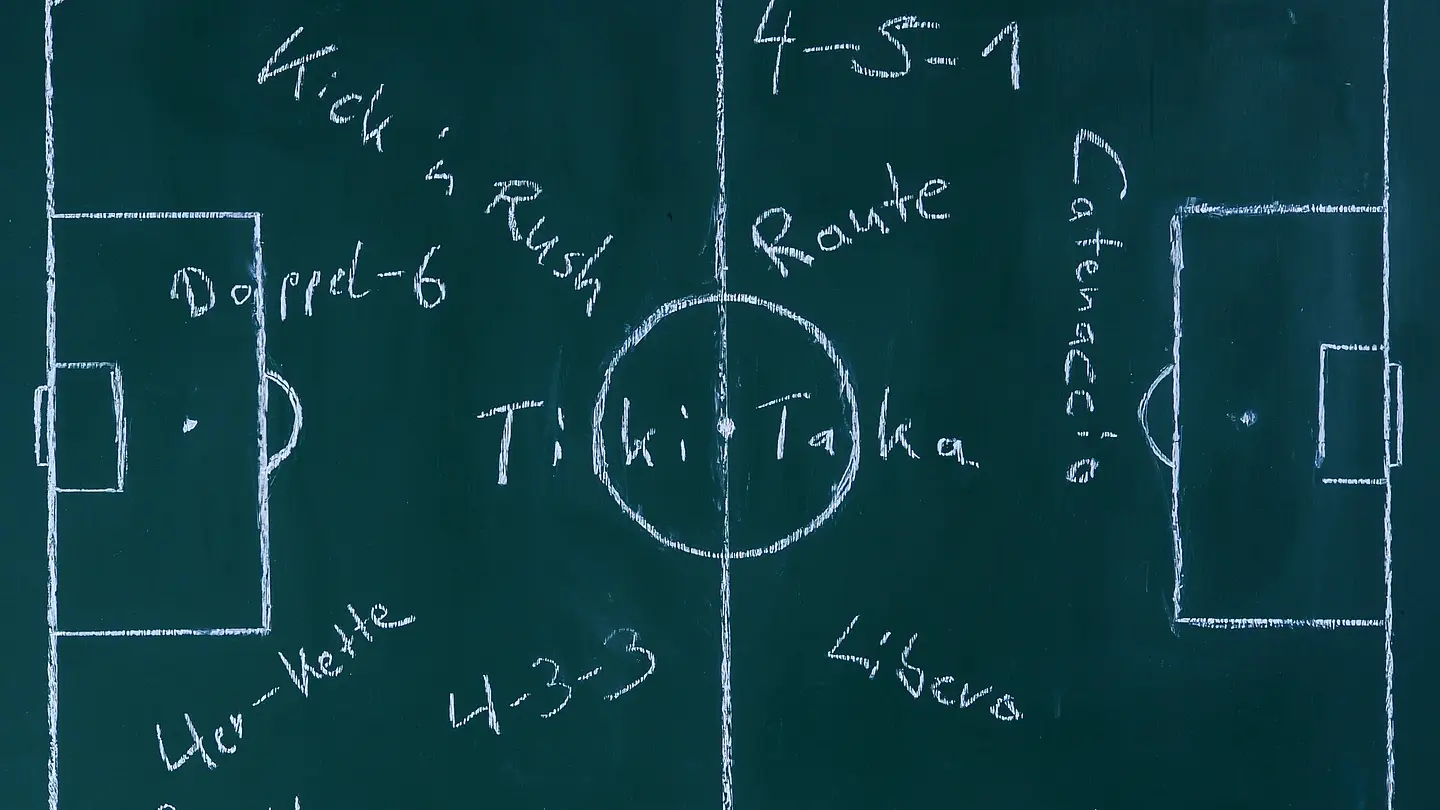
What makes soccer popular, I believe, is its complexity, layered over this most basic of games. For as long as it has existed, this blank canvas has consumed clever coaches as they evolved, solved, and reinvented the sport’s tactics and strategies anew, over and over, season after season. There is a robust subgenre of soccer books dedicated just to those tactical renewals.
More compelling still is soccer’s socioeconomic and cultural and geopolitical capital. It’s the only sport credited with starting and stopping wars, with aiding in a new state’s self-determination, and both overthrowing regimes and keeping them in power. The societal implications are what have kept me hooked on soccer for some 35 years. The action on the field is sublime, and yet it’s the least interesting thing about the sport. That’s what makes it such an irresistible subject.
Which is why I really hope that readers don’t think of my new book on the United States men’s national team, The Long Game: U.S. Men’s Soccer and its Savage, Four-Decade Journey to the Top, or Thereabouts, as a treatise on soccer. It’s a most American story, I think. Because it’s about strivers and dreamers, only some of them competent. It’s about immigration and assimilation and capitalism. It’s about drama and dysfunction. About losing streaks that ran longer than a decade. About deluded coaches and philandering teammates and practice-field punch-ups. About intermittent success, too, followed by inevitable regression in the only game the United States takes seriously yet cannot seem to conquer the world in. It’s about national soccer teams as avatars for the nations that rear them.