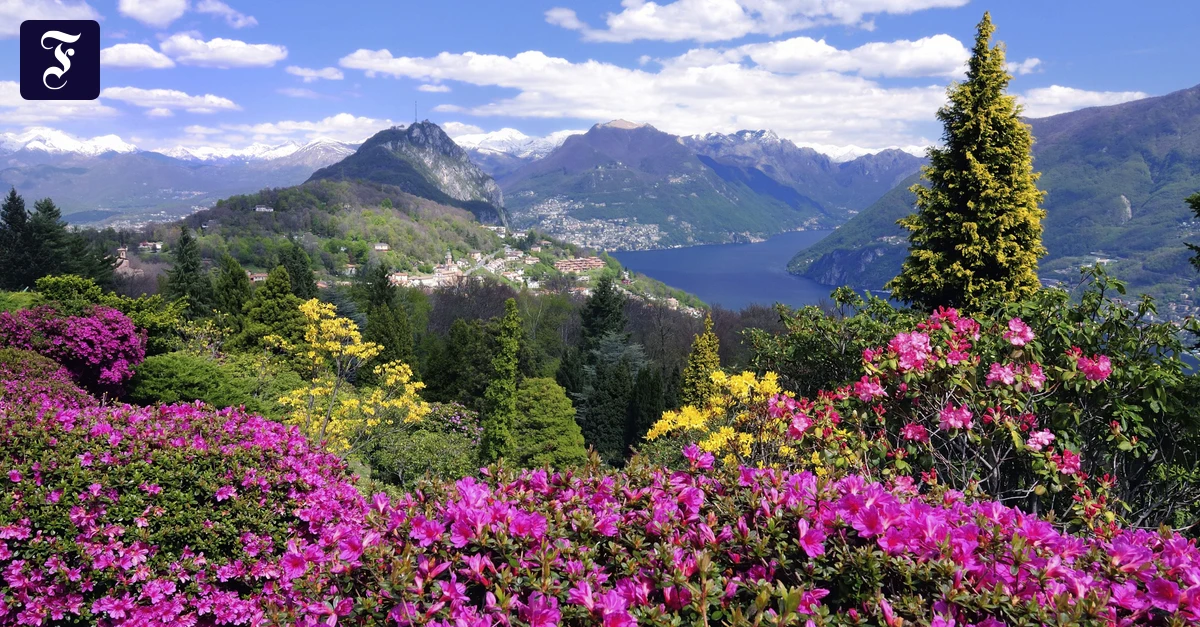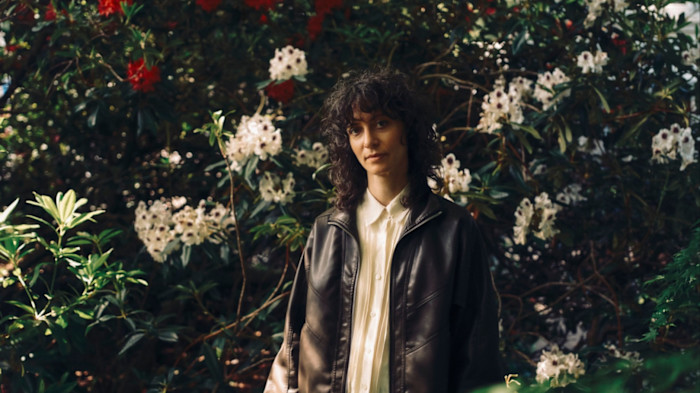
It’s a grey day in Riehen, on the outskirts of the Swiss city of Basel, but the birds are singing and the vista before us is one of infinite rural charm. “I really like this view,” says Rahel Kesselring of a sight that takes in fruit trees, farmland and a gently rising hill of lush grass. “You can see so many different plants, types of landscape, uses of nature.”
We are at the Fondation Beyeler, a museum focused on modern and contemporary art — the most visited in Switzerland — and Kesselring, who is 39, has recently been appointed its “botanical curator”. Though in recent years galleries including Tate and the Serpentine have hired curators of sustainability, ecology and climate change, Kesselring’s title is the first of its kind at an art institution (and notably focused on plants, rather than the lexicon of sustainability).
“For me the term is very well chosen,” says Kesselring. “It’s not a morally embedded word. It’s liberating.”
In the tranquil gardens of the Fondation Beyeler building in Riehen, near Basel, designed by Renzo Piano © Joël Hunn
Discussions around nature and its integration into artistic practice are very current right now. Visitors to this year’s Venice Biennale will have experienced the synthesis of soundscape and landscape in the Vatican pavilion’s takeover of an old monastery garden, or in the main exhibition, Uriel Orlow’s audiovisual observations of plants overtaking ruins at an abandoned hospital near Jerusalem. In 2022, Precious Okoyomon’s installation of kudzu vines, sugar cane and butterflies was allowed to run wild through the Arsenale building, letting the non-human take control.