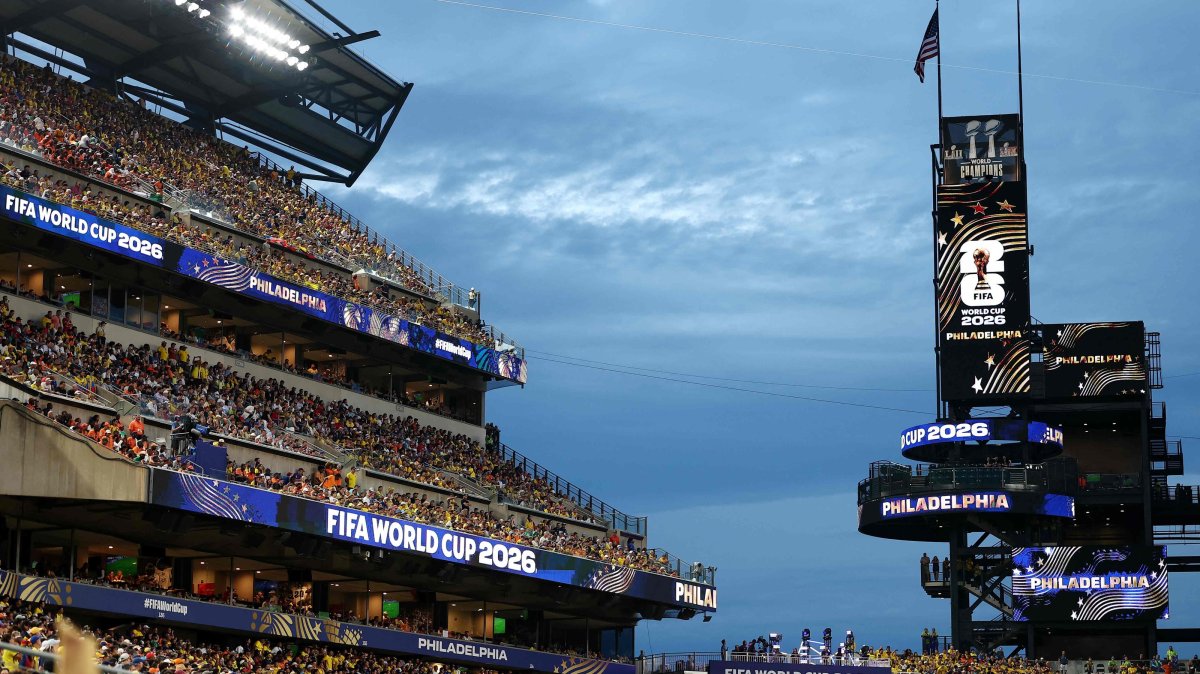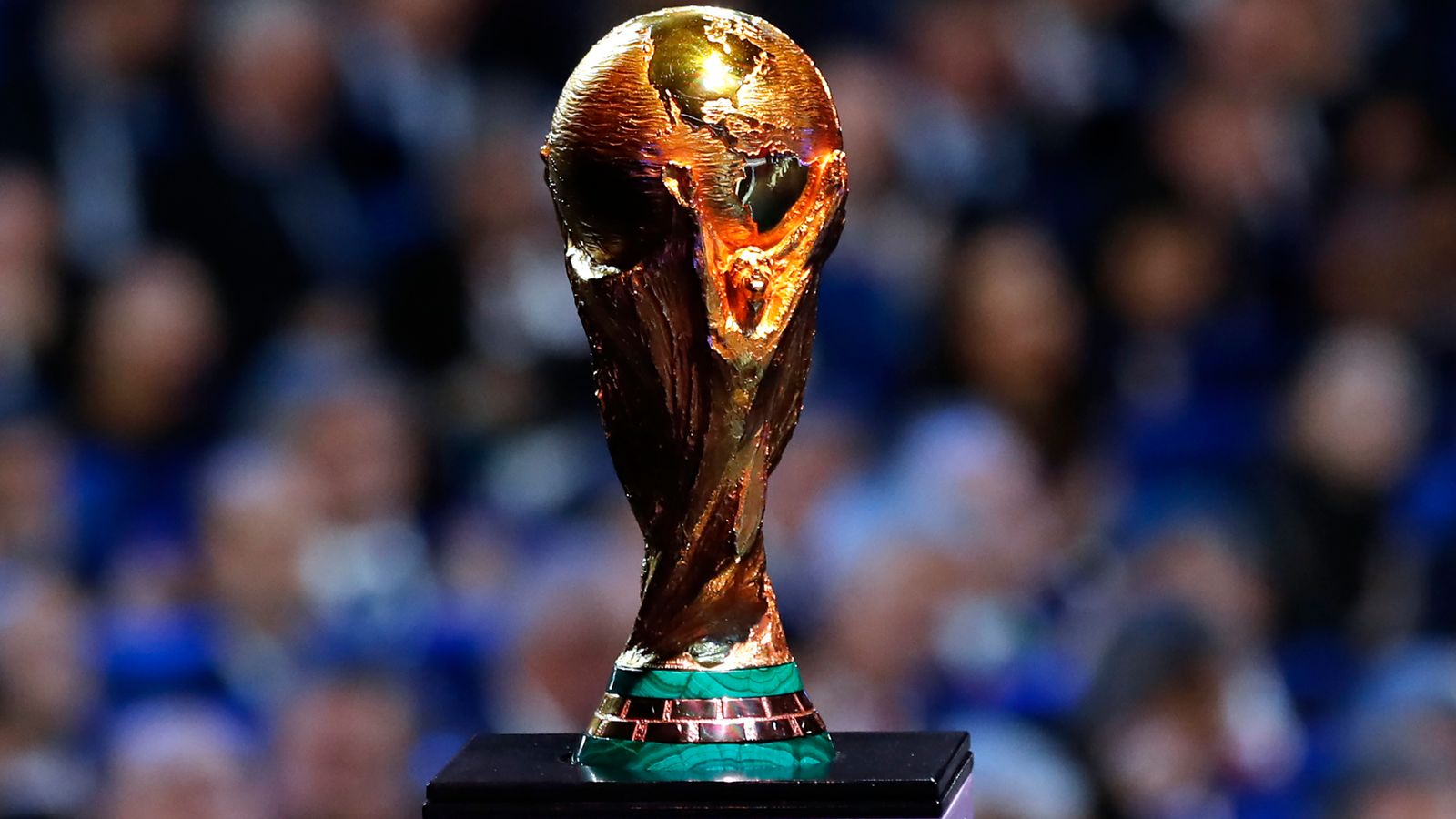
Global football body Fifa is branding the World Cup 2026 – and global football in general – as a celebration of inclusivity and diversity. It’s presented as a harbinger of peace and hope, and even somehow a saviour of African migrants who drown while attempting to cross the Mediterranean Sea.
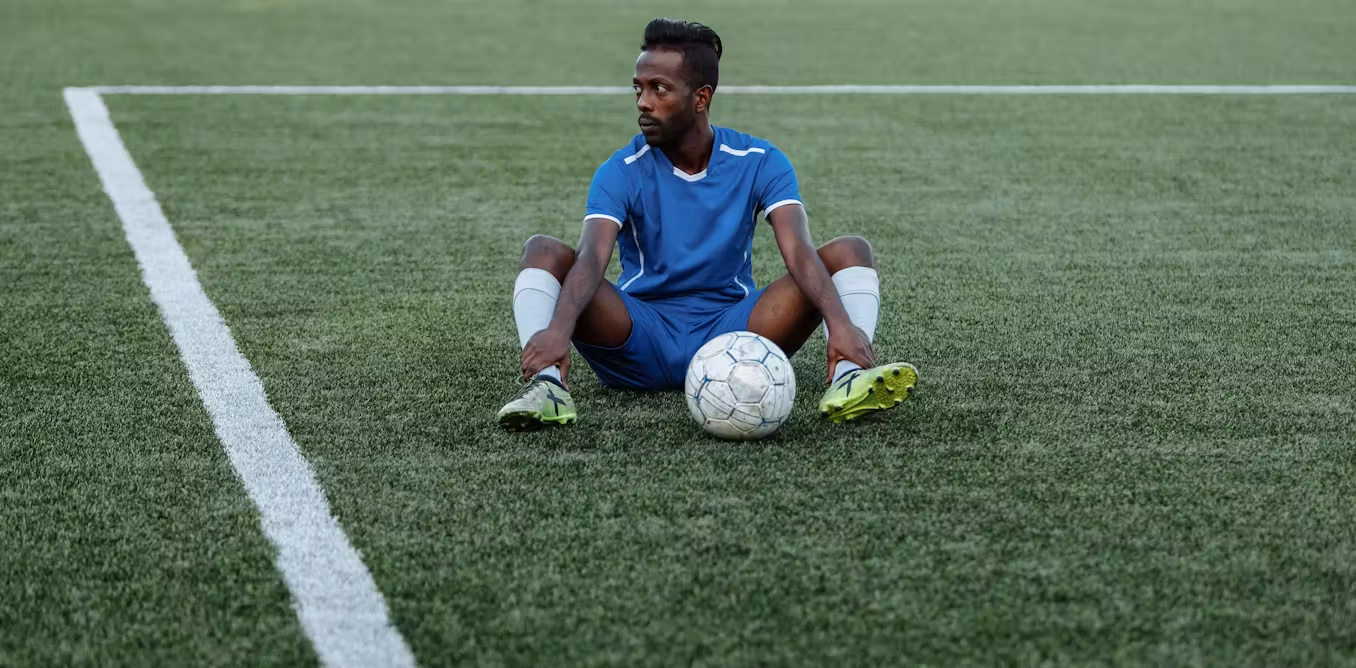
The humanitarian posturing should not distract us from the existence of a precarious global class of migrants. They have travelled (especially from west Africa) to Europe (and elsewhere) by various means, with dreams of playing football for a living. As plenty of research has shown, many become stranded as unauthorised migrants, manipulated by deceitful agents, or exploited by football clubs.
Despite nuanced and long-standing research on this topic, west African football migrants are still routinely in the headlines for more sensational reasons. They are being reported on as either victims of human trafficking or as stellar performers in elite football.
Human trafficking in and through football certainly exists. It’s been thoroughly explained by scholars and investigative journalists. But focusing only on victimhood or elite stars does no justice to the more common realities, aspirations and challenges of migrants who are reshaping today’s Europe and its football.