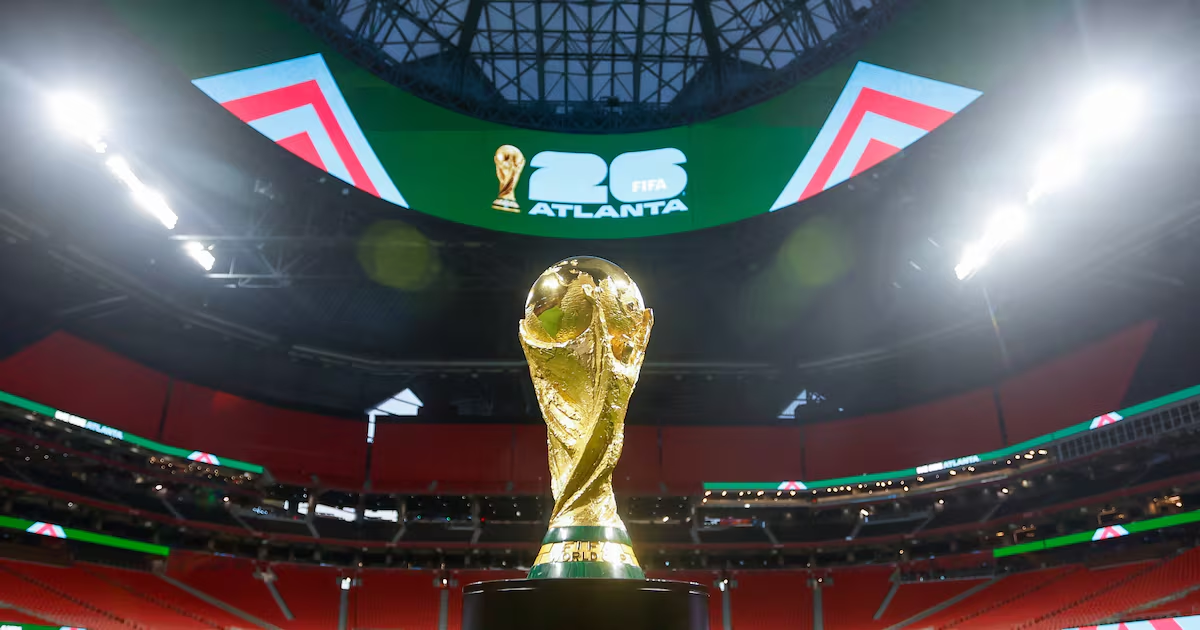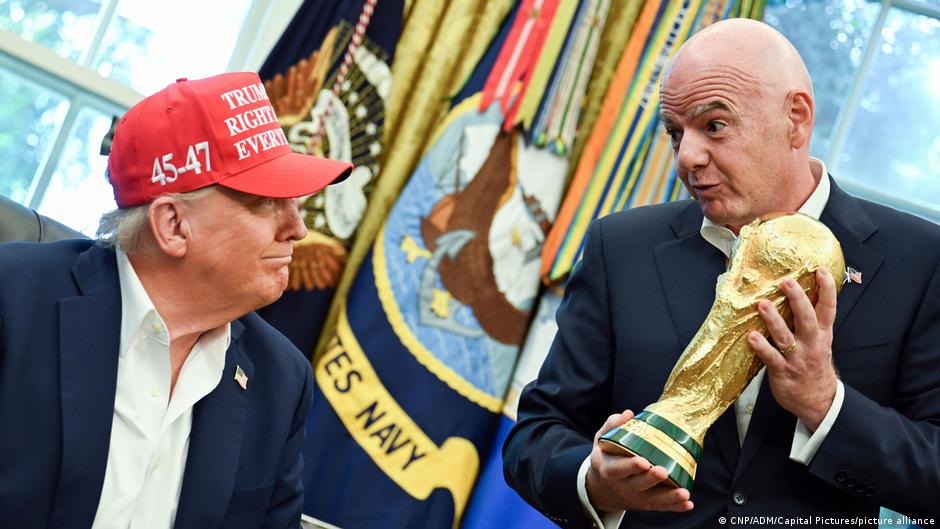
FIFA promised the biggest World Cup ever. Forty-eight teams, three host nations, and a tournament designed to showcase North America to the world. Instead, the organization finds itself navigating a political minefield where its control over the event looks increasingly tenuous.
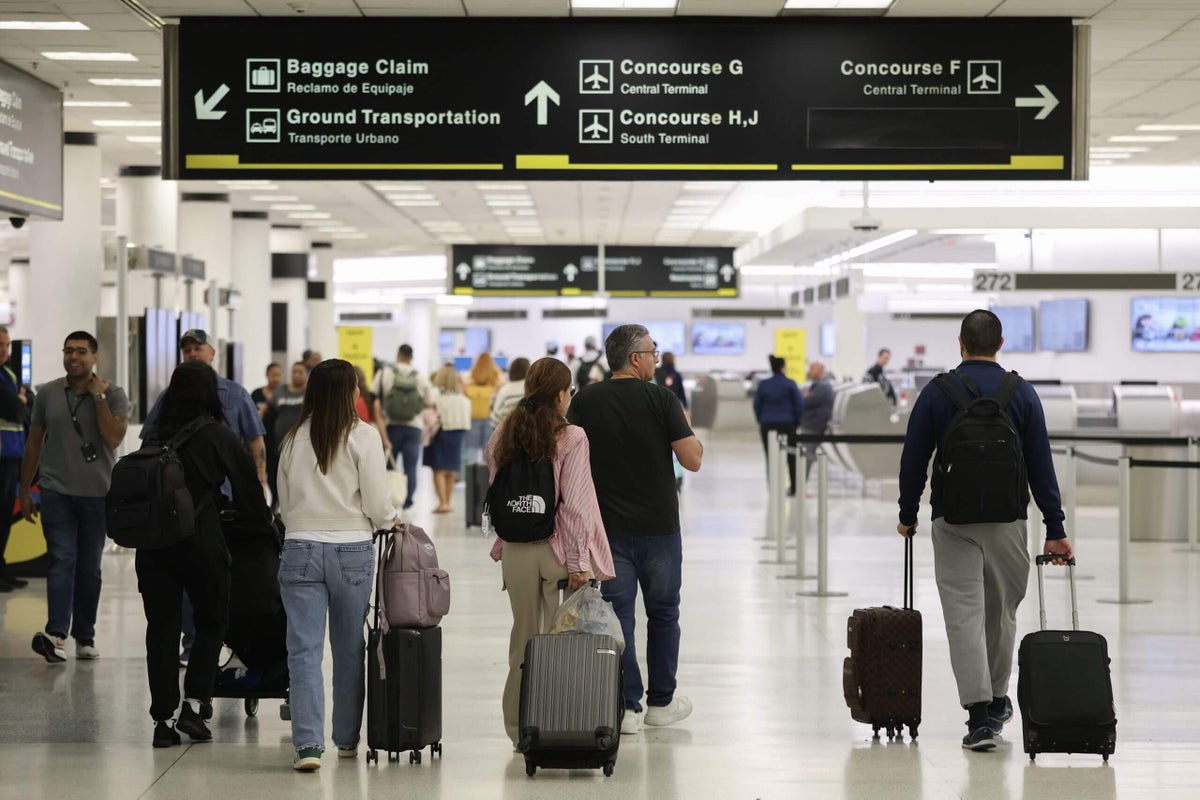
The 2026 FIFA World Cup, set to kick off on June 11, is running headfirst into US immigration enforcement policies that threaten to turn the tournament into a logistical and diplomatic nightmare. With roughly three-quarters of matches scheduled on American soil, expanded travel bans now covering 39 countries are creating real barriers for fans and, in some cases, the competing nations themselves.
The scope of the problem
Travel bans expanded in January 2026 cast a wide net. Among the 39 affected countries are Iran, Haiti, Senegal, and Cote d’Ivoire, all of which have teams competing in the tournament. In English: some players’ own family members may not be able to watch them play.
Over 120 civil society organizations issued travel advisories in late May warning of risks including detention and deportation for up to 10 million potential World Cup visitors.