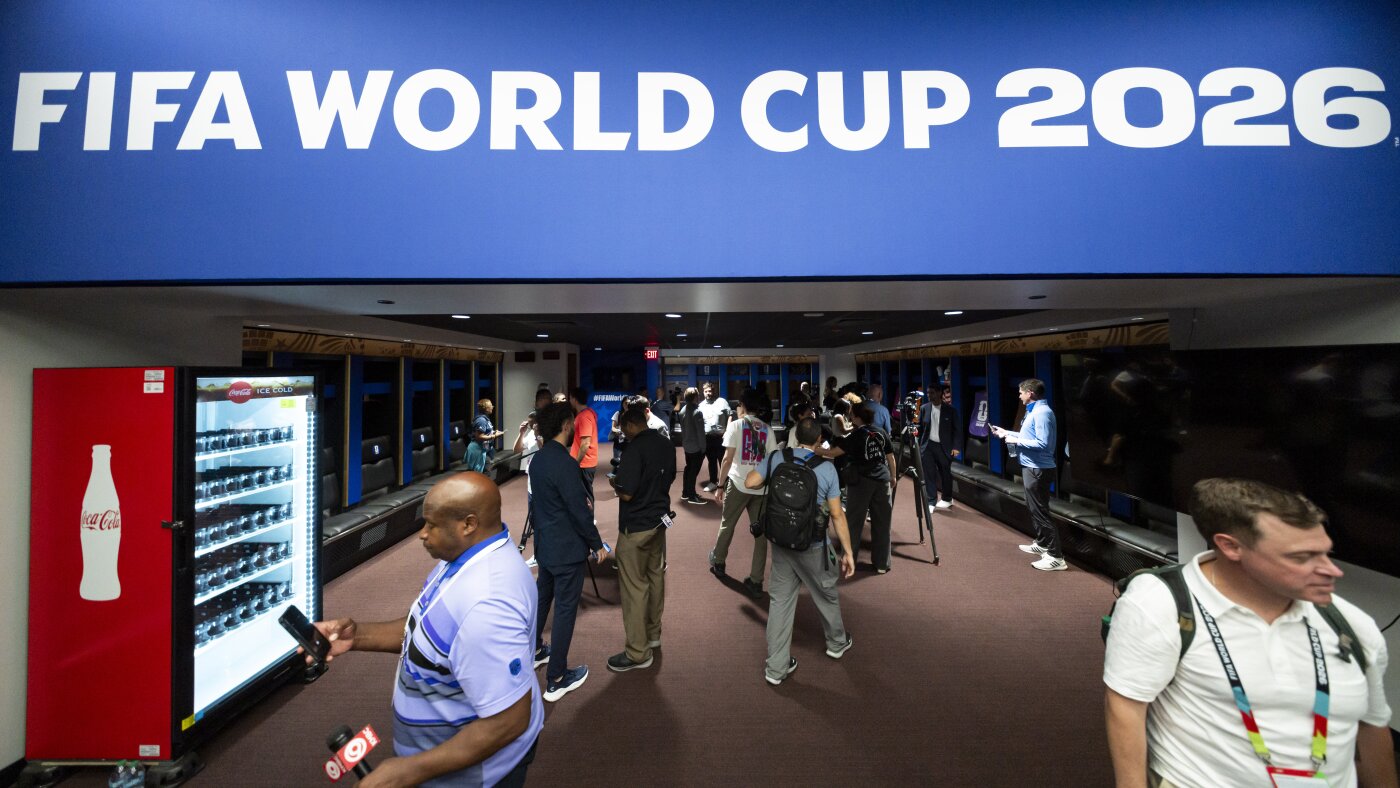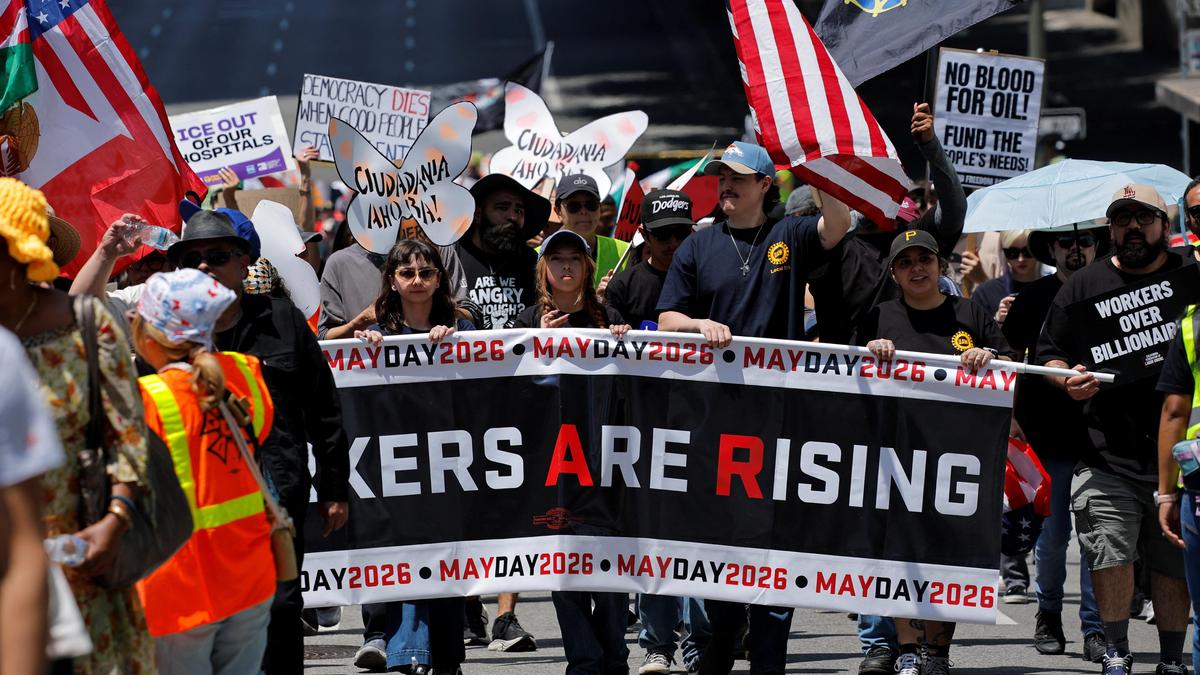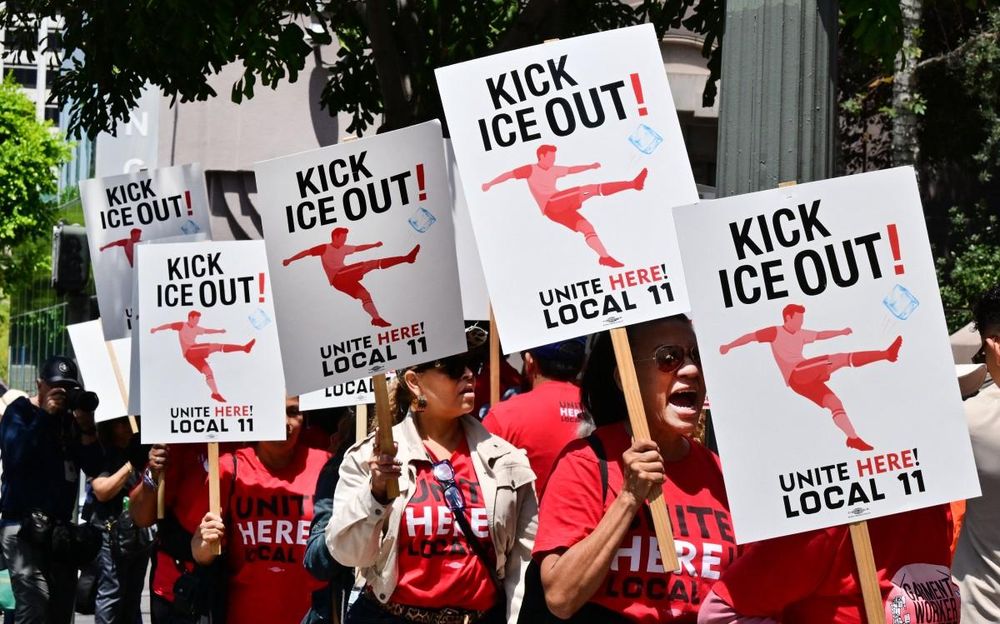
SOFI stadium workers protest outside FIFA World Cup 26 Los Angeles Office calling for ICE to be banned from the World Cup on May 1, 2026.
Richard Santos
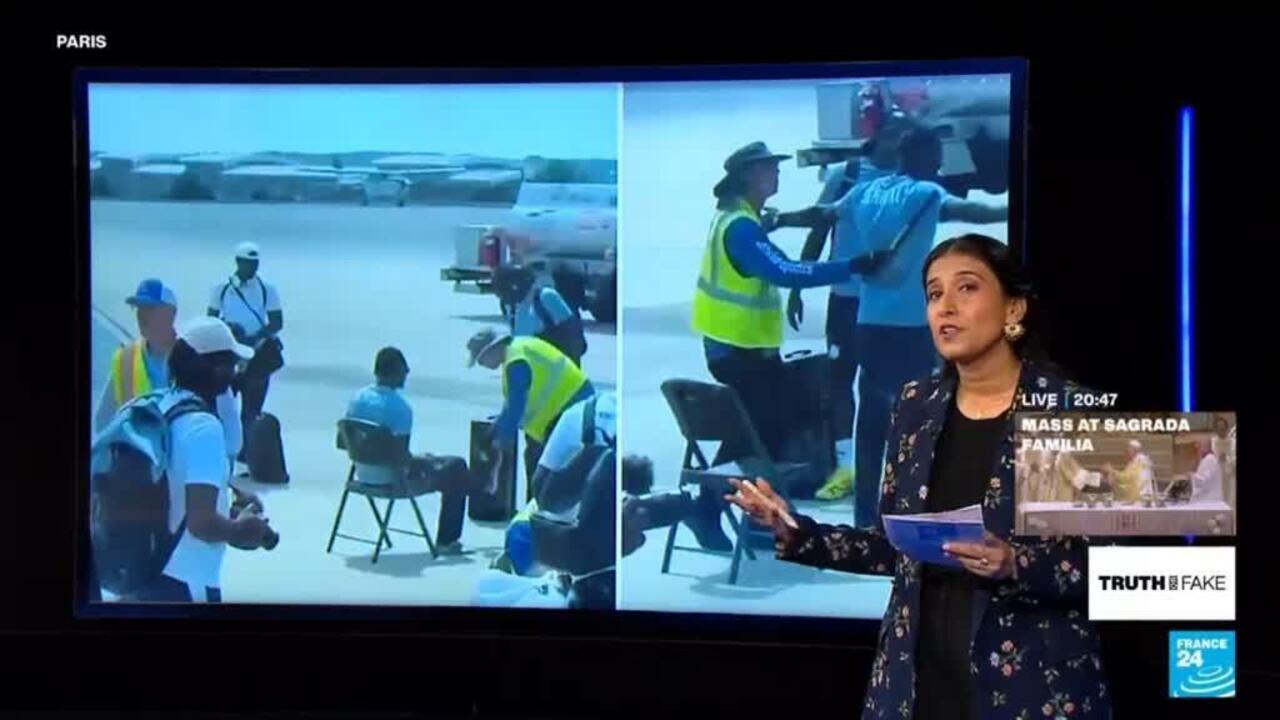
The images of the Senegalese national team being searched by US border agents on an airport tarmac, on the eve of the 2026 World Cup, represent more than just an embarrassing episode. They constitute a powerful metaphor for the historical times we are living in.
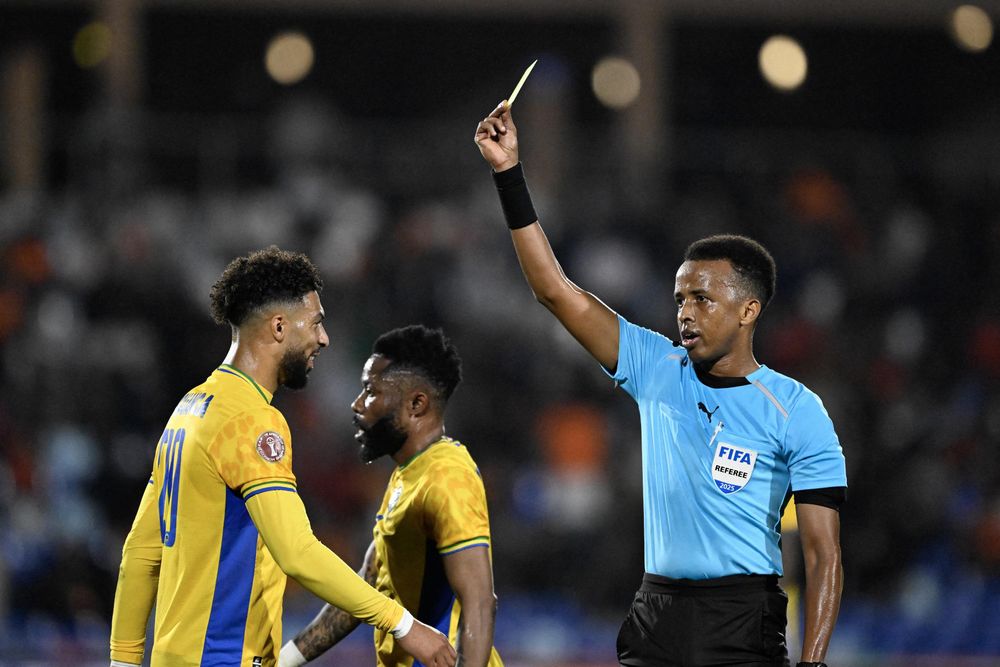
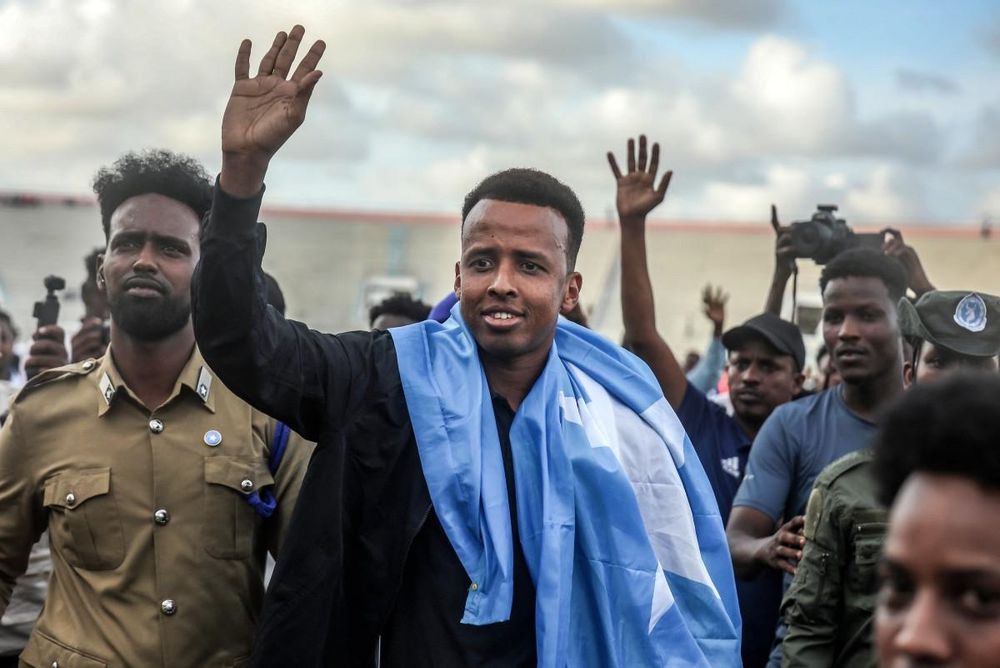
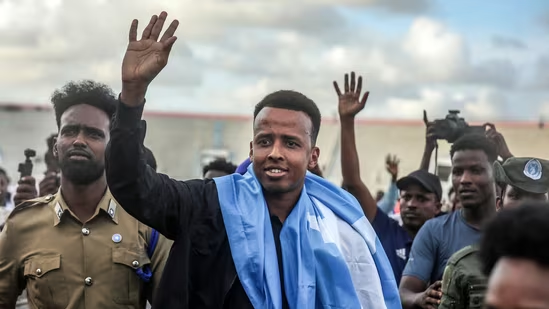
Just days earlier, Iraqi striker Aymen Hussein was subjected to hours of interrogation in Chicago. Then, Somali referee Omar Abdulkadir Artan, voted the best African referee of 2025 and selected by FIFA to officiate at the World Cup, was denied entry to the United States despite possessing proper documentation and accreditation for the event.
Taken in isolation, these facts could be presented as mere administrative procedures or bureaucratic excesses. Observed together, however, they reveal something deeper: the persistence of an international order that continues to classify people, nationalities, and territories according to political, racial, and geopolitical hierarchies.