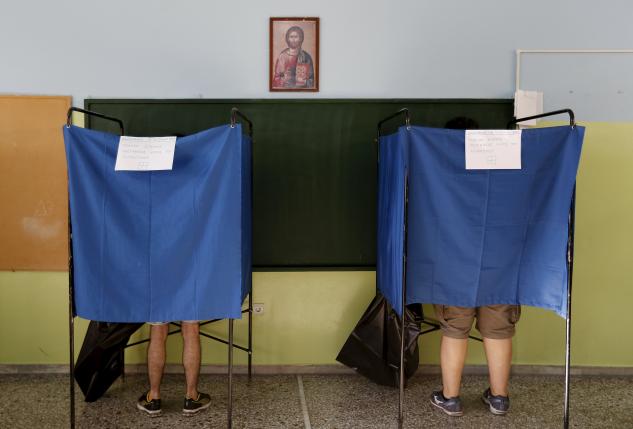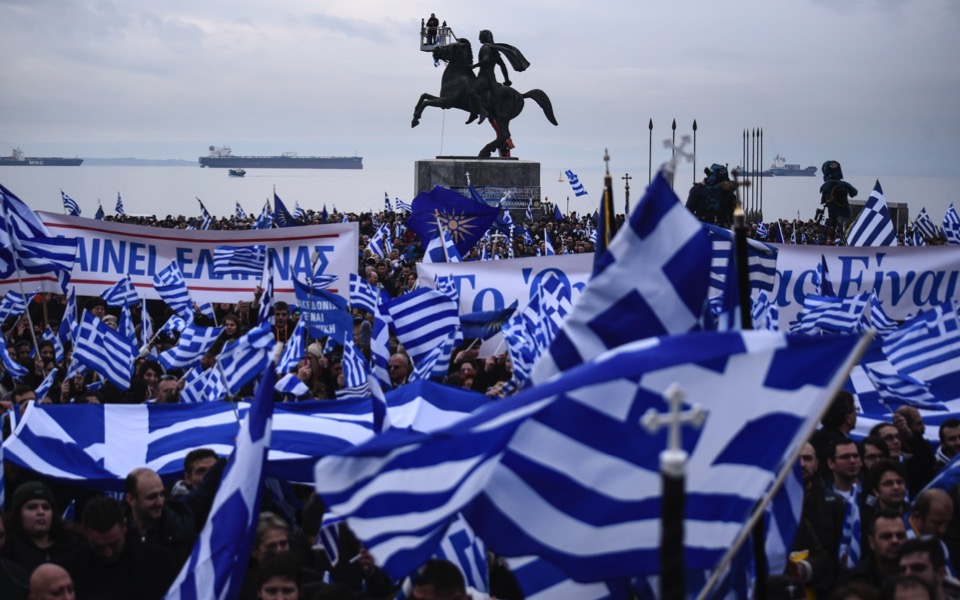
It is no secret that northern Greece has always been more politically conservative than the rest of the country. The proof is in every election map. New Democracy traditionally does very well in Macedonia and Thrace, while parties to its right, from the now-defunct Popular Orthodox Rally (LAOS) to Greek Solution and Niki – and, perhaps, Maria Karystianou’s new party down the line – also tend to resonate more there. The image of a conservative society is further enhanced by tensions over matters of identity and national issues, starting with the massive mobilizations of the 1990s over the name dispute with what is now North Macedonia.
Northern Greece, as everyone knows, had a distinct historical trajectory due to its later incorporation into the Greek state, and Macedonia’s and Thrace’s demographics were radically reshaped after 1922 by the settlement of hundreds of thousands of refugees from Asia Minor. These refugees carried the trauma of displacement, but also a profound need for social rehabilitation. Unsurprisingly, they were overwhelmingly in favor of the Venizelists in the interwar years, supporting a political party identified with land redistribution and a more interventionist state.