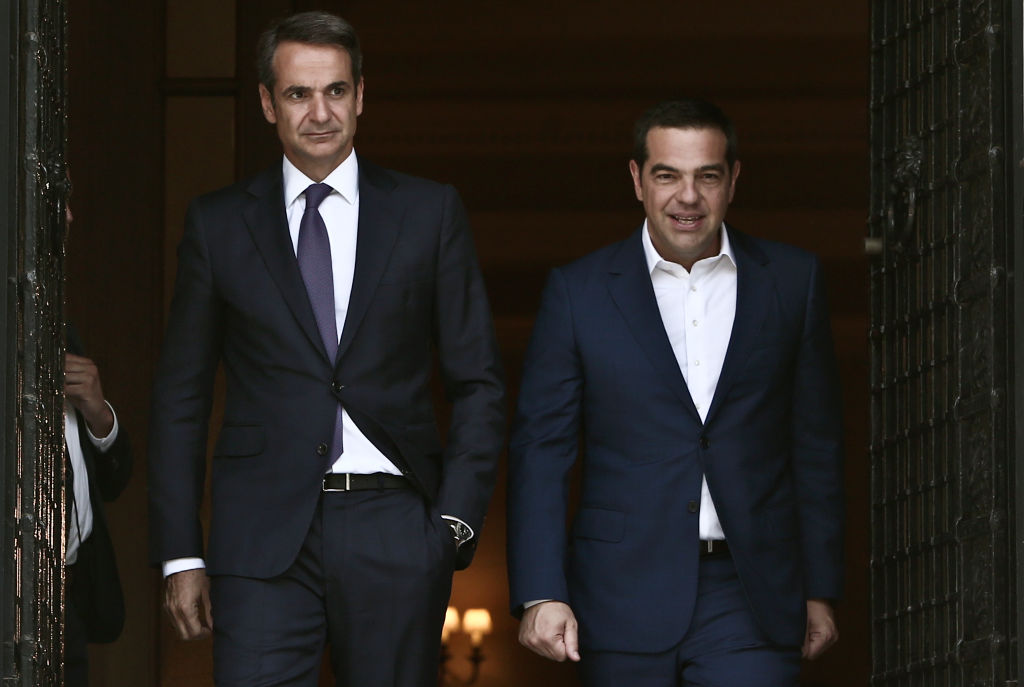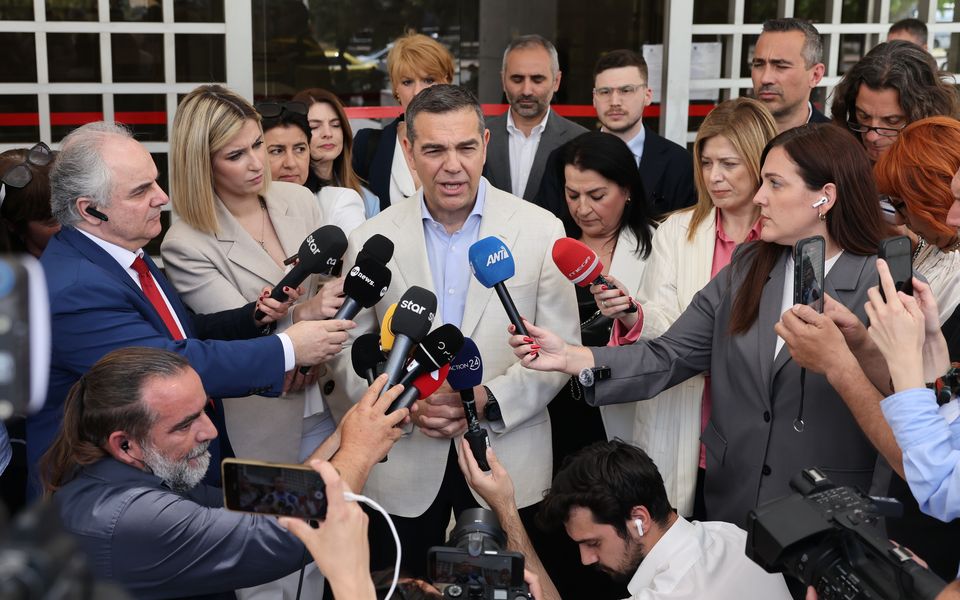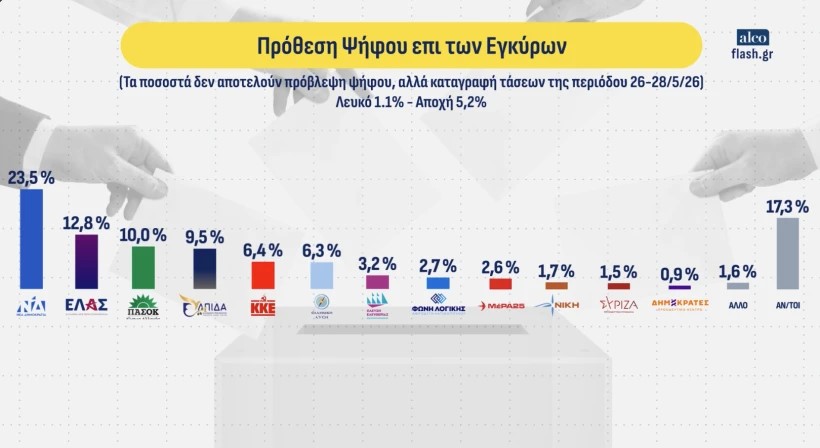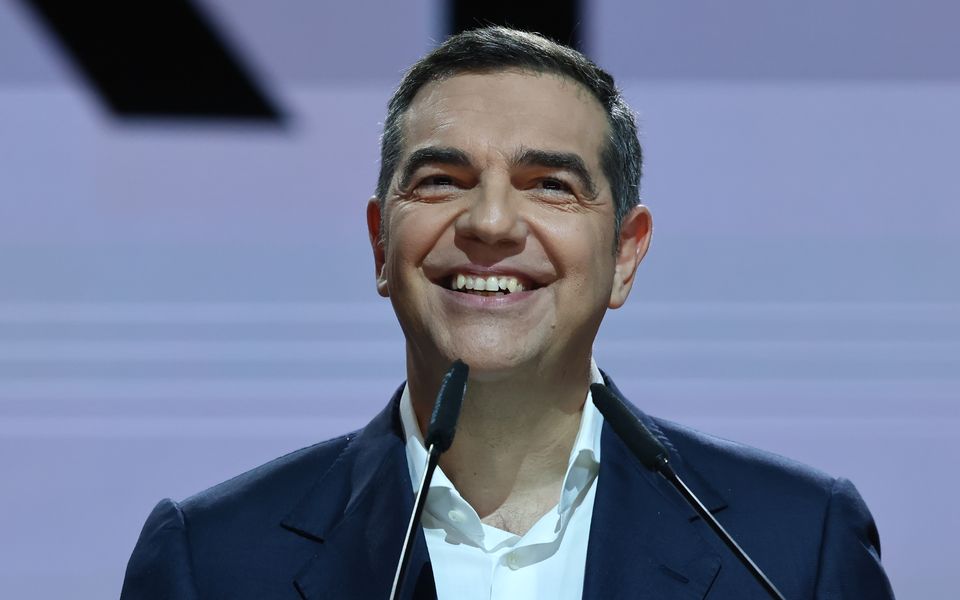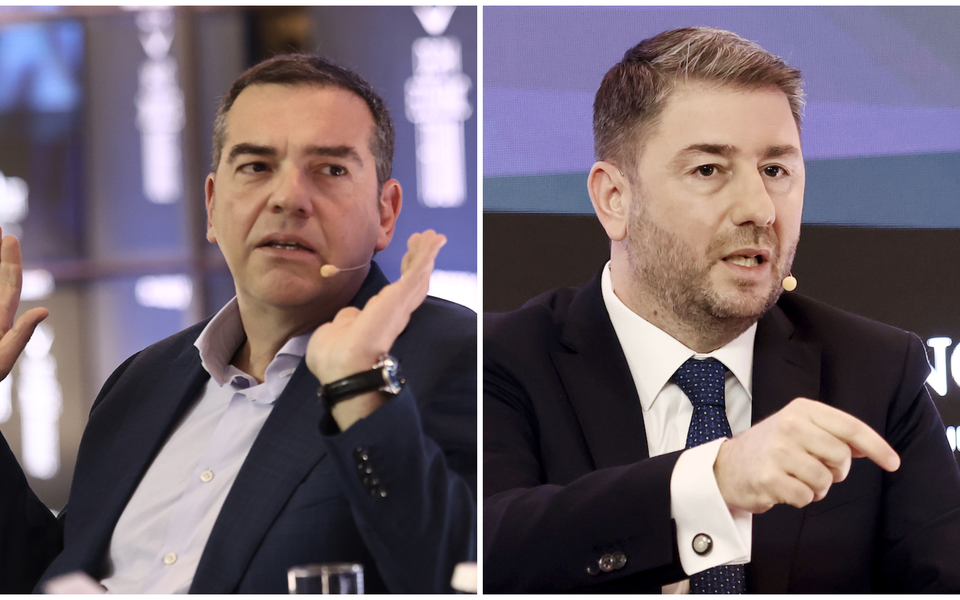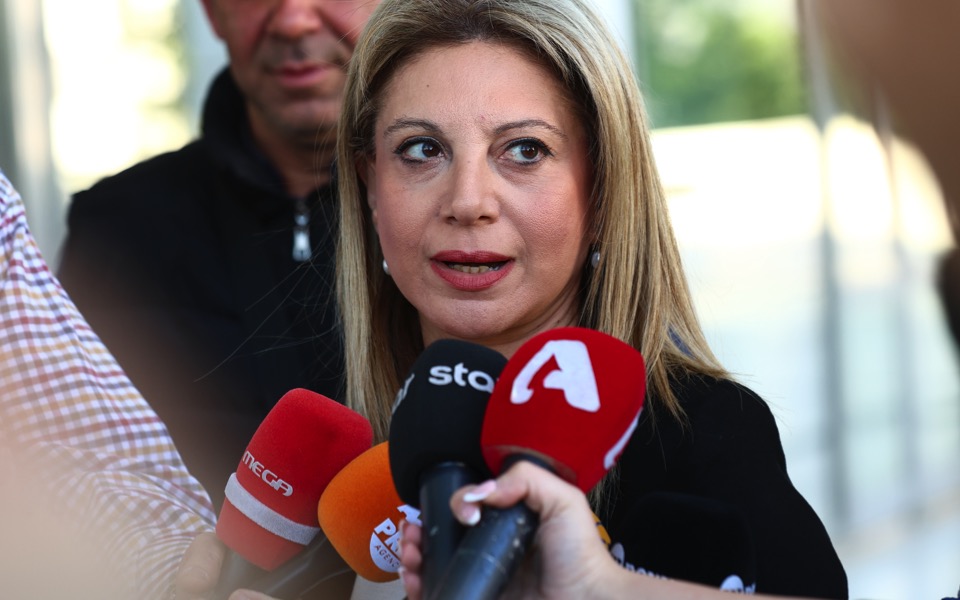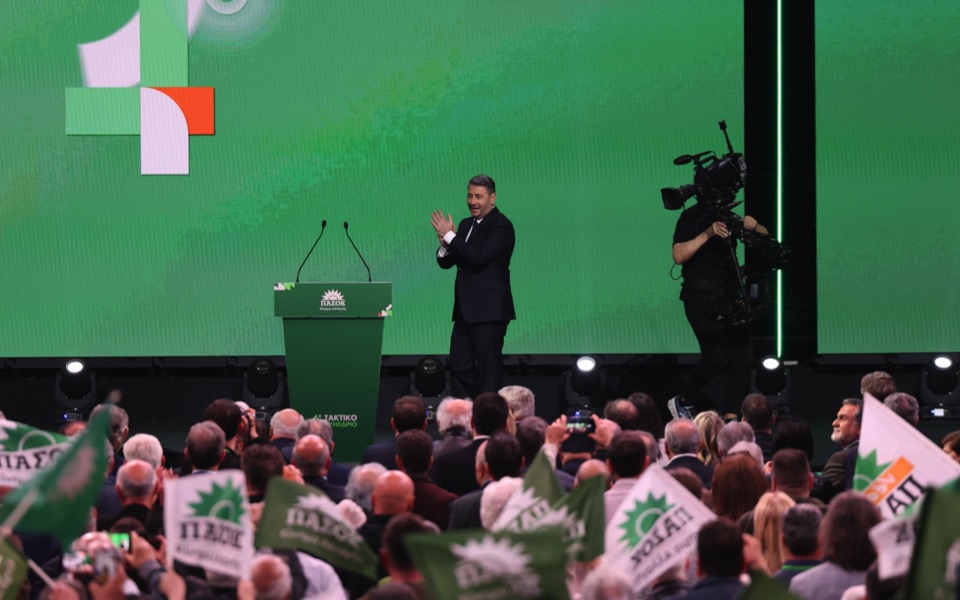
The launch of new political parties by Alexis Tsipras and Maria Karystianou has already increased electoral volatility. Early polling data points to greater voter shifts and an intense battle for second place: Tsipras’ Greek Left Alliance (ELAS) is currently ahead of main opposition PASOK, while Karystianou’s Hope for Democracy is polling in similar territory. Of course, the matter is far from settled – the race has only just begun.
What the early polling data suggests, however, is that PASOK is the party most threatened: It is under pressure from a new formation seeking to appeal to its voter pool in the left and center-left, and also to convince voters that it is a credible alternative to the incumbent New Democracy government. This brings the question of its strategy to the fore: Should it say that it is open to cooperation in advance or keep playing its cards close to its chest? The answer is clear: PASOK has nothing to gain from engaging in this discussion in the current circumstances.
Political parties are rational actors. Preelection, they seek to maximize their electoral strength, not only to expand their social and political influence but also to go into any postelection negotiations from a stronger position.