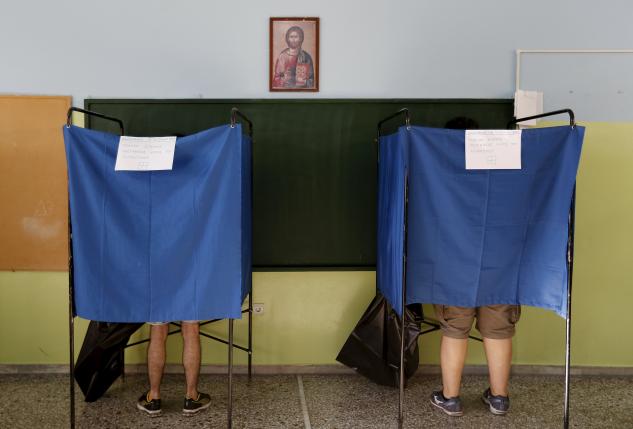
Let’s say a young person is undecided and does not yet know who to vote for in the next election. The conservative government, on a daily basis, demonstrates its establishment mentality: it becomes embroiled in scandals and subsequently seeks to cover up its role by every possible means (including delays in the implementation of Contract 717, a €41 million EU-funded project to modernize Greece’s rail network, the spyware scandal, or the EU farm subsidies scandal), while distributing direct contracts to insiders and showing indifference to citizens’ everyday concerns (wages and working conditions in seasonal employment, inflation, housing costs, public transport, and the lack of support for young families).
The new voter is left choosing between a party that has become fully identified with the state after years in power, and three parties competing for second place
PASOK, the main socialist opposition, while it includes some new figures who could be inspiring, is weighed down by outdated leadership and adopts conservative, hesitant positions on nearly every issue – its preferred vote is the abstention (“present”) – making it difficult to present itself as a credible governing alternative.