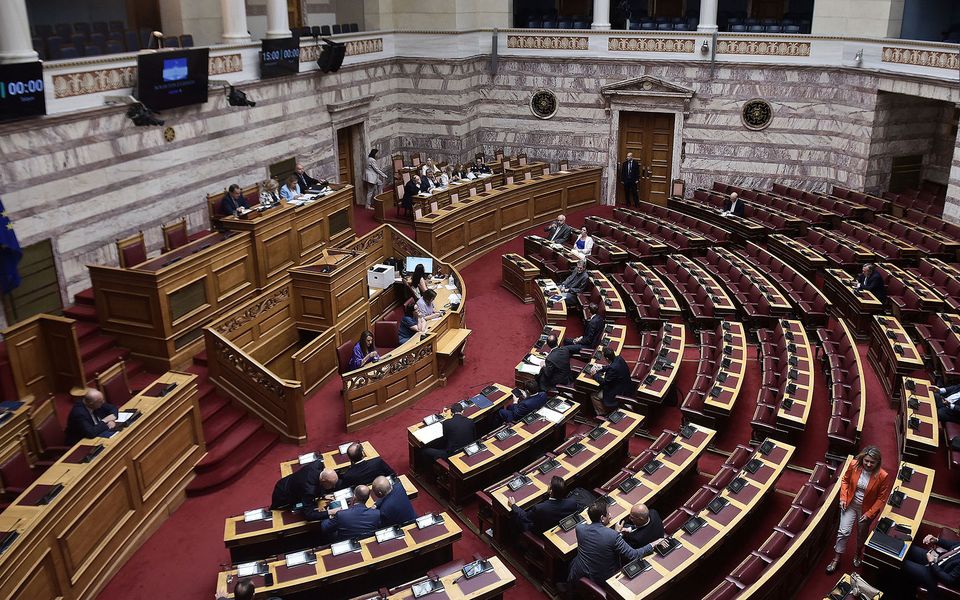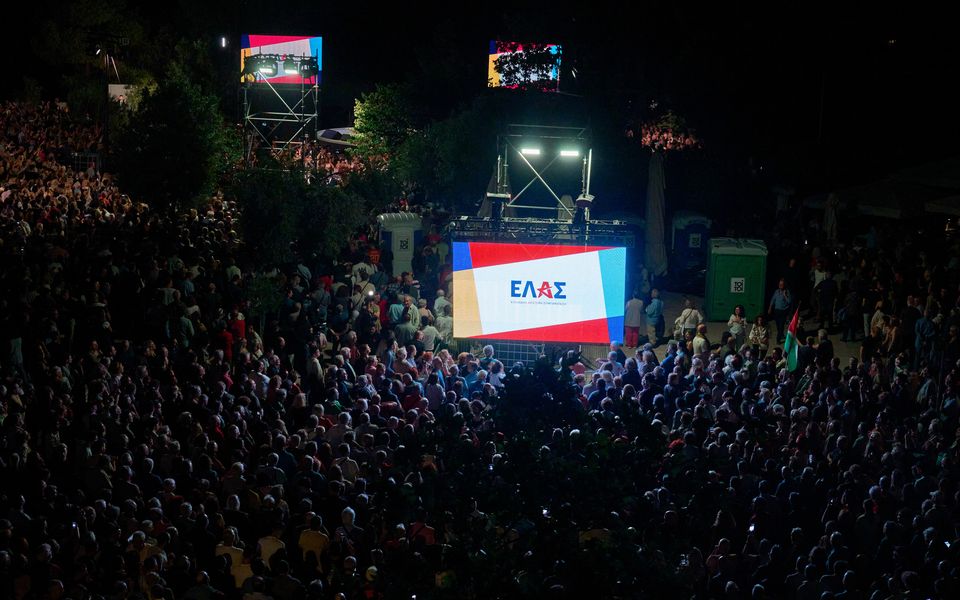
It is quite strange: The more parties we have, the poorer our political life seems to become. There is the breakdown of SYRIZA, new parties with founding declarations that resemble school reports, others that are a blast from the past, new parties that declare in every possible way that they belong to the past, several others crowding on the right of the right and on the left of the center, and a “gray zone” of undecided voters hovering at 13.5% and competing for second place in the polls.
It is not a coincidence that “younger people are overrepresented” in this unspecified vote, with more than two thirds belonging to the age groups 17-34 and 35-49, according to a recent poll presented by Kathimerini. This 13.5% is a percentage that can significantly influence the election result.
The political noise generated by analyses, assumptions and speculations about the correlations between parties is bigger than the actual political content. That is, movements on the political chessboard fall short of the development of strategies that create expectation for the future – an expectation that is linked to a new perspective and not to the reproduction of platitudes.
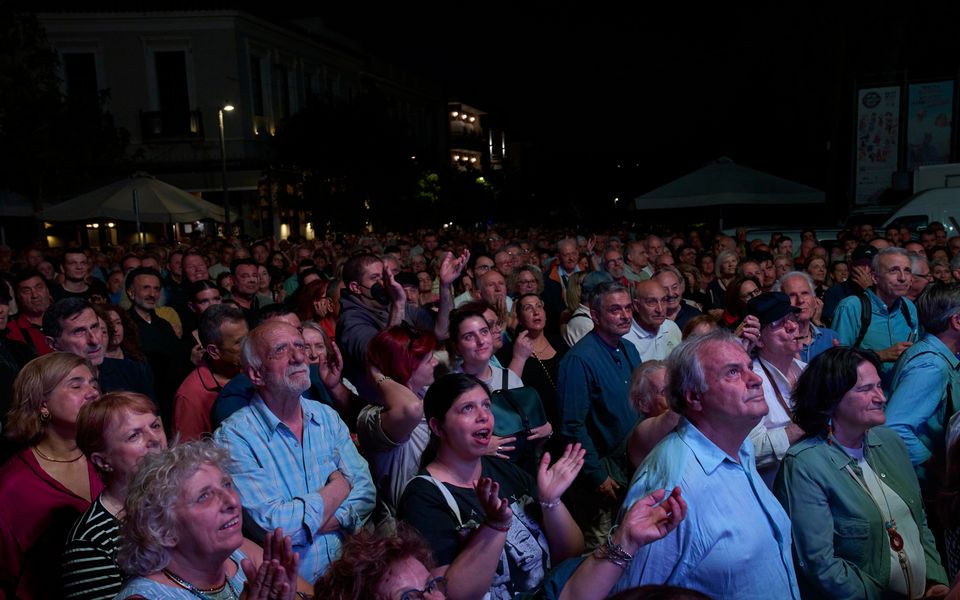
Waving your hands up and down with the enthusiasm of a neophyte or applauding your positions is not a political move, neither is blaming the polls for your party’s slide to third place (and maybe even worse) proper political discourse. In the same way, the pressure that society is under from generalized inflation cannot be cured by the government’s vague response that it is “monitoring the situation” and doing all it can.