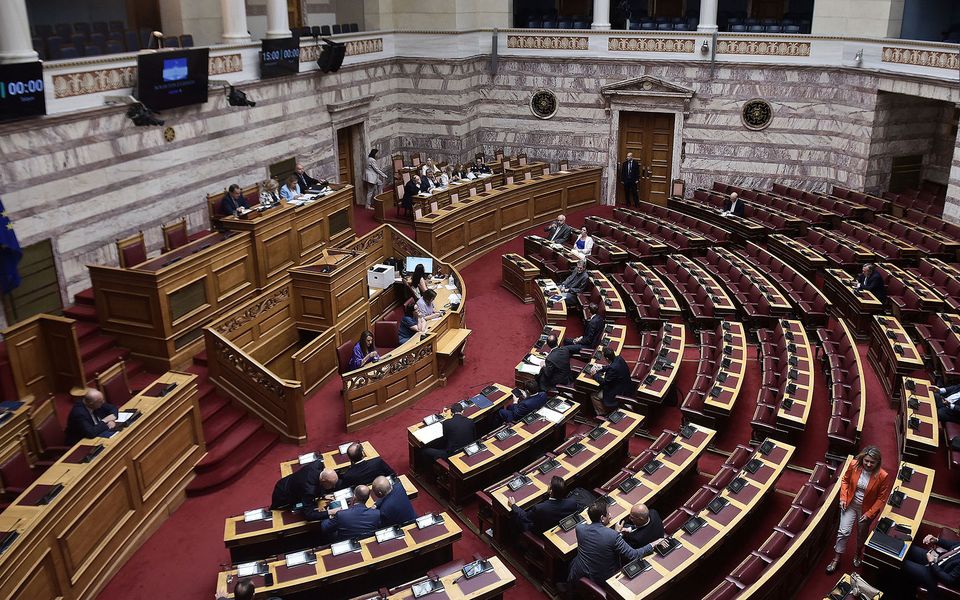
Let’s say a young person is undecided and does not yet know who to vote for in the next election. The conservative government, on a daily basis, demonstrates its establishment mentality: it becomes embroiled in scandals and subsequently seeks to cover up its role by every possible means (including delays in the implementation of Contract 717, a €41 million EU-funded project to modernize Greece’s rail network, the spyware scandal, or the EU farm subsidies scandal), while distributing direct contracts to insiders and showing indifference to citizens’ everyday concerns (wages and working conditions in seasonal employment, inflation, housing costs, public transport, and the lack of support for young families).
PASOK, the main socialist opposition, while it includes some new figures who could be inspiring, is weighed down by outdated leadership and adopts conservative, hesitant positions on nearly every issue – its preferred vote is the abstention (“present”) – making it difficult to present itself as a credible governing alternative.
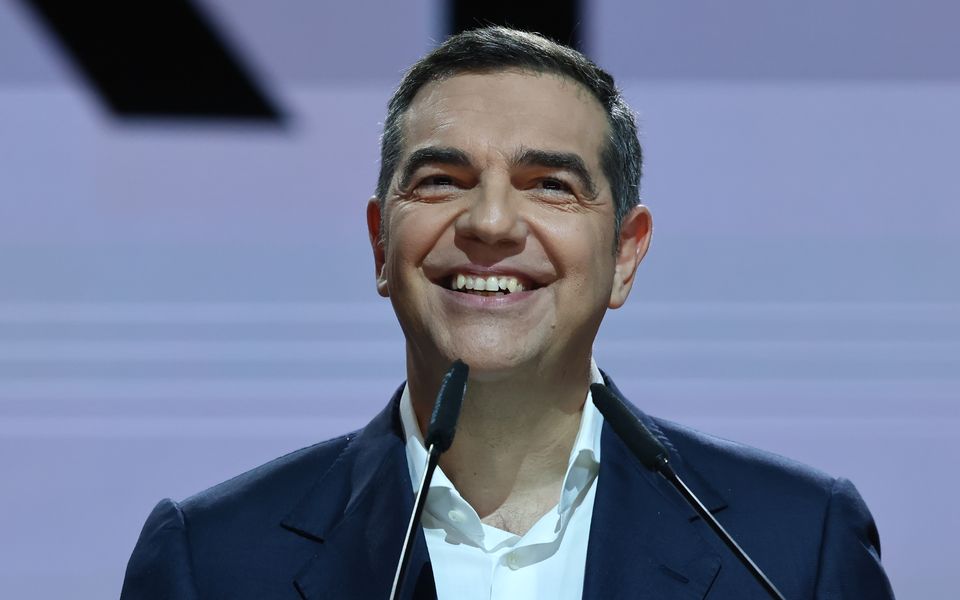
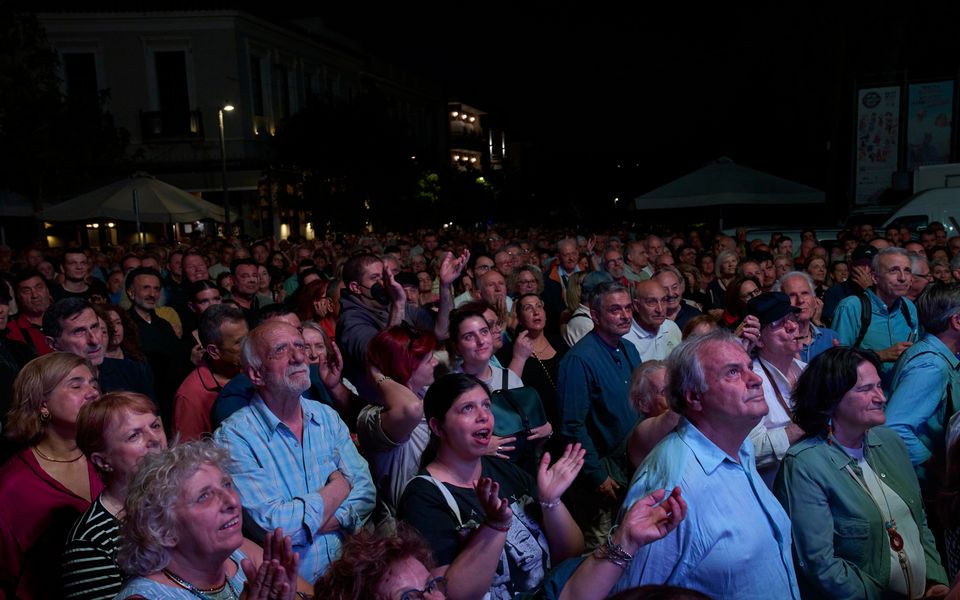
Alexis Tsipras, the former prime minister who on Tuesday unveiled his new party, the Greek Left Alliance (ELAS), appears intent on fitting everything into his fledgling formation: a touch of centrist rebranding, a dose of radical left rhetoric, a nod to admirers of late PASOK founder and socialist prime minister Andreas Papandreou, and perhaps even a wink to nationalists who resent the Russophilia of Maria Karystianou. Karystianou, who rose to prominence as an activist after the Tempe train crash and has recently launched her own party, Hope for Democracy, claims authentic Eurosceptic anti-establishment credentials, delegating her representation to an apologist for Russia’s invasion of Ukraine. In this way, Greek Solution, Niki, Course of Freedom, and other parties can step aside to make room for her Hope for Democracy, which addresses the entire Greek Orthodox community “from Ukraine to Syria,” as actress Katerina Moutsatsou, a supporter of the initiative, has put it.