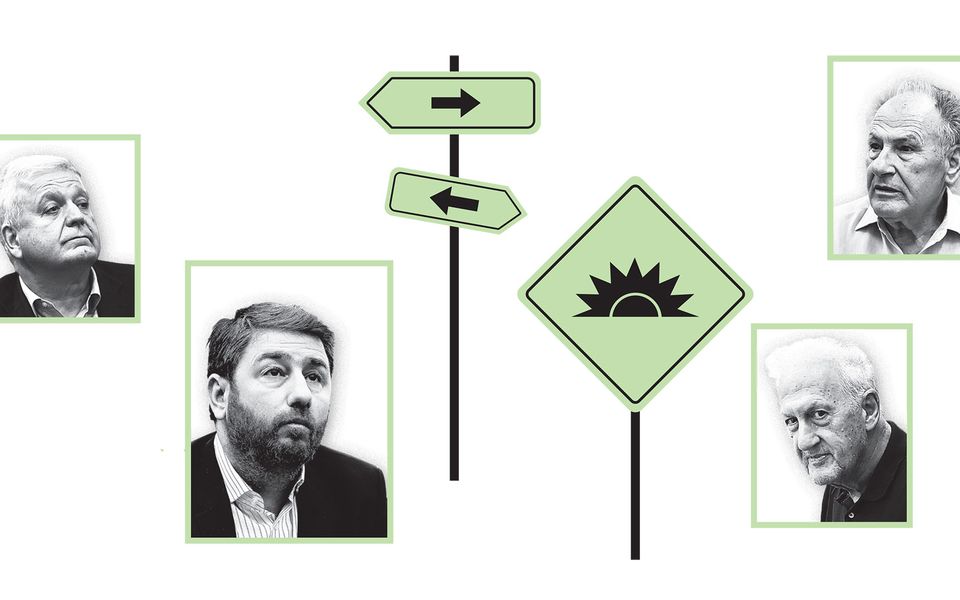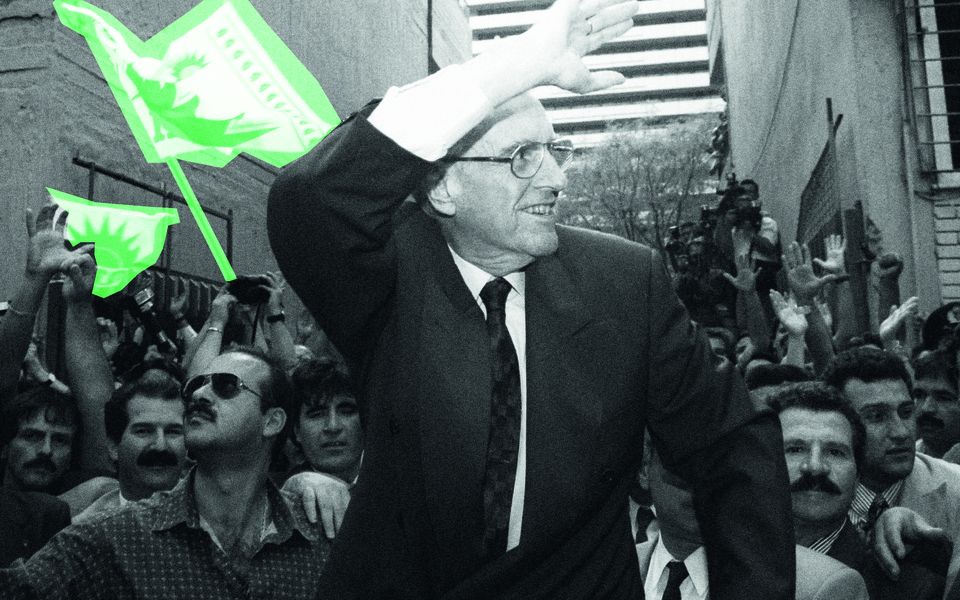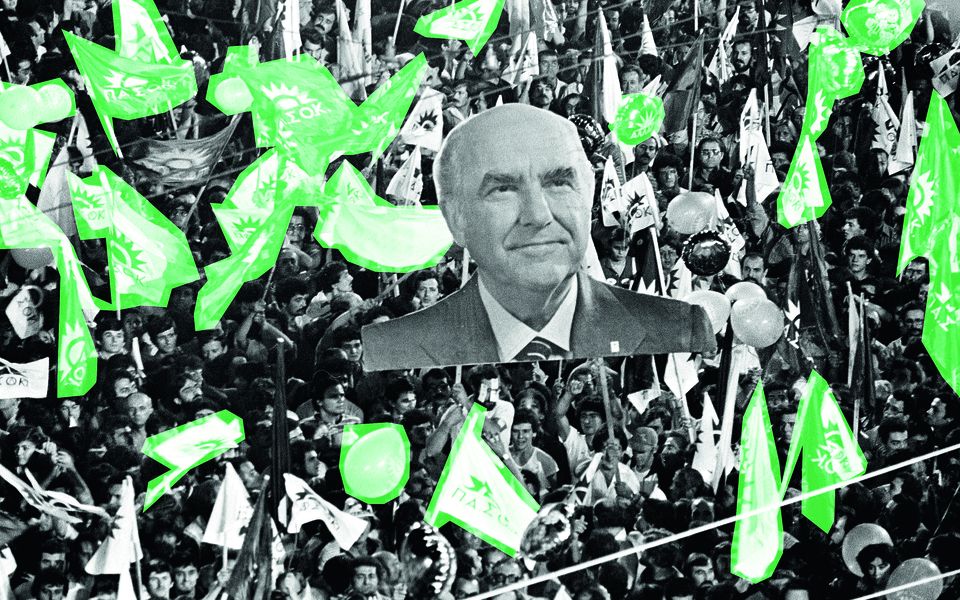
Various political scientists have delved into what appears to be a Greek paradox. In 1974, PASOK received 13.6% of the vote. Seven years later, in 1981, it got 48%. Conventional wisdom supports that a party’s appeal grows when it shifts closer to the center and the average voter. The socialist party’s leader, Andreas Papandreou, did the exact opposite. He did not set out to create a social democracy along Spanish or French lines; he moved to the left, building a radical profile that brushed shoulders with the Greek Communist Party (KKE). The most convincing explanation in my mind – no matter how functionalist it may sound – is that this strategy was all the better to serve the right/anti-right divide that effectively allowed PASOK to dominate Greece’s political scene throughout the 1980s.
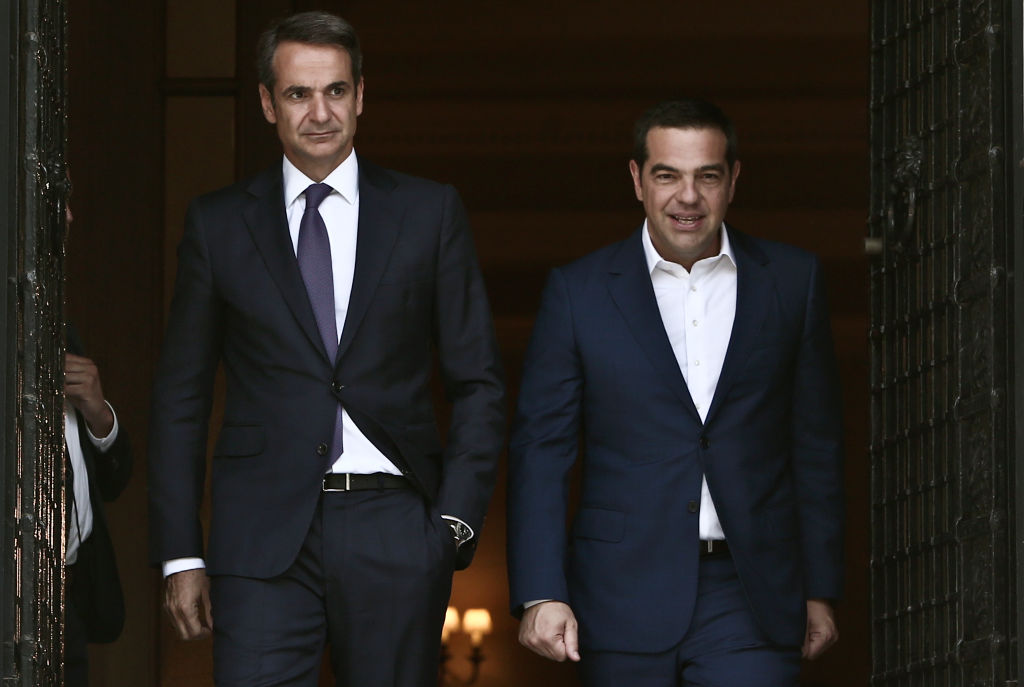
An almost inverse paradox is shaping up these days around former prime minister Alexis Tsipras. We would have expected the politician most closely associated with the radical left in recent years to take inspiration from its international role models, from Zohran Mamdani to the new progressive movements in the United States and Europe. Even though he has publicly expressed his support and admiration for the recently elected New York City mayor, Tsipras chose to push aside the symbols of the contemporary leftist movement in favor of references harking back to the historical Greek left and a more institutional, center-leaning version of it. What explains this decision?