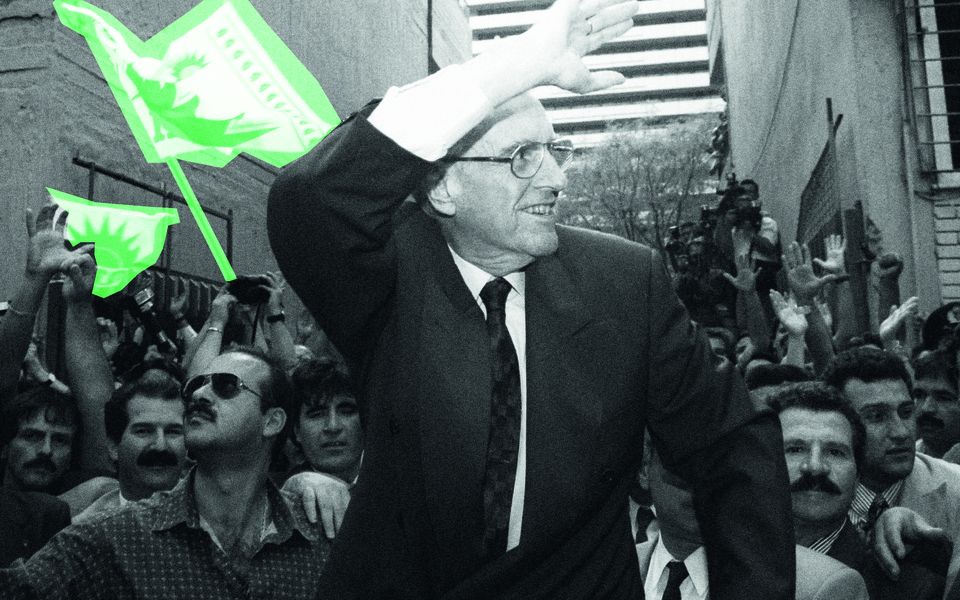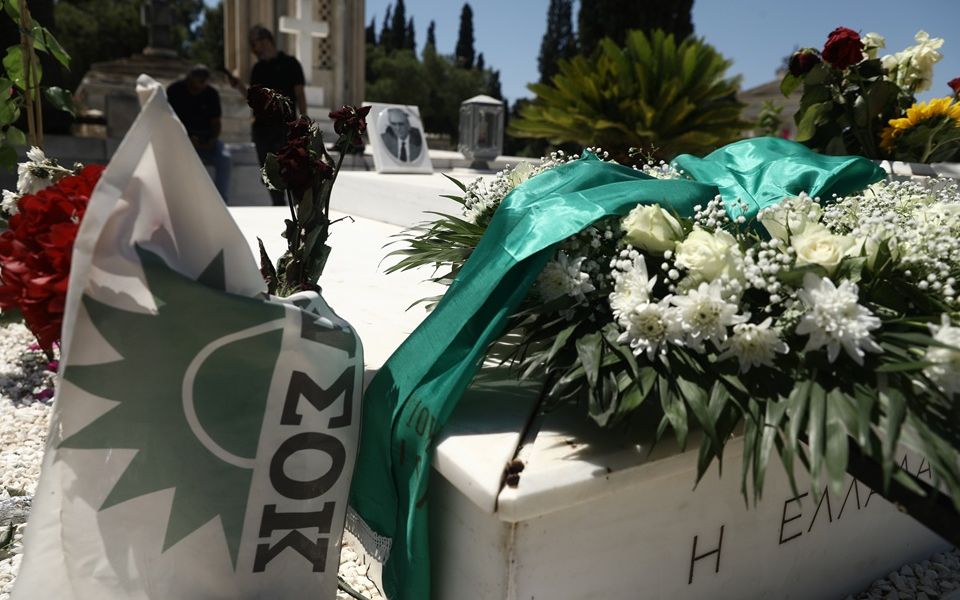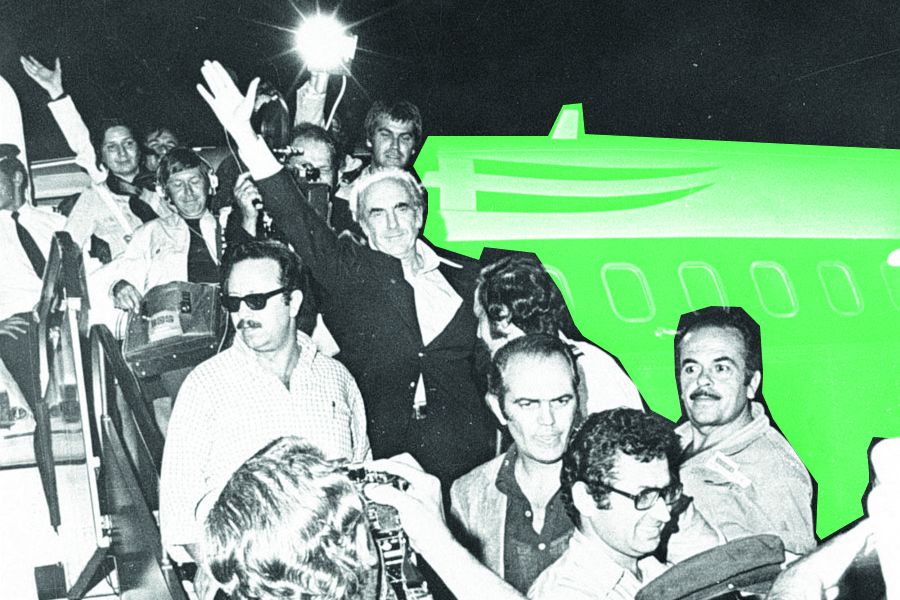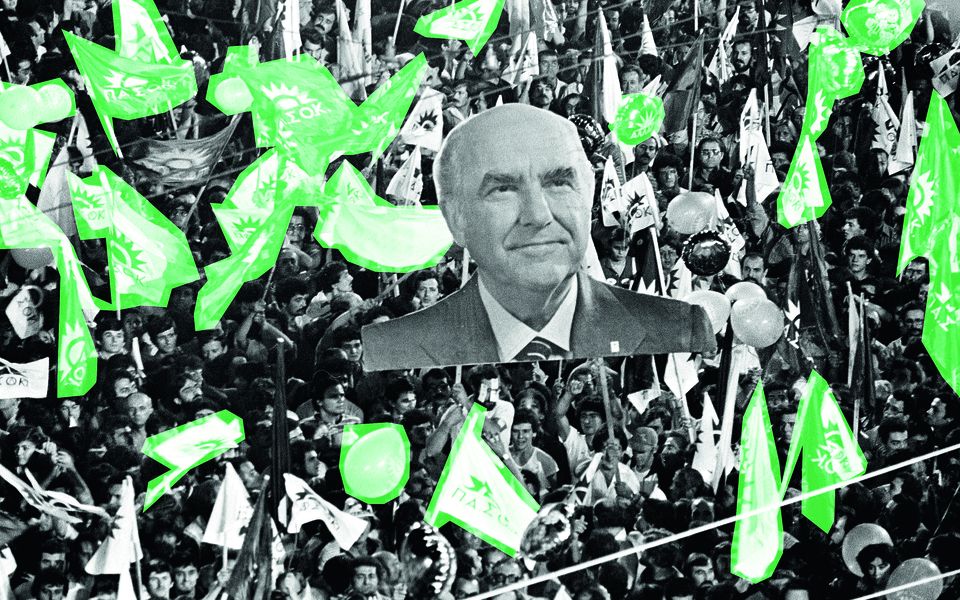
Thirty years after his death, former premier and PASOK founder Andreas Papandreou remains less a figure of the past and more a political benchmark. The durability of this reference is not due only to the power of the surname or the nostalgic recycling of an era. It is linked to the fact that, 50 years after the restoration of democracy in Greece in 1974, Andreas – as he is familiarly known to all Greeks – and the governments of the 1980s still occupy a privileged position in the social perception of the Third Republic.
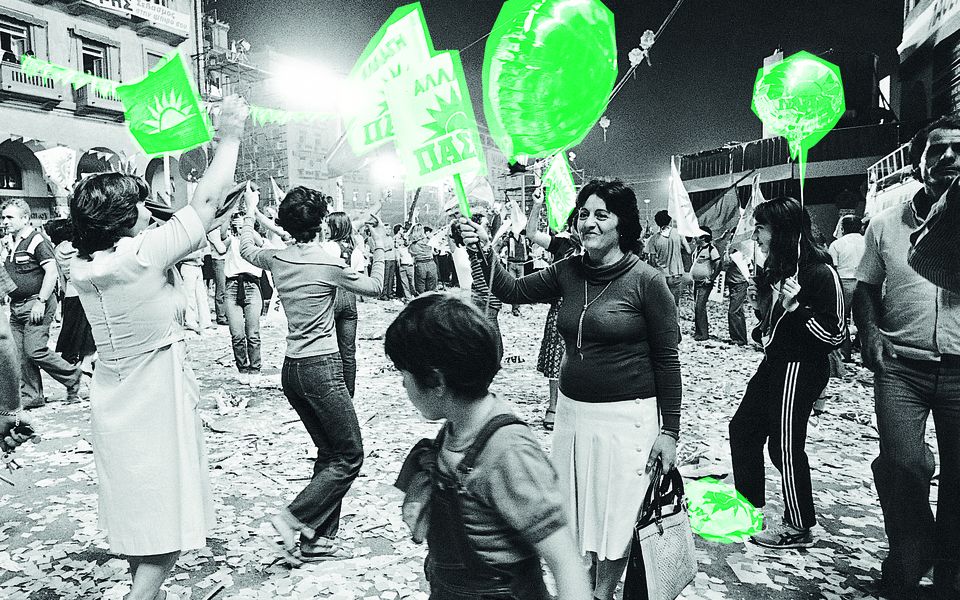
Research on the 50th anniversary since 1974 recorded that PASOK is considered the party that left its mark most strongly on the so-called Metapolitefsi (as it is known in Greek), while the 1980s seem to be increasingly viewed as a decade of political vindication. The year 1981, when PASOK first came to power, is not simply valued as a change in government, but as a historical shift, with the election of a left-wing party for the first time, the mass entry of the underprivileged into the political arena, the change in the physiognomy of the state, the creation of real competition between parties, and the change in the very aesthetics of the times.
This is the deeper reason why Andreas acquired so many imitators. Not everyone imitated the same thing: Some attempted to inherit his faction, others his style, others his rhetorical conflict with the centers of power, and others his ability to transform social demands into a personal bond between the leader and the people.