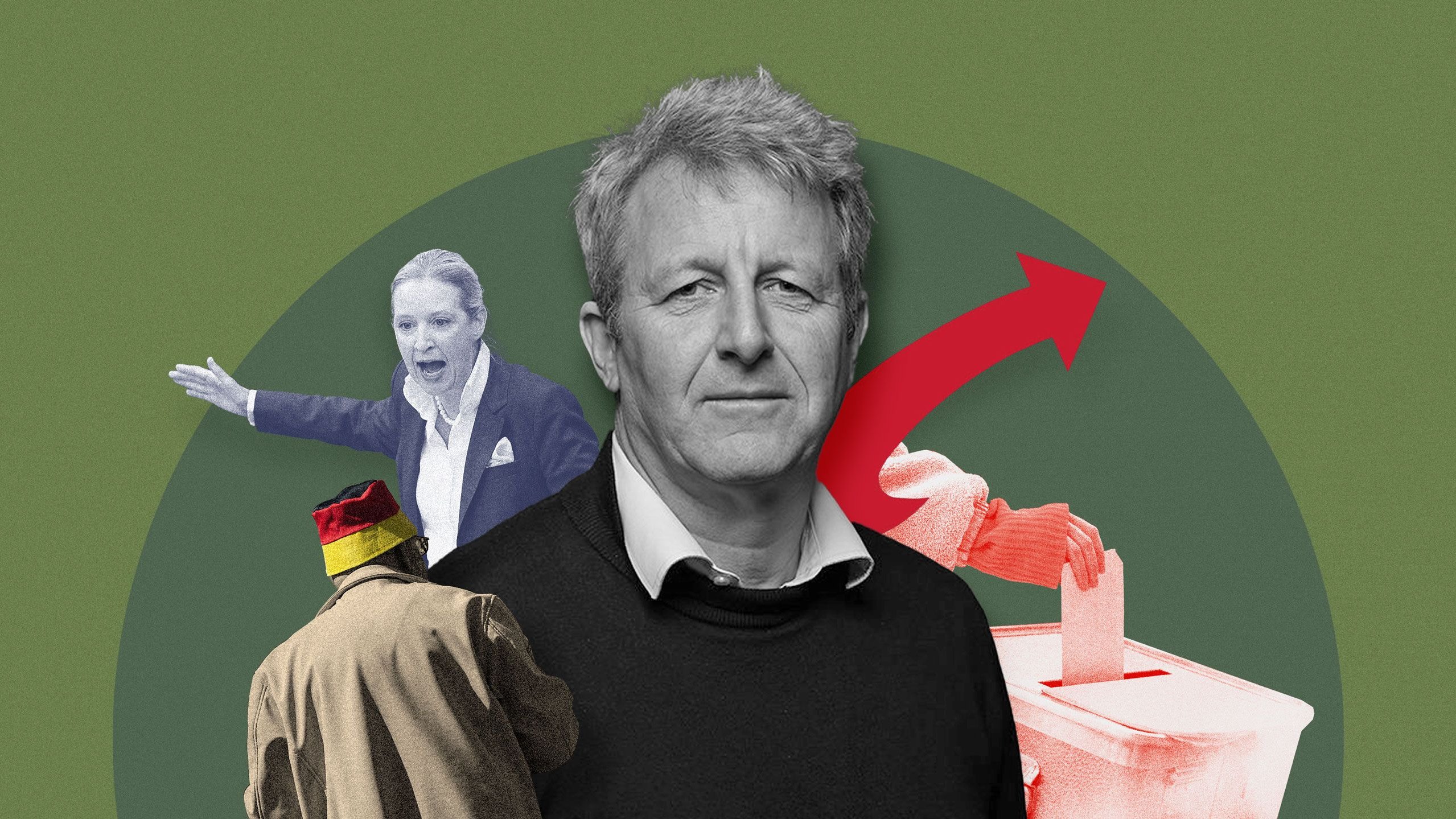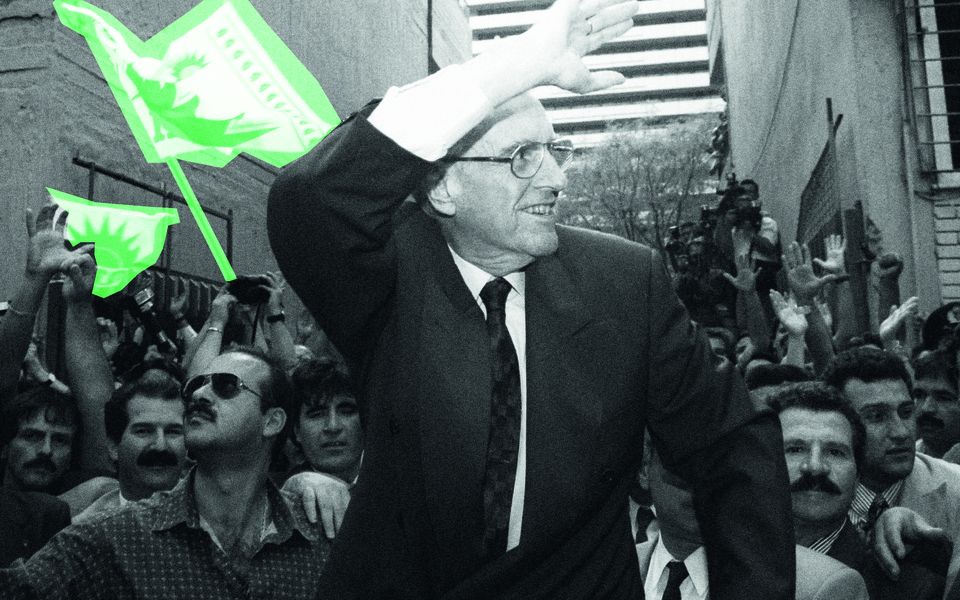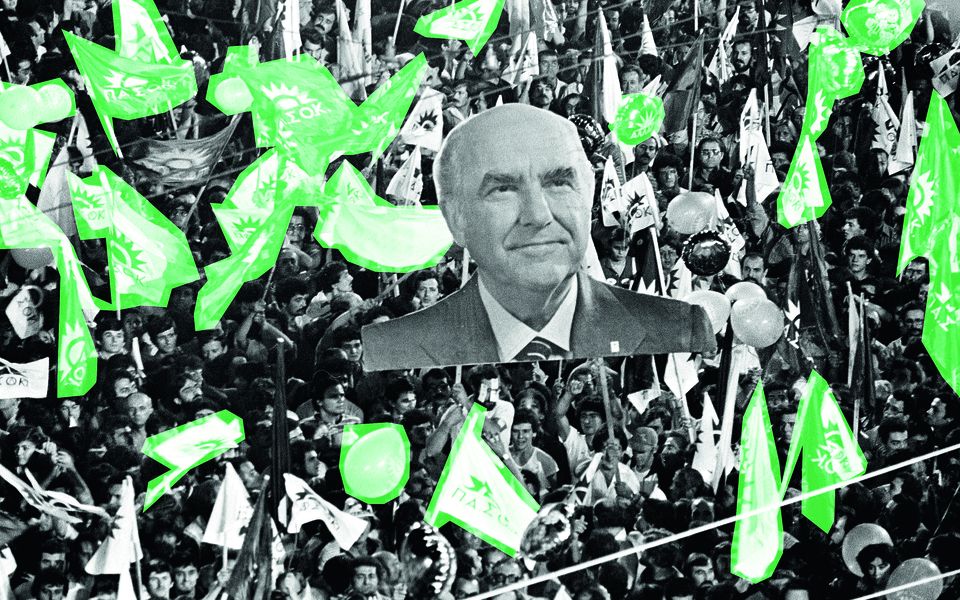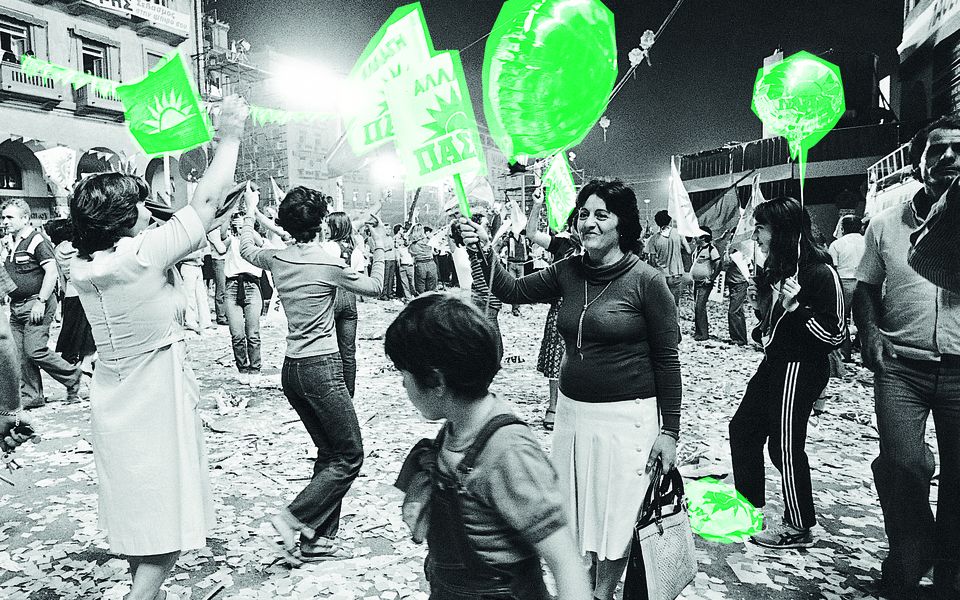
I asked a (German) student of mine to ask (in English) an artificial intelligence platform to name the three most populist Greek political leaders. Andreas Papandreou came up first. I repeated the exercise on another platform and got the same answer. Thirty years after his death, the founder of PASOK remains the archetypal populist Greek politician. Was he? You may ask, “Is that what we’ll talk about?” Well, yes.
To answer the question, it would be, I believe, right to define the term populist. I will borrow political scientist Cas Mudde’s definition, not because it is the best, but because it is the most prevalent – and therefore the one that gives more meaning than the rest to the discussion about populism. Populism, then, according to Mudde, is the “subtle ideology” that divides society into two homogeneous and antagonistic camps, the pure people versus the corrupt elite, and demands that politics express the general will of the former. The good thing about this definition is that, to a certain extent, it does not throw everything we don’t like into the populist pulp. Not all the evils of politics are necessarily populisms.
Based on this definition, I think the answer to the question of whether Papandreou was a populist is not clear. It may, in fact, be negative. A clarification is needed here. Papandreou certainly possessed many of the characteristics that we today associate with populism: charismatic leadership, direct appeal to the people, simplistic slogans, a political narrative that often divided the world into friends and opponents. But these are primarily characteristics of political style and communication. The main question is whether the core of his political thought was organized around the fundamental populist opposition between people and elites. And the answer to this question is not as obvious as we usually assume.