A brief study of the party systems in established democracies shows us that the ideological distribution of parties is not equal: The parties on the left of the political spectrum usually outnumber the others. The reason is that the left cares a lot more about ideology and differences matter a lot.
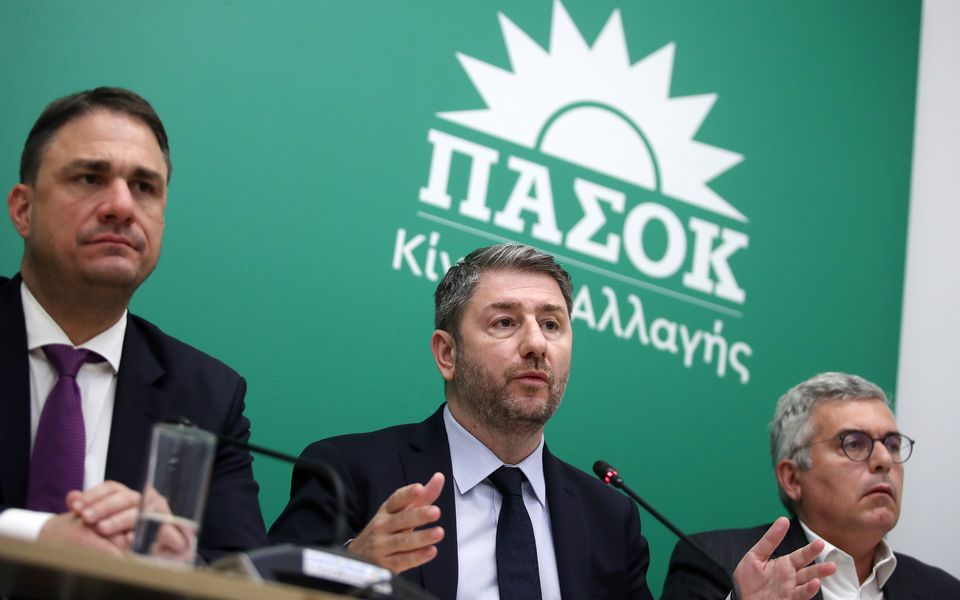
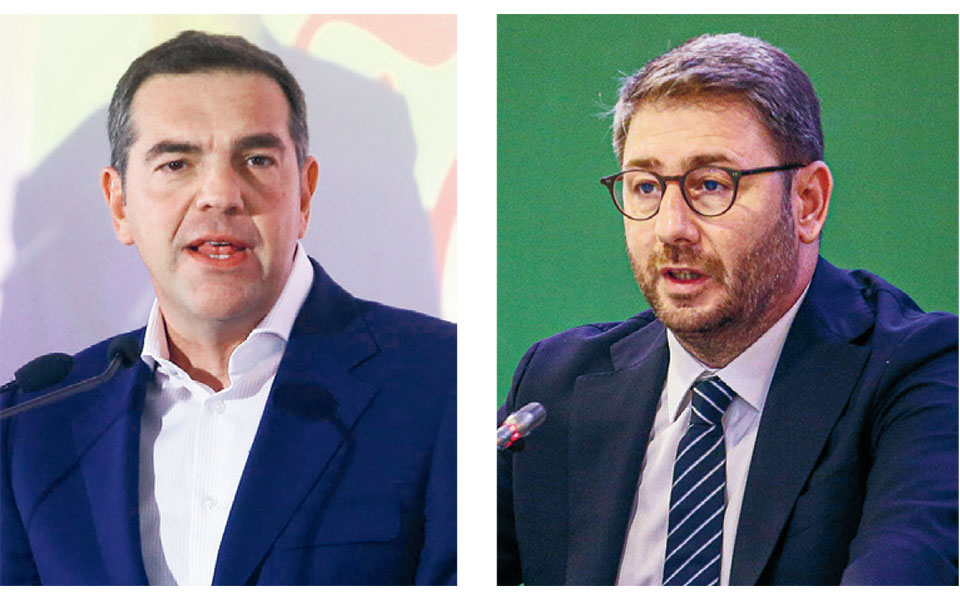
How many ideological differences can Greece’s center-left really put up with nowadays? There are four parties occupying that space – SYRIZA, New Left, PASOK and the party expected to be launched by former prime minister Alexis Tsipras – and their ideological divisions seem negligible. If we had to explain why there are so many, the answer would lean more heavily toward personal rivalries and trajectories than toward distinct ideological identities. This may seem sacrilegiously reductionist to a leftist, but the rapid flow of the political current leaves us little time to pick up the magnifying glass to document what differences there are.
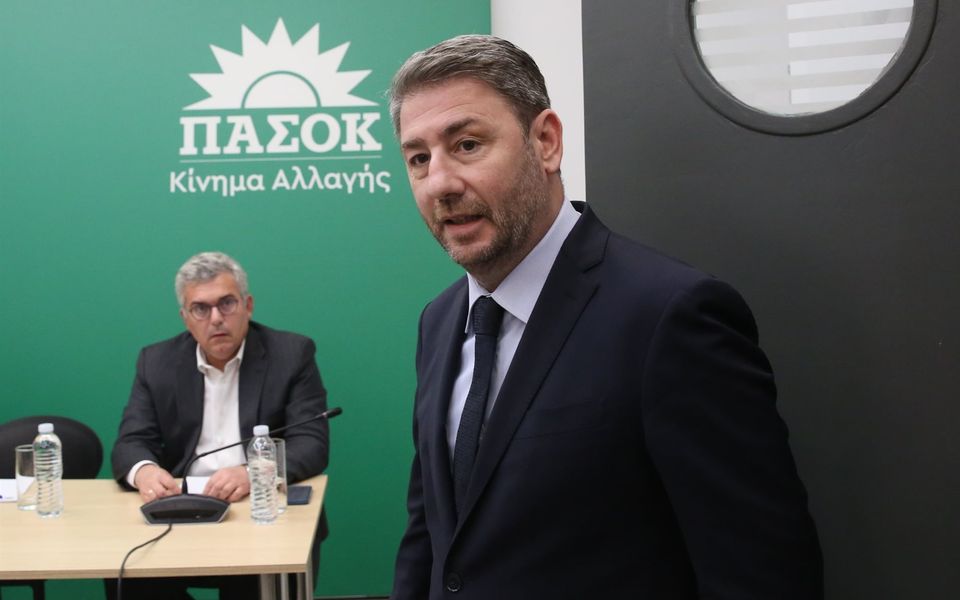
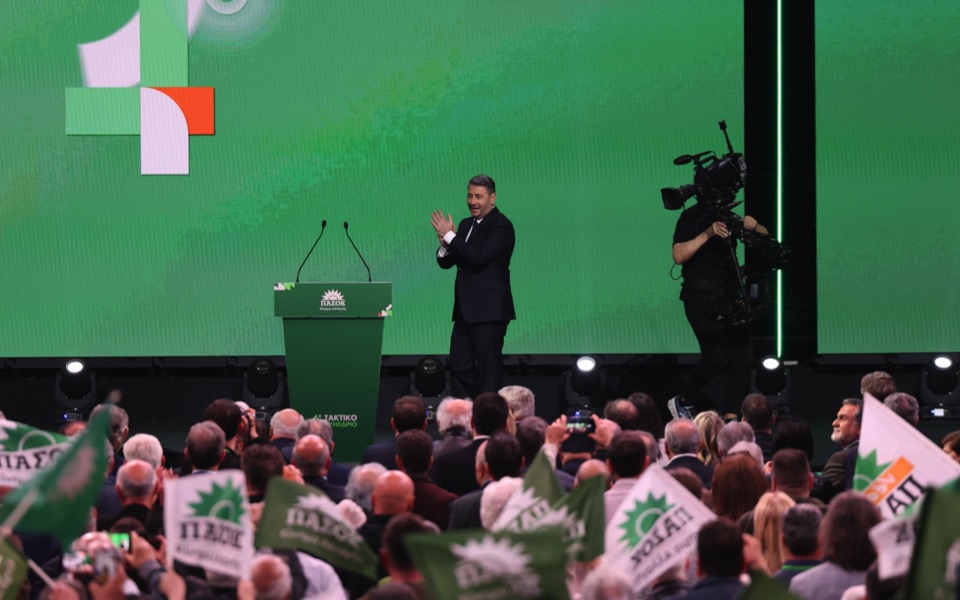
Let’s boil it down and move on. The map of Greece’s center-left seems to have two focal points. One is occupied by Alexis Tsipras, whose momentum makes it likely that his new party will absorb both SYRIZA and New Left. The other belongs to PASOK, which is holding its ground, without tapping into the voter pool to its left. Therefore, let’s ponder these four parties as two. The question that emerges is: How different are they from an ideological standpoint and how much will this influence how people vote?