Every day, millions of Nigerians rely on our network to learn, work, trade, and stay connected. Yet, behind every call, every transaction, and every digital interaction lies a question that every business must now confront: how do we power growth without compromising the future of the environment?
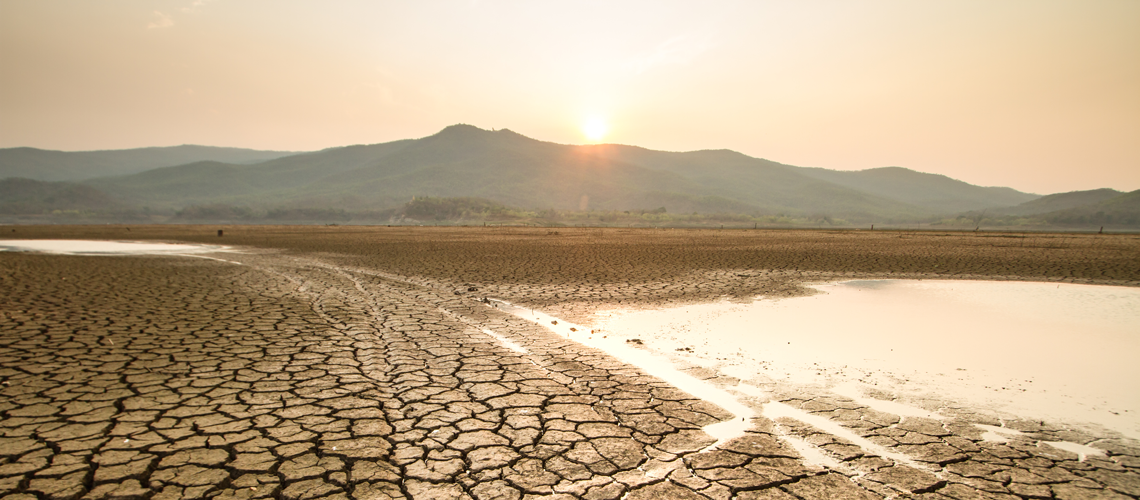
I was reminded of this recently while visiting one of our operations in a rural community. Beyond the infrastructure that keeps people connected, I heard stories from residents of what appeared to them to be increased flooding, prolonged heatwaves, and the growing impact of climate-related disruptions on livelihoods. It reinforced a truth that we are becoming more familiar with: climate change is no longer a distant challenge; it is already shaping the lives of millions around the world, including in Nigeria.
As the country advances its economic, industrial, and digital transformation agenda, environmental sustainability must remain central to that journey. The Climate Change Act has provided a strong policy foundation. The responsibility now lies with businesses, citizens and other stakeholders to translate those commitments into action.
For the telecommunications sector, this responsibility is especially significant. Connectivity powers economic opportunity, financial inclusion, education, healthcare, and innovation. But it also requires substantial energy infrastructure. Historically, much of that infrastructure has depended on diesel-powered generation due to limited grid reliability across many parts of the country.