Climate change is no longer a distant environmental concern discussed only in global policy circles. It is increasingly becoming a financial and business reality, particularly for industries that are deeply connected to risk assessment and management. One sector that is beginning to feel this pressure is Nigeria’s insurance industry.
Across the world, carbon emissions are reshaping how businesses operate, invest, and manage uncertainty. In Nigeria, where the economy still relies heavily on oil, gas, transportation, and industrial activities, insurance companies are finding themselves exposed to the growing economic consequences of climate change. From underwriting decisions to investment strategies and claims management, the impact of carbon emissions is becoming impossible to ignore.
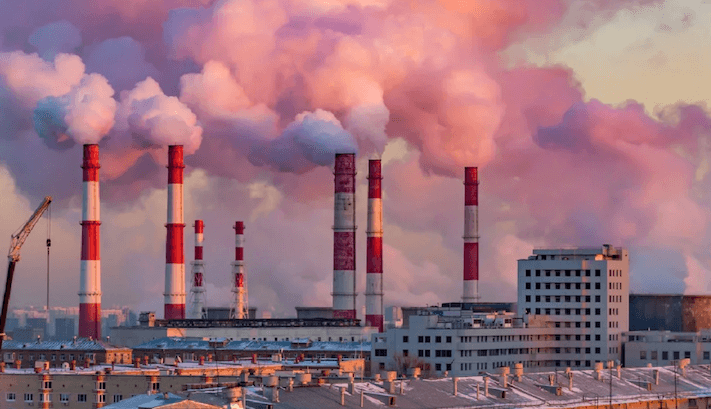
Carbon emissions refer to the release of carbon dioxide into the atmosphere through activities such as fossil fuel combustion, industrial operations, deforestation, and gas flaring. These emissions contribute significantly to global warming and changing weather patterns. While the environmental consequences are widely known, the financial implications for insurers are now becoming more evident.
Insurance firms occupy a unique position within the financial system. They protect individuals and businesses against losses while also serving as major institutional investors. This dual responsibility means they are exposed to climate-related risks in multiple ways.