UNAFFORDABLE COOKING GAS AND NIGERIA’S CLIMATE GAINS
Climate-wise, the many policies and actions recently announced and committed to by government bodies in Nigeria — the launch of the various components of the emerging carbon market, the just-concluded Nigeria Youth Climate Change Summit organised by the National Council on Climate Change (NCCC), and the number of calls and admonishments from federal and sub-national governments to citizens on World Environment Day to prioritise planting trees as an effective way to mitigate the already increasingly manifesting climate change challenges — are something that calls for commendation. On the surface, these collective policies and actions have signalled serious commitment to climate action. But the reality of the common man in Nigeria tells a different story.
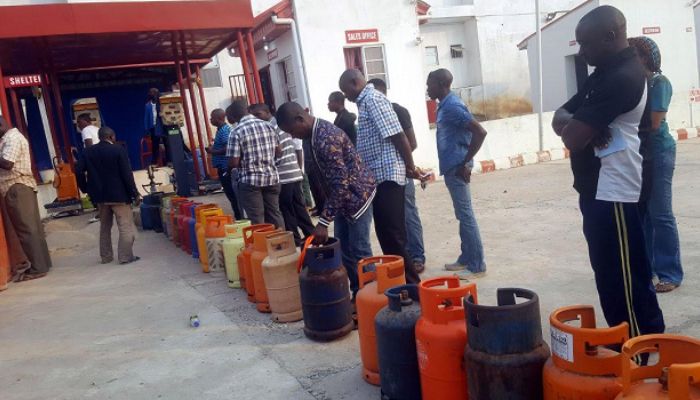
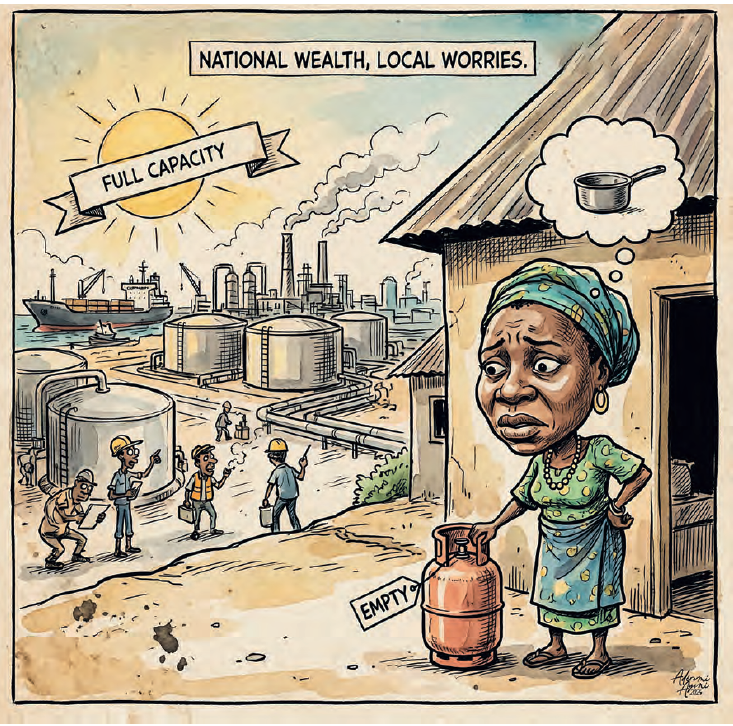
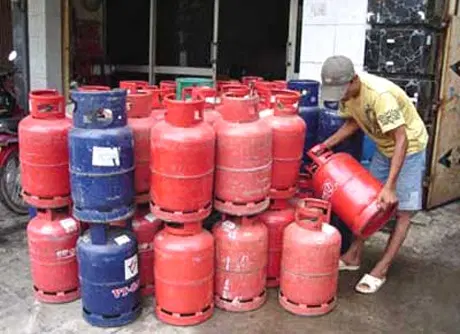
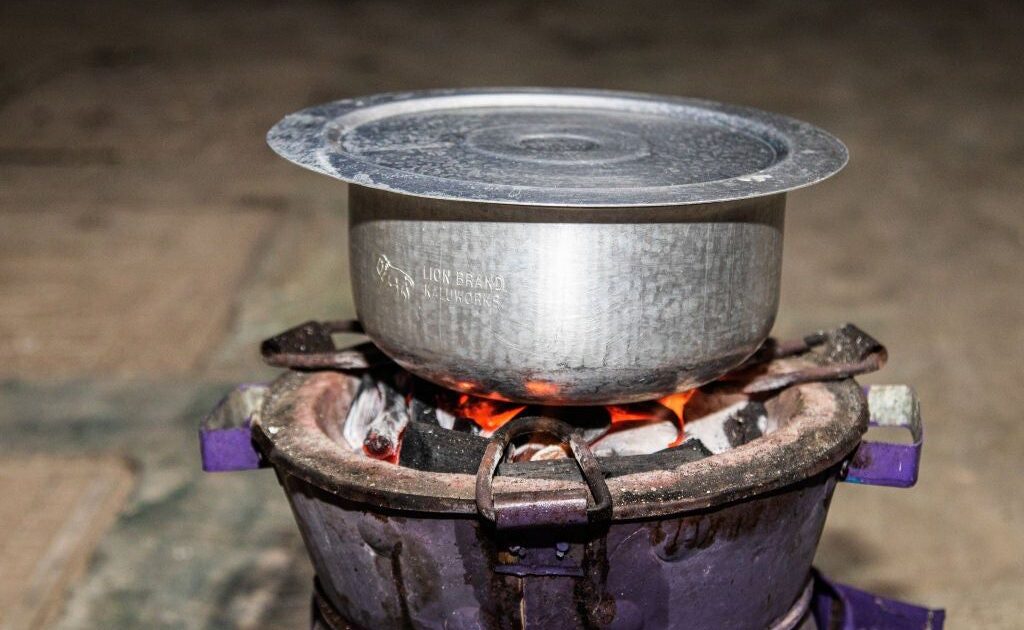
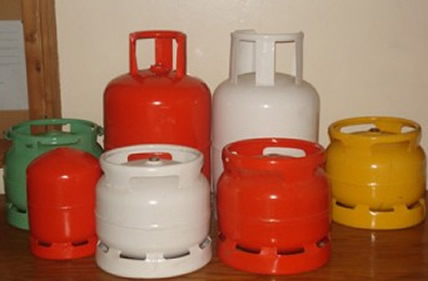
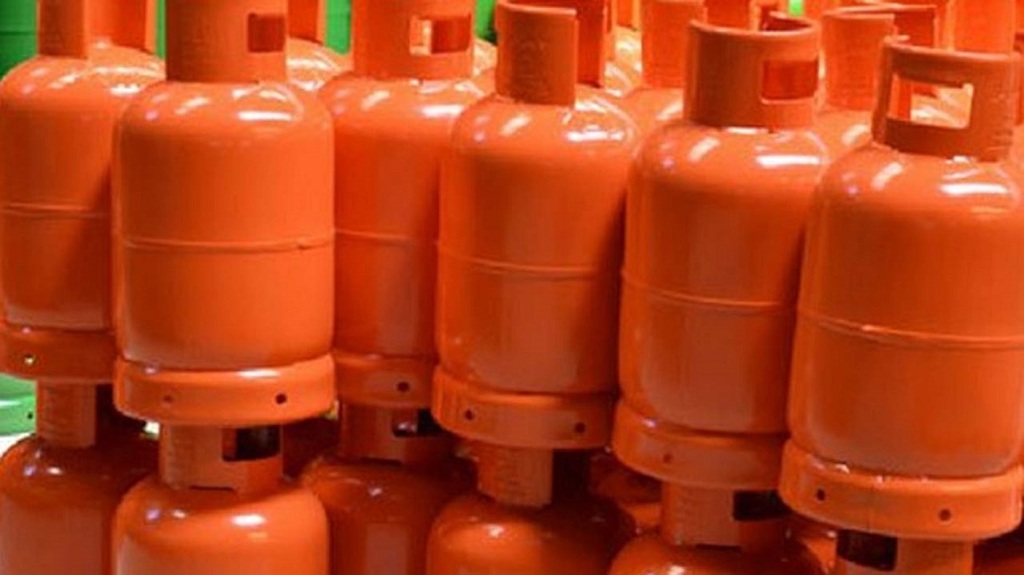
Early this year, a kilogram of cooking gas was sold at around ₦1,200. That price was an all-time high, with consumers complaining about unaffordability. But the current price is now ₦2,000 across Nigeria. Reports from various cities and suburbs have been pouring out of media outlets, with citizens, especially low-income earners, lamenting how they abandoned their cooking cylinders for charcoal and firewood as an alternative. Some have acknowledged the inconvenience of their newfound ways of cooking and the effects on their health, but they cannot help it; they have to survive. Low-income Abuja residents, living in the Federal Capital Territory, are also rapidly adapting to the new reality caused by the exorbitant hike in cooking gas prices. Sellers of charcoal and firewood have revealed how booming their business is becoming across the FCT, with prices rising significantly as demand increases.