FuelTree, Carbon Markets and Nigeria’s Clean Cooking Opportunity
Omolabake Fasogbon
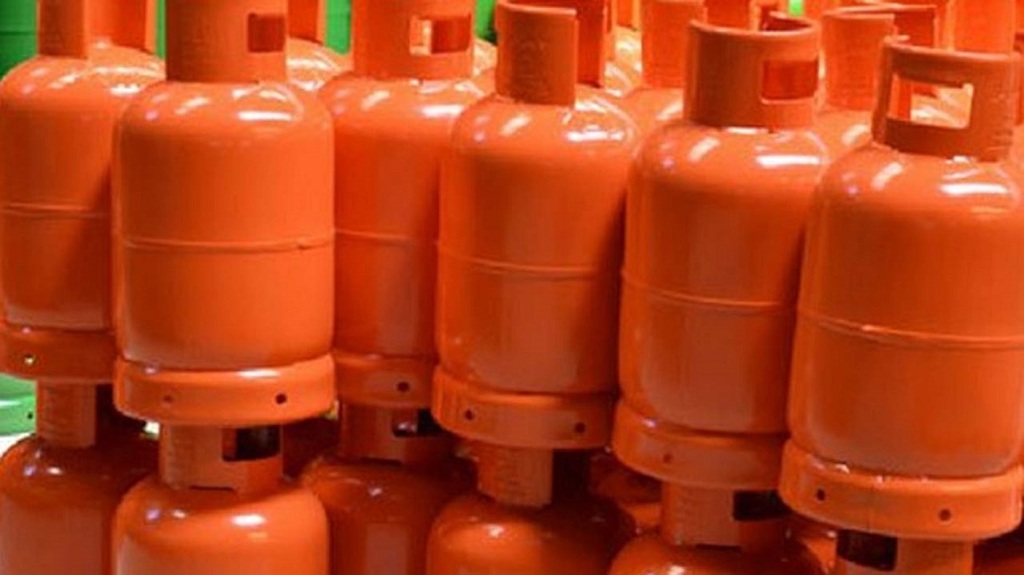
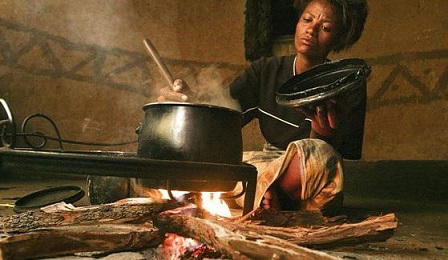
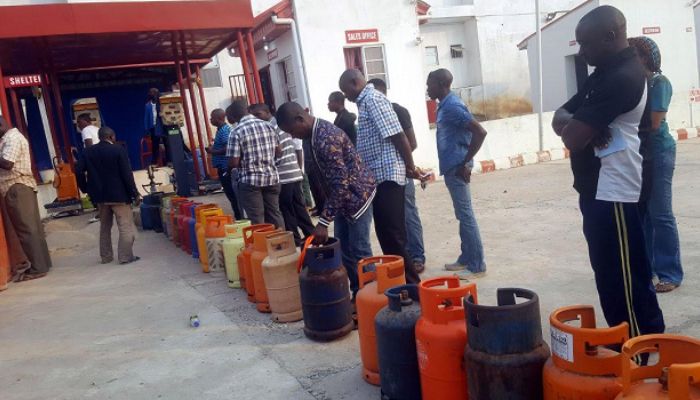
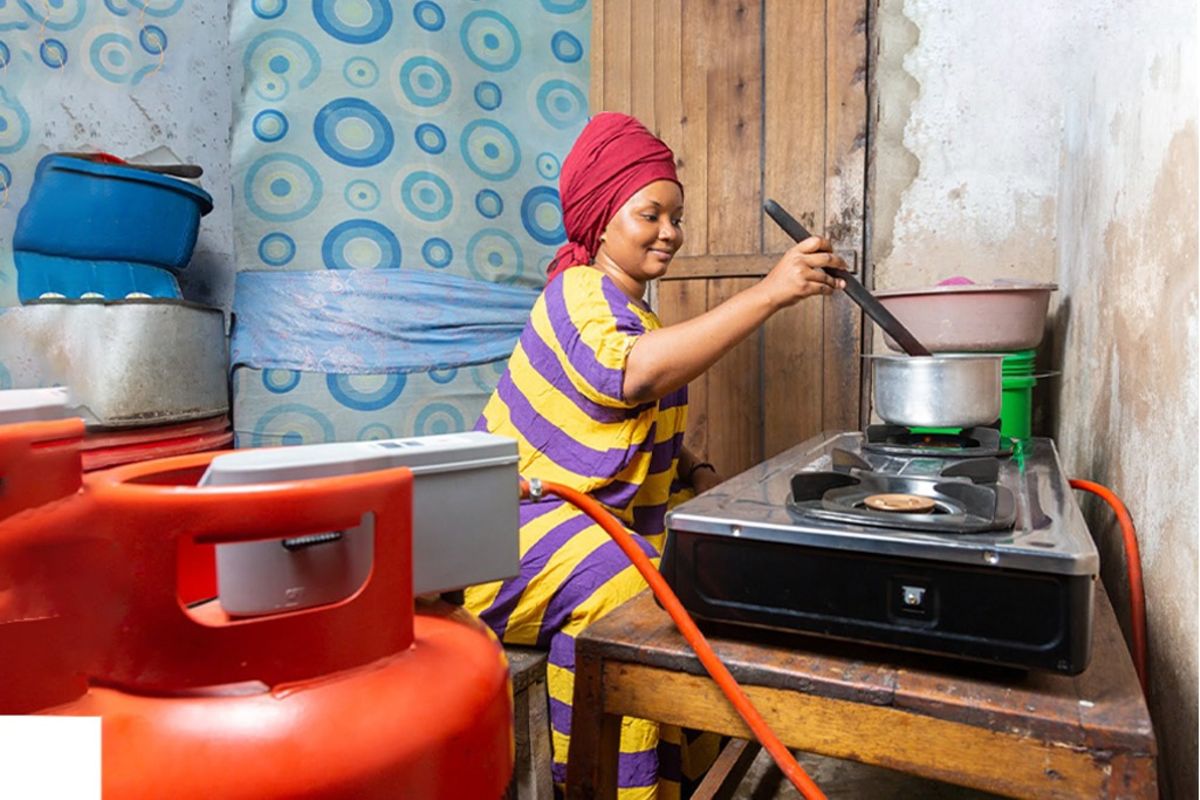
An estimated 175 million to 180 million Nigerians still lack access to clean cooking energy, according to tracking data from the World Bank and the International Energy Agency (IEA), which show that roughly 83 to 84 per cent of the country’s population continues to rely on firewood, charcoal and other polluting biomass fuels for daily cooking. Despite Nigeria’s vast gas reserves and growing energy ambitions, clean cooking remains inaccessible to the overwhelming majority of households, particularly across rural communities where traditional cooking methods still dominate everyday life.
The consequences extend far beyond energy access alone. Research referenced by the State of Global Air estimates that more than 78,000 Nigerians die annually from household air pollution linked to traditional cooking practices, while the continued dependence on fuelwood contributes significantly to deforestation and environmental degradation across the country. Yet beyond the health and environmental burden lies another challenge that receives far less attention: the clean cooking sector still lacks reliable visibility into how energy is actually consumed at the household level. Policymakers, financiers and climate investors often struggle to track refill behaviour, long-term adoption patterns, or measurable emission reductions with precision, leaving much of the ecosystem dependent on fragmented surveys and broad estimates.