In a time of growing angst in our nation, one of the heartwarming developments is in the fact that other African nations increasingly look to Nigeria’s climate governance structure as a model. This is largely driven by Nigeria’s Climate Change Act of 2021, signed by former President Muhammadu Buhari, which formally established the National Council on Climate Change to streamline fragmented climate policies into coherent national development. Unlike many African countries whose climate goals exist merely as policy documents, Nigeria’s legally binding Climate Change mandates the mainstreaming of climate actions into national budgets and economic planning.
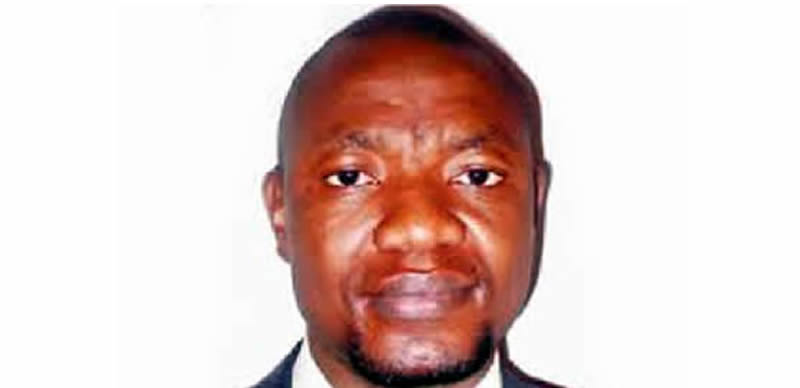
Now, the President Bola Tinubu government has taken it a notch higher. In the emerging architecture of Nigeria’s climate governance, one of the most strategic developments is the convergence of three critical dimensions of climate action — awareness, technology, and finance — under the coordinated efforts of three presidential advisers: Yussuf Olatunji Kelani, Olamide Fagbuji, and Ibrahim Shelleng, respectively.
At a time when climate change is no longer a distant environmental issue but a direct economic, developmental, and security challenge, the collaboration among these three presidential aides represents a deliberate attempt to build a holistic climate response system for Nigeria. Their synergy is perhaps best reflected in the conception and implementation of the Renewed Hope Climate Change Awareness Tour, a nationwide initiative designed to mainstream climate consciousness and mobilise grassroots participation across the federation.