Coal gassification will play a vital role in ensuring energy security
| Photo Credit:
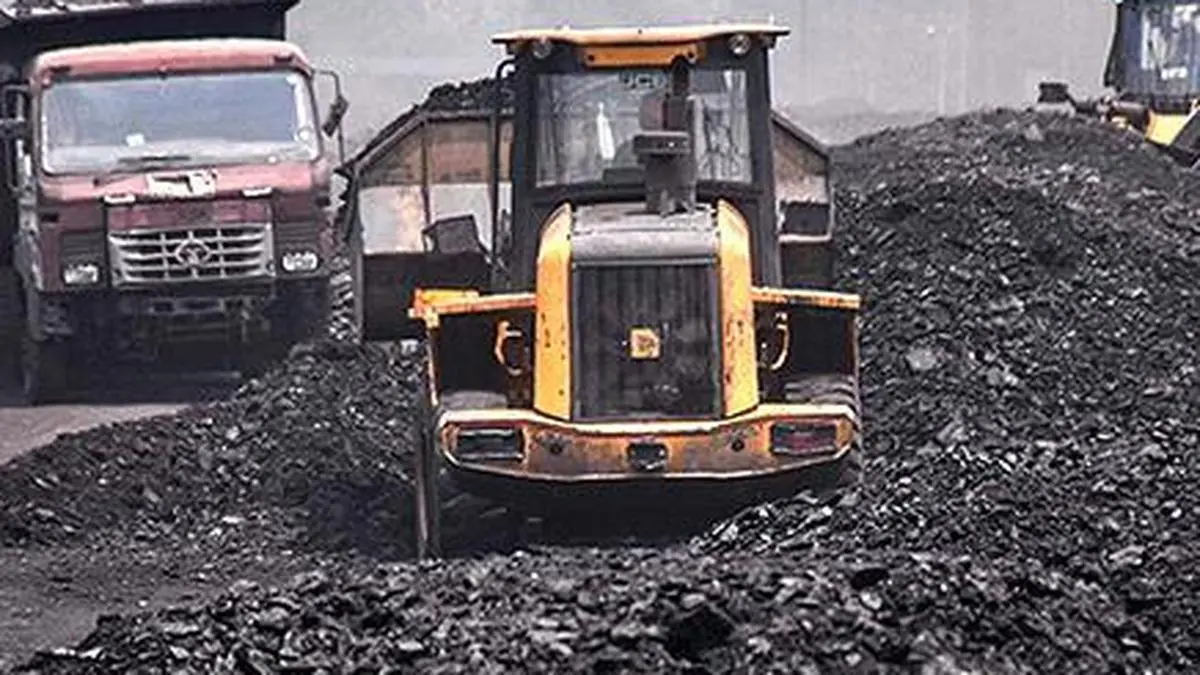
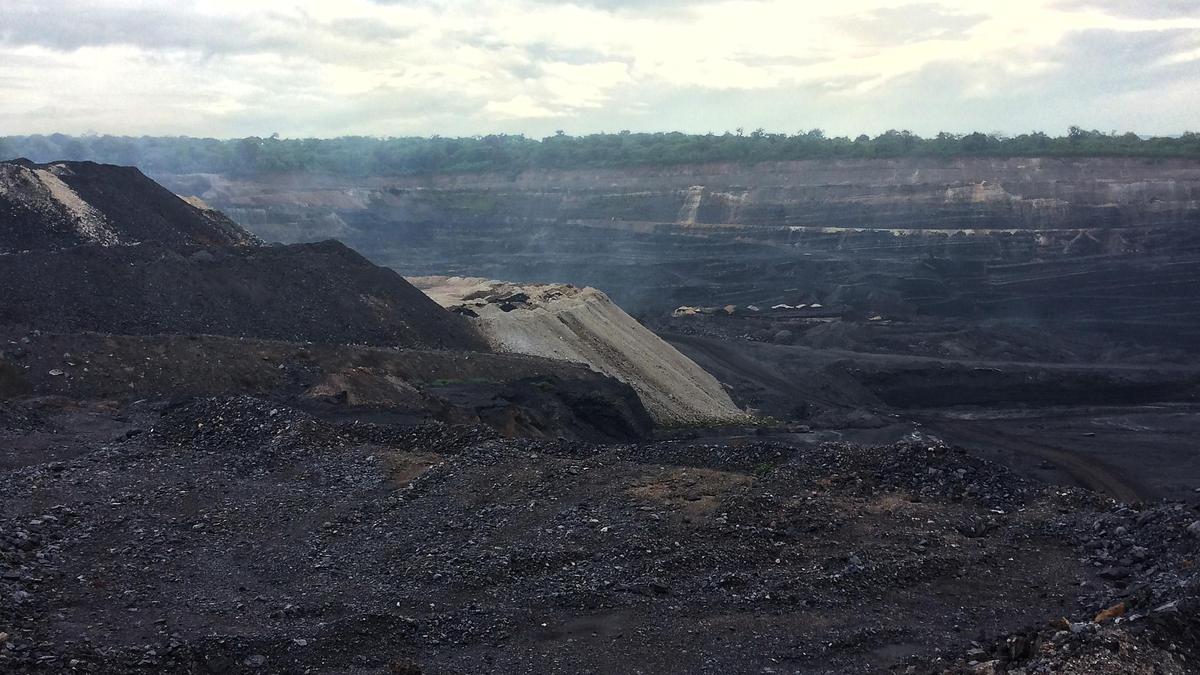
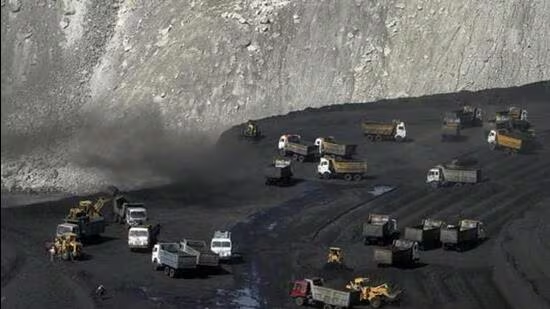
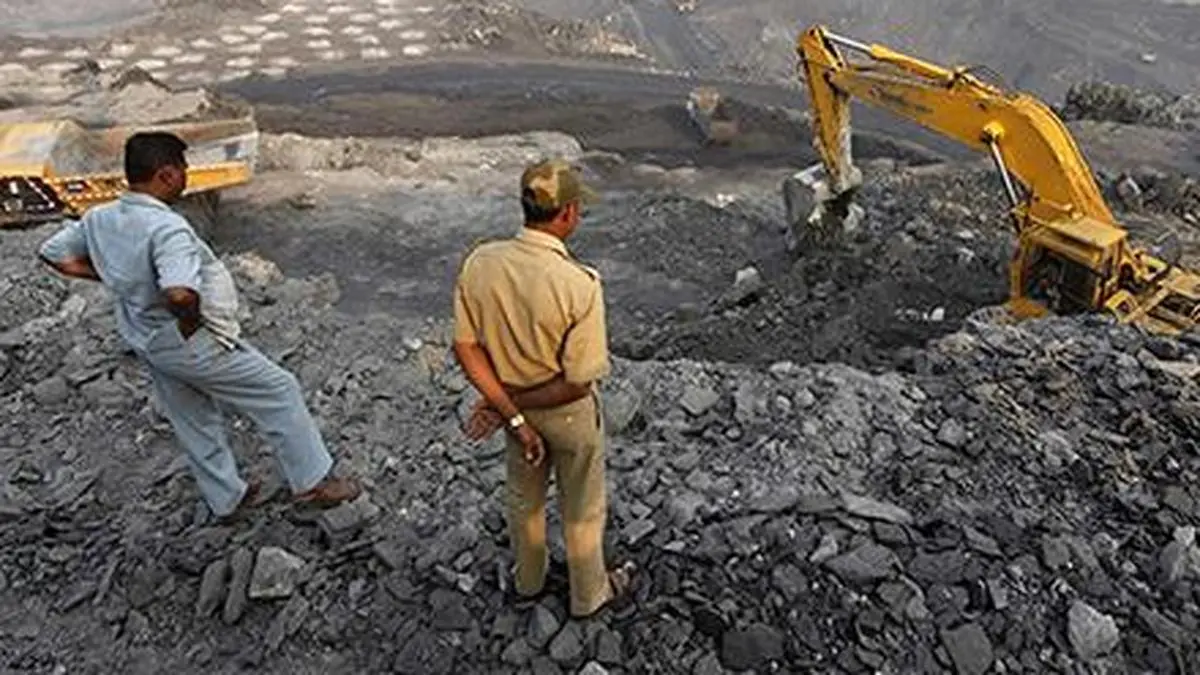
The ₹37,500-crore incentive scheme to promote surface coal gasification project in India is indeed an acknowledgement of the need to find more environmentally benign pathways to use the abundant, 400 billion tonnes of coal reserves that India is blessed with. India has long aspired to use its coal by gasification for energy self-reliance, but technology and cost have stood in the way. The incentive scheme, perhaps influenced by the Strait of Hormuz crisis, seeks to overcome these barriers.The idea of coal gasification lives in the dark shadow of the beleaguered Talcher Project, a ₹13,000-crore multi-company effort to produce fertilizers from gasified surface coal. The project, said to be “71.24 per cent complete” after two decades — and caught in disputes with the Chinese contractor, Wuhan Engineering — has unfortunately engendered an impression that coal gasification cannot work. The truth, however, is that the project chose the wrong type of gasifier — the entrained flow gasifier — despite experts warning against it. The chemistry is simple — when burnt in the presence of limited oxygen and steam, coal becomes a mixture of carbon monoxide and hydrogen, called ‘synthesis gas’, which is a building block for many chemicals such as ammonia and methanol and has wide industrial and energy-sector applications. However, the technology needs to be finetuned to the type of feedstock coal and, to some extent, to the nature of synthesis gas expected at the other end.This can be done for sure, but the Centre must ensure that incentives are wisely used, and there is no punting in terms of choice of technology. It would do well to carve out an enhanced incentive package for lignite gasification, as lignite is better suited for gasification than anthracite coal; it contains more moisture and less of materials that turn to ash when burnt. While the scheme announced recently pertains specifically to surface coal gasification, the government had earlier brought in another set of incentives, worth ₹8,500 crore, for coal gasification without making any distinction between surface and underground processes. While it appears that both schemes would co-exist, the new scheme suggests that the government is consciously separating surface from underground projects. Gasifying deep seam by in-situ combustion of coal is extremely difficult. There is by far only one commercial-scale UCG project, in Uzbekistan. This is not to say that India should not take a pioneering approach here. But it should approach UCG more as an R&D than a commercial exercise.There is an important angle to coal gasification that has hardly been recognised — its capacity to produce clean hydrogen at low cost. This newspaper has reported quoting experts that coal gasification plus carbon capture and sequestration process can produce hydrogen at $1.25 a kg, assuming a domestic coal price of $40 a tonne. The government should look at whether this pathway could be brought under the National Green Hydrogen mission.Published on May 19, 2026