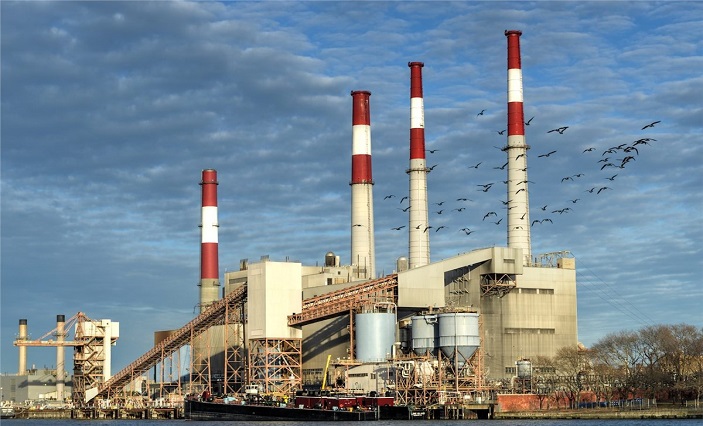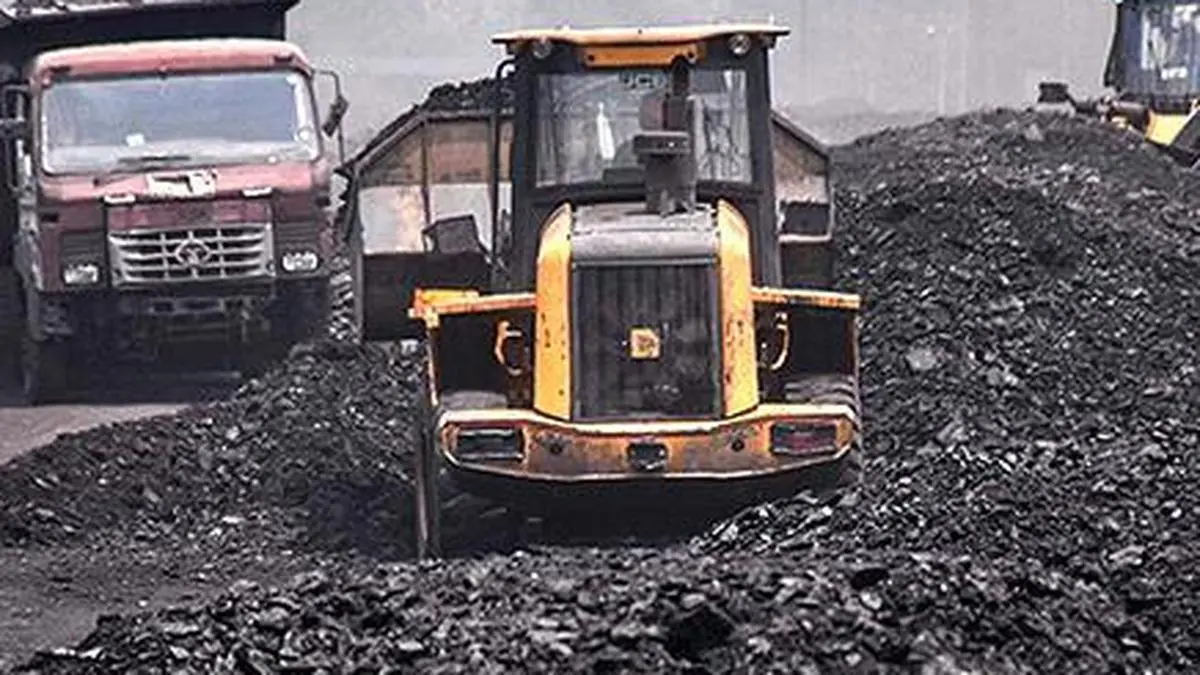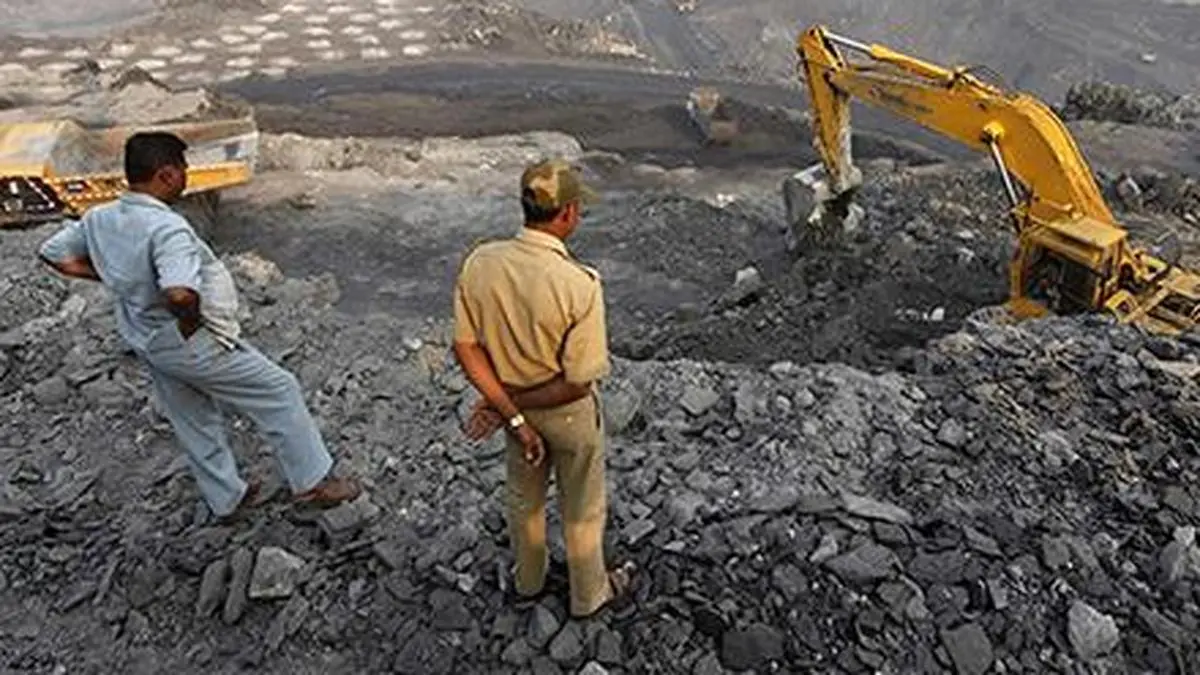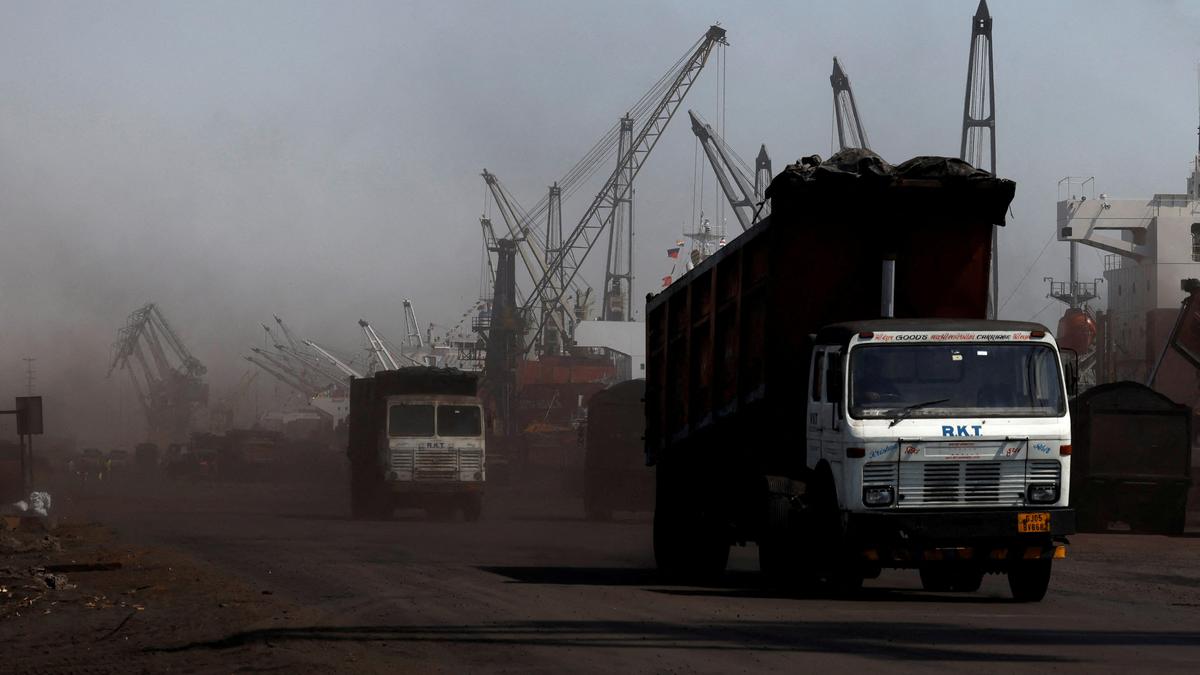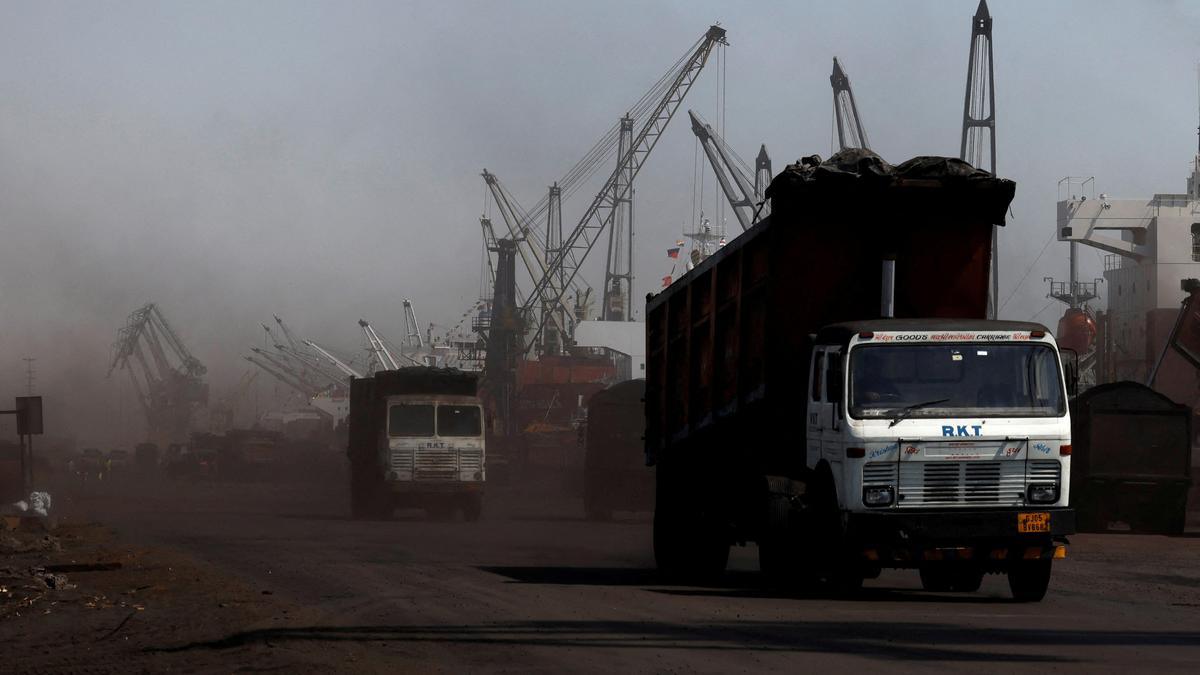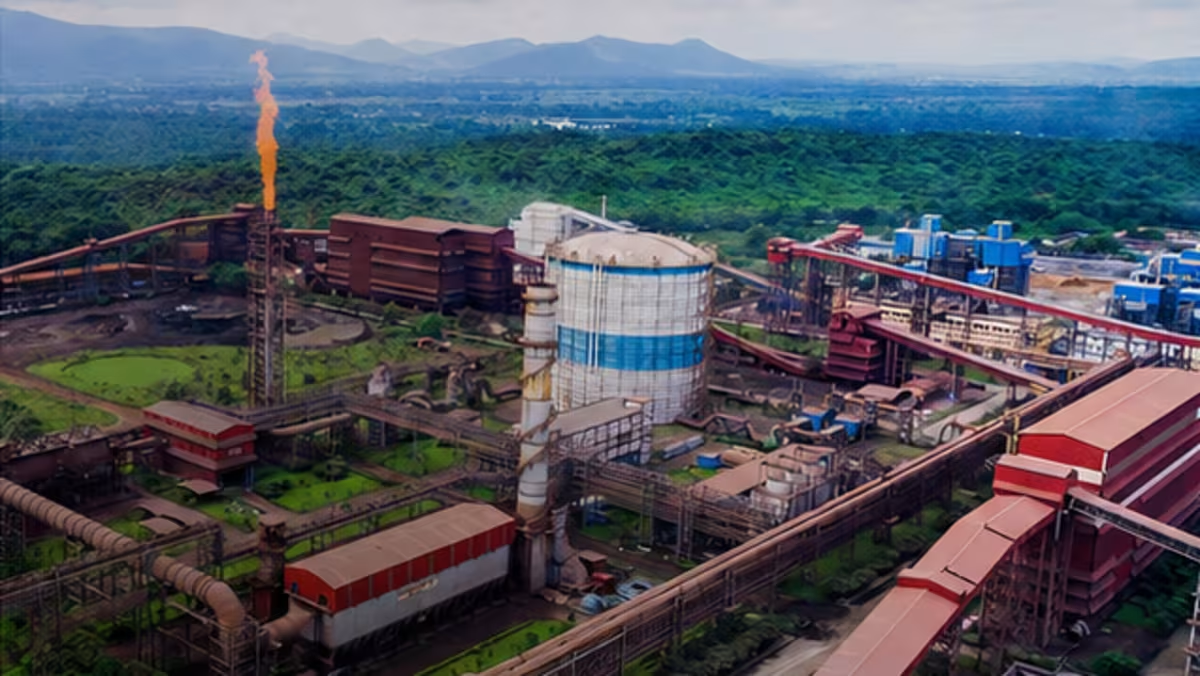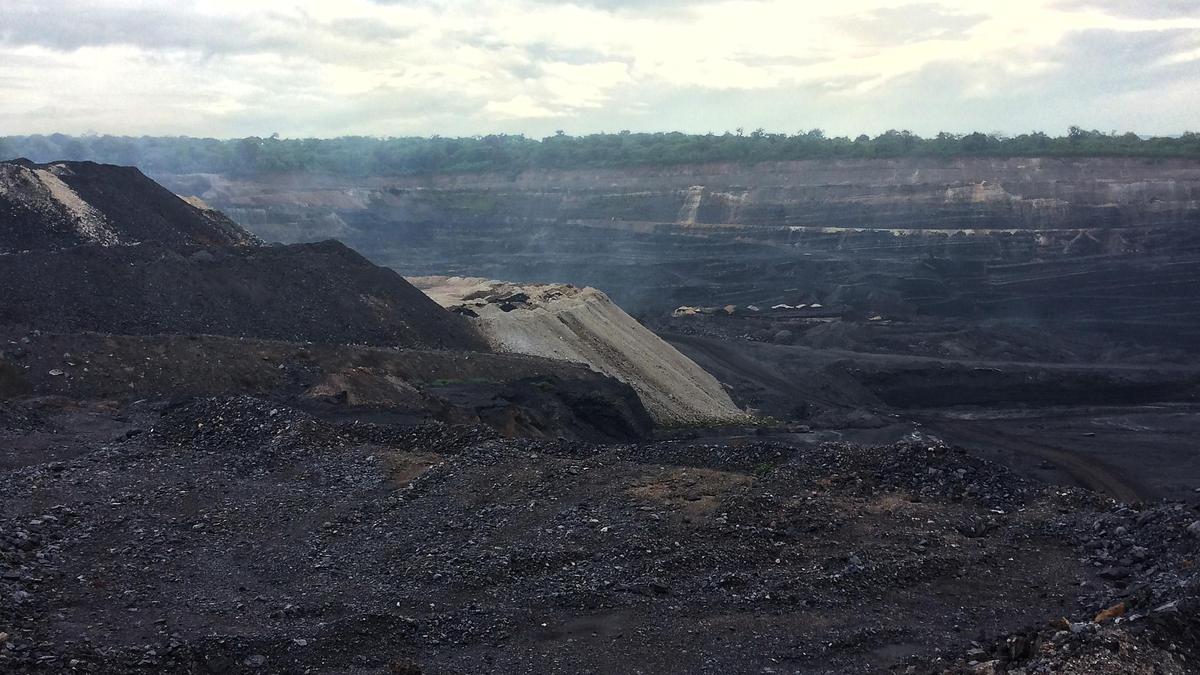
The buzz word now is ‘surface gasification’, that will help India take advantage of its massive coal reserves. It not only redefines clean coal but also works towards the nation’s energy security by reducing vulnerabilities to external supply shocks and diversifying energy applications.It clearly gives the vibes of the intro of Dire Straits’ famous song “Money for Nothing” – as Surface Gasification represents turning low-value, unusable waste coal into high-value chemical gold. What is Surface Coal/Lignite Gasification? Surface Coal/Lignite Gasification is a chemical process that converts solid coal or lignite mined from the earth into a versatile synthetic gas (Syngas) above ground. Instead of burning the coal directly, this process uses high temperature, high pressure, steam, and oxygen to break down its molecular structure.When did India first speak about it?In 2018, the Union Government announced its first coal gasification-based fertilizer plant at Talcher. This marked the initial shift toward clean coal technologies, which quickly evolved into a core national energy strategy. August 2020 saw India formally declaring its massive national goal to gasify 100 million tonnes (MT) of coal by 2030, projecting investments worth over ₹4 lakh crore.In May 2026, the government significantly scaled up its efforts, with the Union Cabinet approving an expansive Scheme for Promotion of Surface Coal/Lignite Gasification Projects backed by a massive ₹37,500 crore outlay.The ground was laid for this in April 2026, when the coal ministry executed Coal Mine/Block Production and Development Agreements with Reliance Industries Limited securing the Recherla and Chintalpudi Sector A1 mines, and Axis Energy Ventures India Private Limited bagging the Dip Extension of Belpahar and Tangardihi East coal mines — marking the first-ever tranche of commercial coal mines in India to carry embedded provisions for Underground Coal Gasification.How will it help bringing down import dependence for India?According to those in the industry, surface coal and lignite gasification directly targets India’s ₹2.77 lakh crore import bill (as of FY2025) for energy feedstocks, industrial chemicals, and agricultural inputs. Syngas can be converted into hydrogen, urea, ammonia, liquid fuels and chemicals etc. By turning domestic coal into Syngas, India can manufacture critical substitutes locally, bringing down its heavy dependence on volatile global supply chains.Will it bring down energy costs?Wars, regional tensions, and shipping disruptions frequently spike the price of imported fuels. According to information available, Syngas produced from domestic reserves is estimated to be up to 20 times cheaper than imported natural gas once operations hit commercial scale.Who will be the key players?The key entities driving the country’s gasification eco-system include Bharat Coal Gasification and Chemicals Limited (BCGCL), a flagship Joint Venture between Coal India Limited (CIL) and Bharat Heavy Electricals Limited (BHEL); and Coal Gas India Limited (CGIL), a newly operational Joint Venture between Coal India and GAIL (India) Limited.Apart from its Joint Ventures, CIL is the primary supplier of raw fuel. NLC India Limited is the anchor player for the Lignite-to-Syngas segment. Indian Oil Corporation Ltd has signed MoUs with Coal India to explore downstream coal-to-chemical synthesis, aiming to utilise Syngas for refining processes and manufacturing methanol.There are also private sector players into foray now.How will it impact India’s energy transition?Experts say, it works as a transitional bridge technology in the country’s long-term energy transition strategy. Gasification will allow users to shift away from burning polluting coal to cleaner-burning syngas, which significantly lowers the direct emission intensity of heavy manufacturing. However, heavy water consumption and wastewater management can prove to be ecological bottleneck.Published on May 19, 2026
How coal gasification promises to be a gamechanger in energy security, cutting imports
Experts say, it could work as a transitional bridge technology in the country’s long-term energy transition strategy.
575 words~3 min read