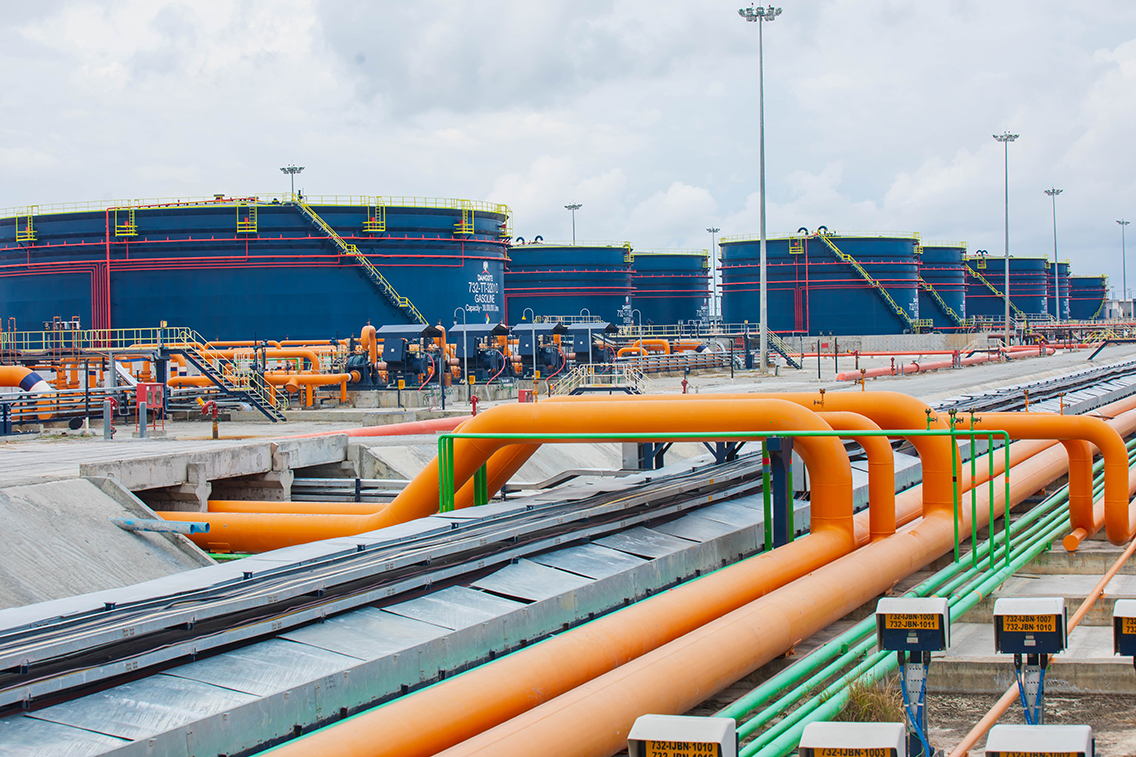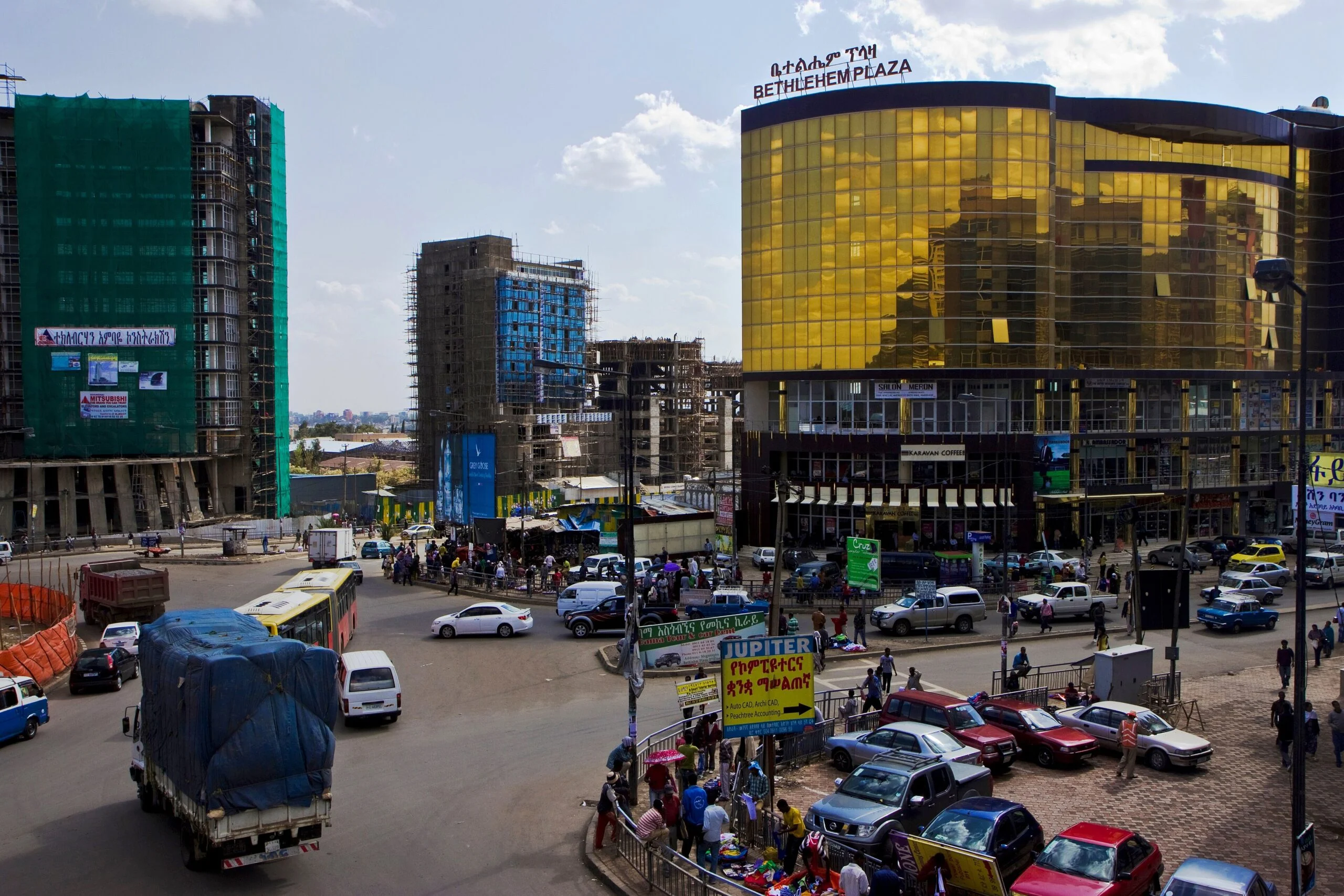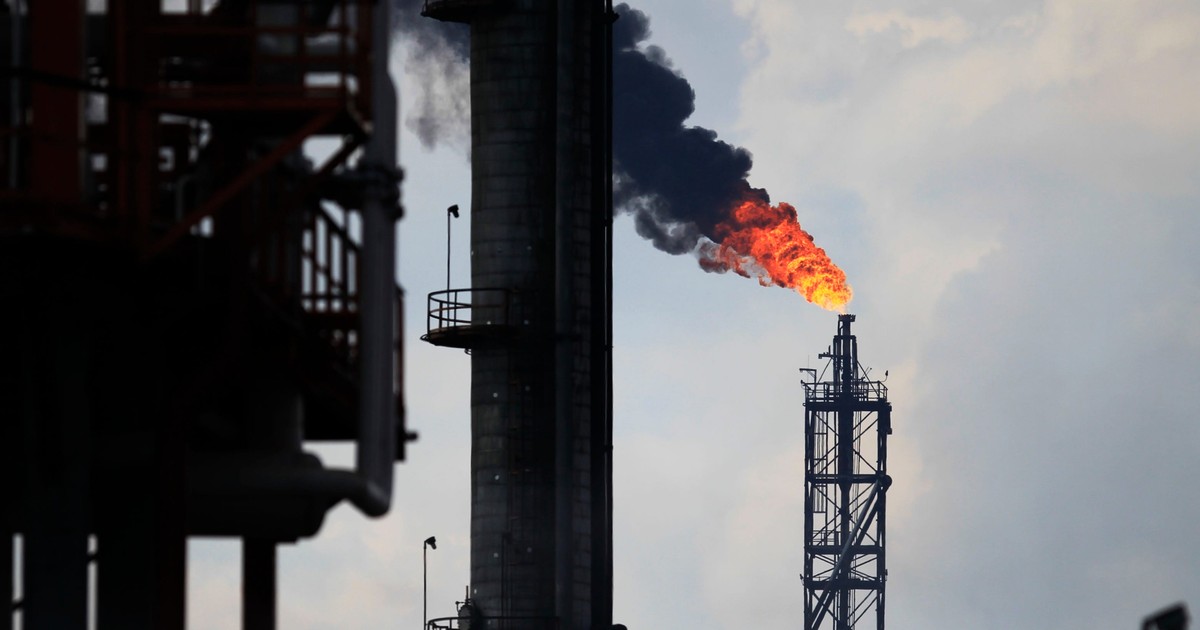
Africa has been here before. Oil climbs above $100, import bills balloon, Finance ministers across the continent convene emergency sessions, and somewhere in a development bank boardroom, a clean energy investment pipeline gets quietly deprioritised while everyone waits for the price to come back down.
In 2008, the global financial crisis interrupted a Brent spike that had touched $147. In 2014, the shale revolution drove prices from nearly $100 to below $40 in eighteen months, pulling the fiscal rug from under the African governments that had been using commodity revenues to fund energy access programmes.
In 2022, the Ukraine conflict pushed Brent above $100 and briefly reanimated continental debates about gas-to-power development that climate commitments had put on ice. Each time, the clean energy narrative bent but did not break. Investment continued growing, but slowly, episodically, and far short of what Africa’s electricity access gap and its 600 million people without power actually demanded.
Today, with Brent sitting above $110 following the partial closure of the Strait of Hormuz, and S&P Global warning that Africa is disproportionately exposed to the largest oil supply disruption in recorded history, the question that every investor, policymaker, and founder in this sector should be sitting with is a simple one: is 2026 the year Africa finally converts an oil price shock into a structural clean energy shift, rather than another temporary bump?