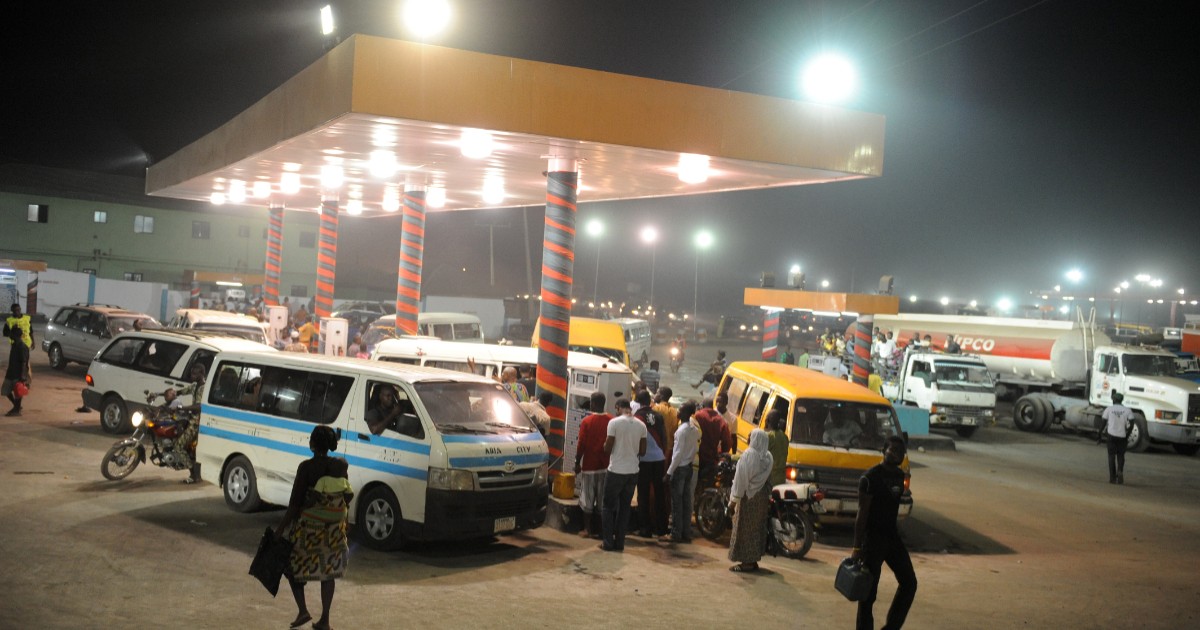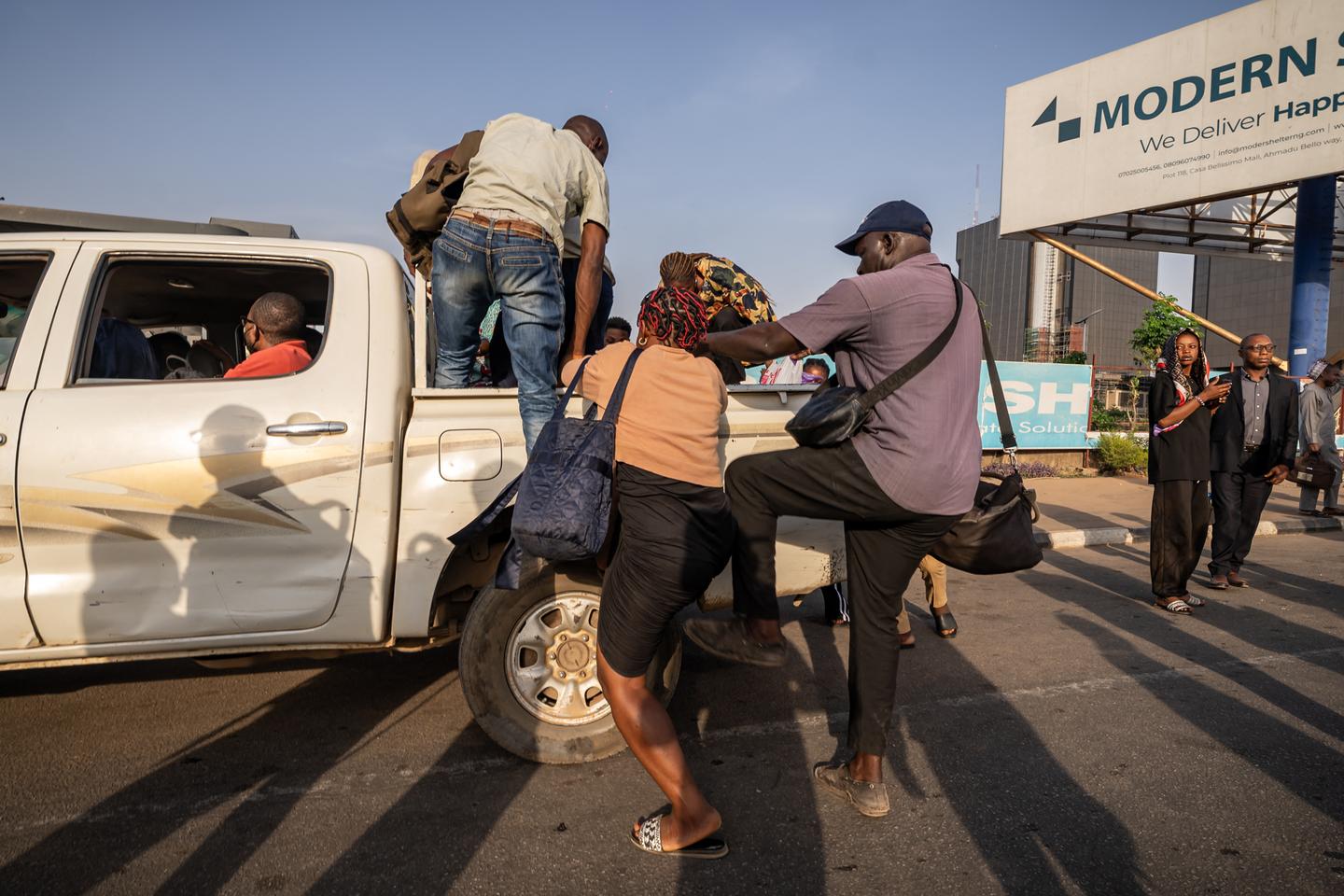
Ride-sharing scene in Abuja on March 9, 2026, after public transport fares in the Nigerian capital rose due to higher fuel prices. LIGHT ORIYE TAMUNOTONYE/AFP
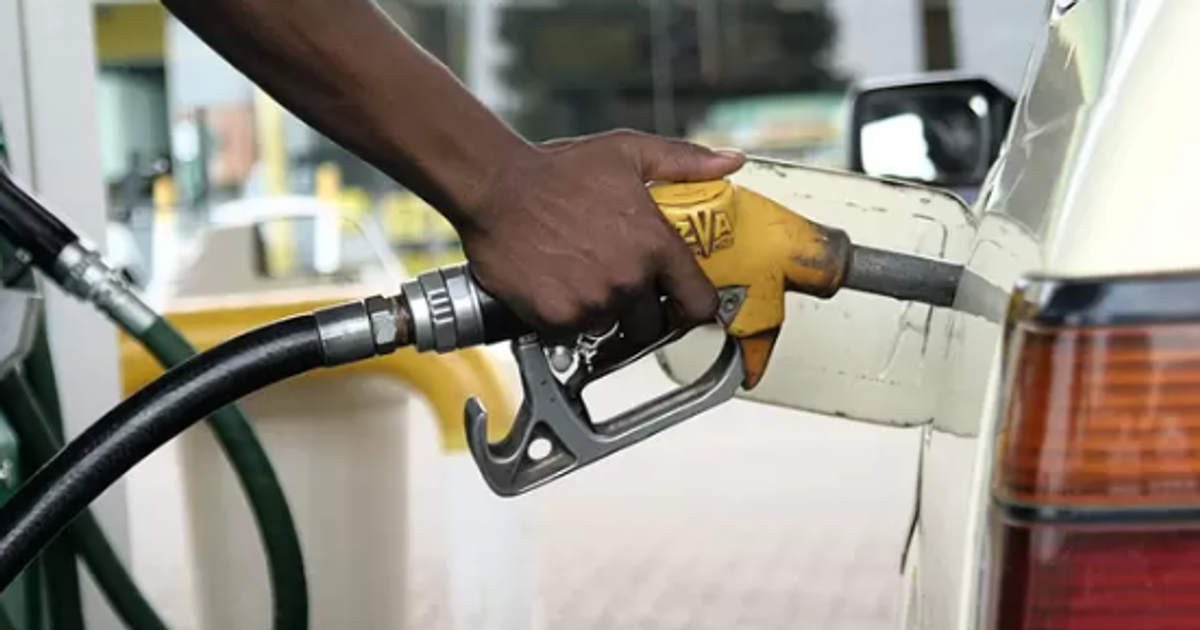
The price of a barrel of oil, on Monday, March 9, surpassed $110 (€86.50) and closed above $100 on Thursday, due to the war in the Middle East and the closure of the strategic Strait of Hormuz. African finance ministries are once again sensing the approach of a likely economic shock. Most countries on the continent are highly dependent on imports of crude oil – particularly diesel and gasoline – because they lack local refineries, and refined products are even more expensive than crude. In addition to the growing number of cars and motorcycles on the roads, fuel consumption has been further increased by the widespread use of generators, which allows many people – from Chad to Malawi, and from Gabon to Tanzania – to light their homes and work despite unreliable electric grids.
Pretoria, the capital of Africa's largest economy, openly acknowledged its vulnerability to global prices on March 5. "South Africa is a price taker," admitted its finance minister, Enoch Godongwana, emphasizing how "worrying" the Middle East conflict is, especially if it lasts more than a few weeks. Only eight days earlier, Godongwana had presented a budget aimed at improving the economic fundamentals of the continent's most developed – and highly unequal – country, after several years of deep financial, monetary and energy difficulties. "We didn't pencil the war in," conceded Godongwana.