As the world marks World Environment Day, the most consequential climate-finance decision Nigeria and much of West Africa can make is closer to home than Baku: how we choose to finance the land and the people who feed us.
By Mannir U. Ringim (PhD)
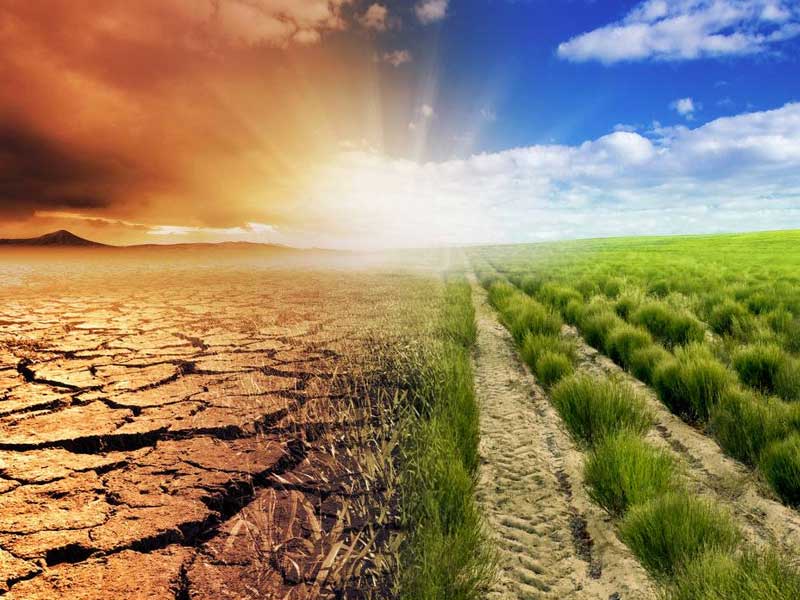
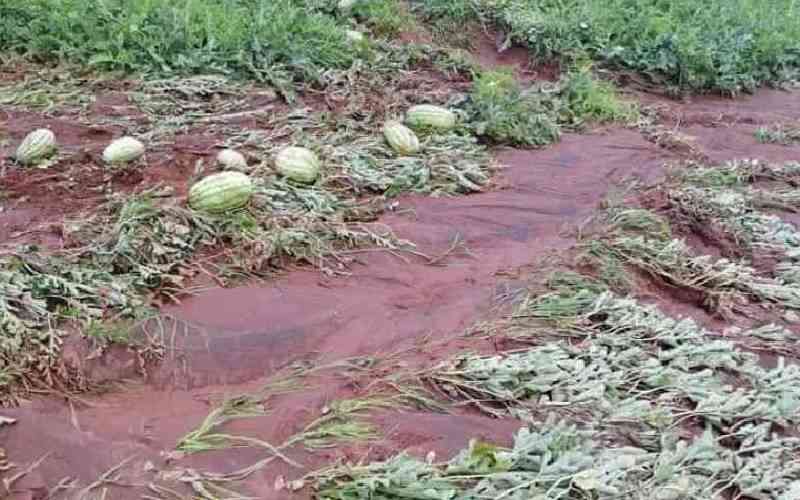
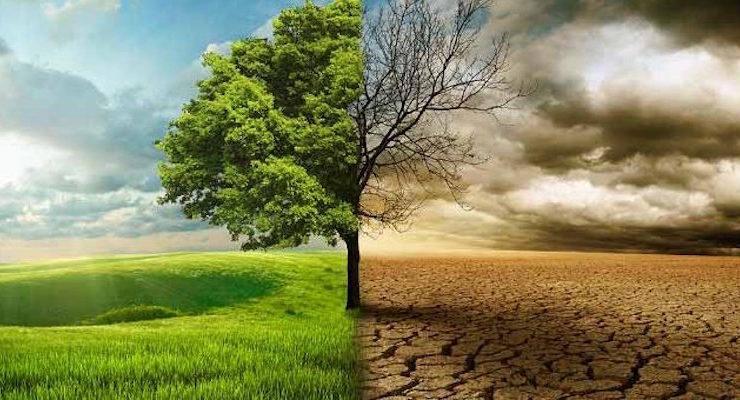
Long before the satellite forecasts and the seasonal advisories, the African farmer learned to read the sky. He watched the colour of the clouds, the behaviour of the birds, the first scent of rain on hot ground, and he planted accordingly. For generations, that knowledge was reliable enough to feed nations. Today, it is faltering not because the farmer has forgotten how to read the signs, but because the signs themselves have changed. The rains that once came in April now arrive in May, or not at all. The harmattan lingers. The river that once flooded every decade now floods twice in five years. Nature is still sending its signals; they have become harder and crueller to read.
On Friday, 5 June 2026, the world marks World Environment Day. This year’s theme, “Inspired by Nature. For Climate. For Our Future,” will be examined in Baku and echoed in boardrooms and headlines across the world. It is a worthy conversation, but the people who live that theme most literally will not be in any of those rooms. They are the smallholder farmers of northern Nigeria and the wider Sahel, the rice growers of the Niger basin, the cassava, cocoa, and oil palm households from Cross River to the forests of the coast. It is a Nigerian story, but not only a Nigerian one: the same signals are being read across West Africa, and in the last decade, the reading has grown harder.