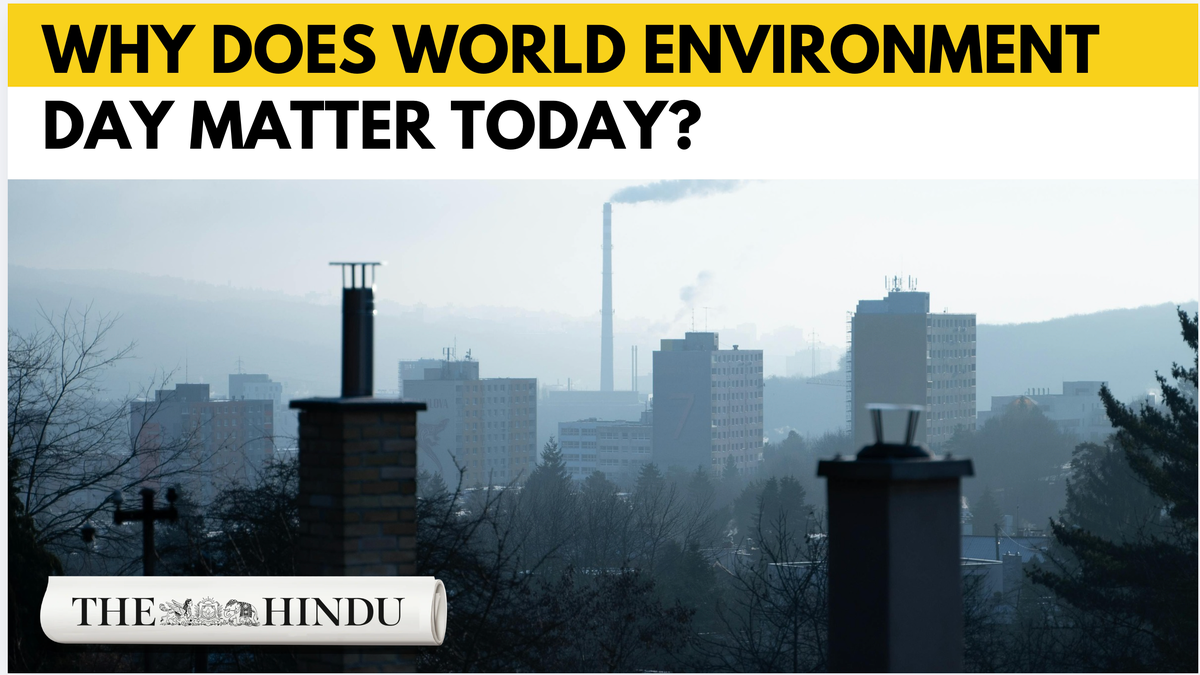
While the sources and causes of environmental degradation, from industrial emissions and agricultural burning to biomass combustion and waste incineration, the burden falls most heavily on those least able to escape it: low-income communities, subsistence farmers, women burdened by indoor cooking smoke, workers in unregulated industries.
It is more than 50 years since the declaration of June 5th as World Environment Day by the United Nations following the 1972 Stockholm Conference on the Human Environment, and almost 40 years since the release of the United Nations Report of the World Commission on Environment and Development (WCED) – “ Our Common Future” - known as the “Brundtland Report” in 1987.
In the foreword to the report, Brundtland characterised the mandate for the Commission as “A global agenda for change" – and an urgent call by the General Assembly to propose long-term environmental strategies for achieving sustainable development by the year 2000 and beyond.
The outcome of the commission was a report recommending ways in which the global environment crisis can be translated into greater co-operation among developing and developed countries towards the achievement of common and mutually supportive objectives, acknowledging the interdependency between human development, resources, environment, and economic development.