As the world marked World Environment Day 2026, attention turned once again to the urgent challenge of climate change and the collective responsibility to protect the planet, writes Omolabake Fasogbon
For years, 52-year-old boat operator, Mr. Kunle Kofi, has navigated the waterways linking Ikoyi, Victoria Island and other parts of Lagos.
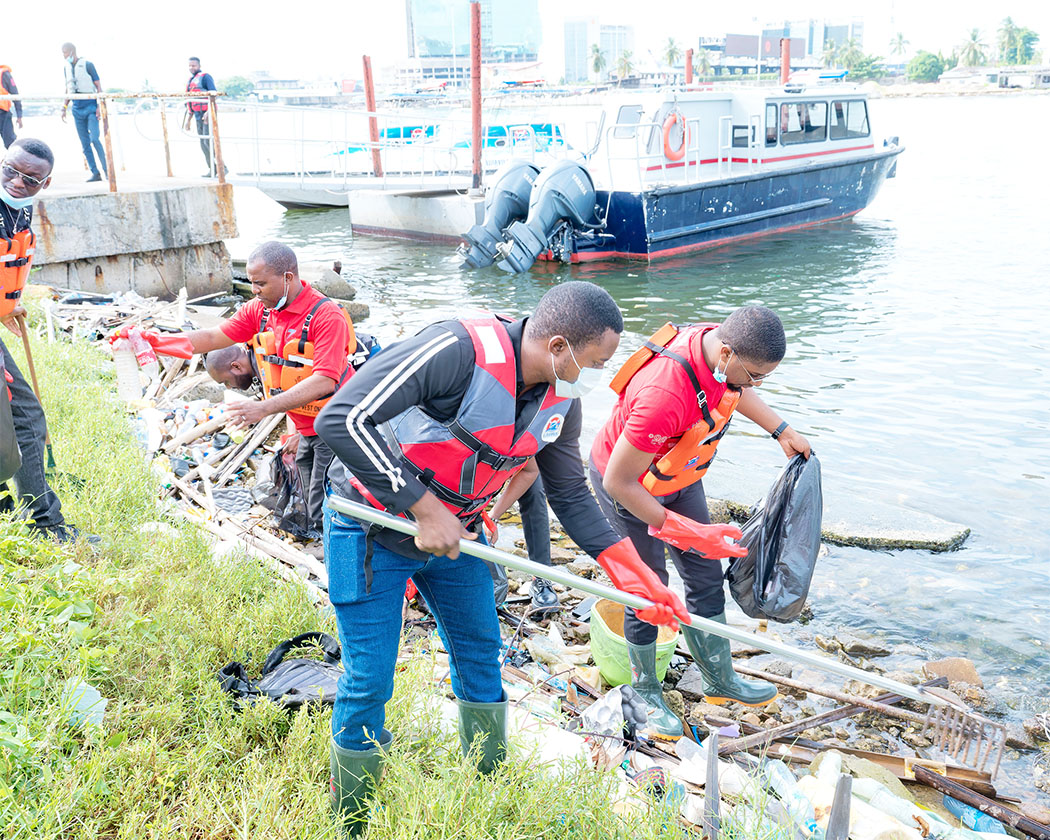
Every morning before sunrise, he pushes away from the jetty and begins another day transporting commuters across the bustling commercial capital. But over time, he noticed something disturbing. The water was changing. Plastic bottles floated where fish once gathered. Food packs drifted with the tide. Nylon bags wrapped themselves around boat propellers, forcing operators to stop mid-journey to remove the debris.
During the rainy season, clogged drainage channels spilled refuse into the lagoon, turning sections of the waterways into moving dumpsites.
“It was becoming difficult,” Adebayo recalled. “People talk about traffic on the roads, but we also have problems on the water. Sometimes you spend extra time clearing waste from your boat engine. The environment was crying for help.”