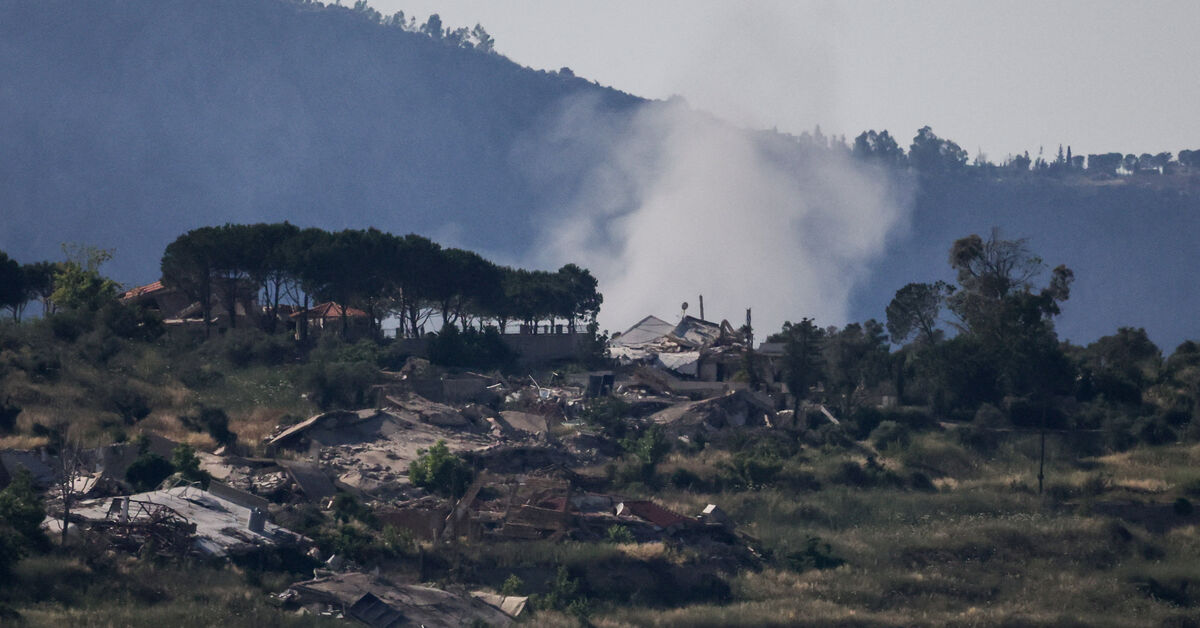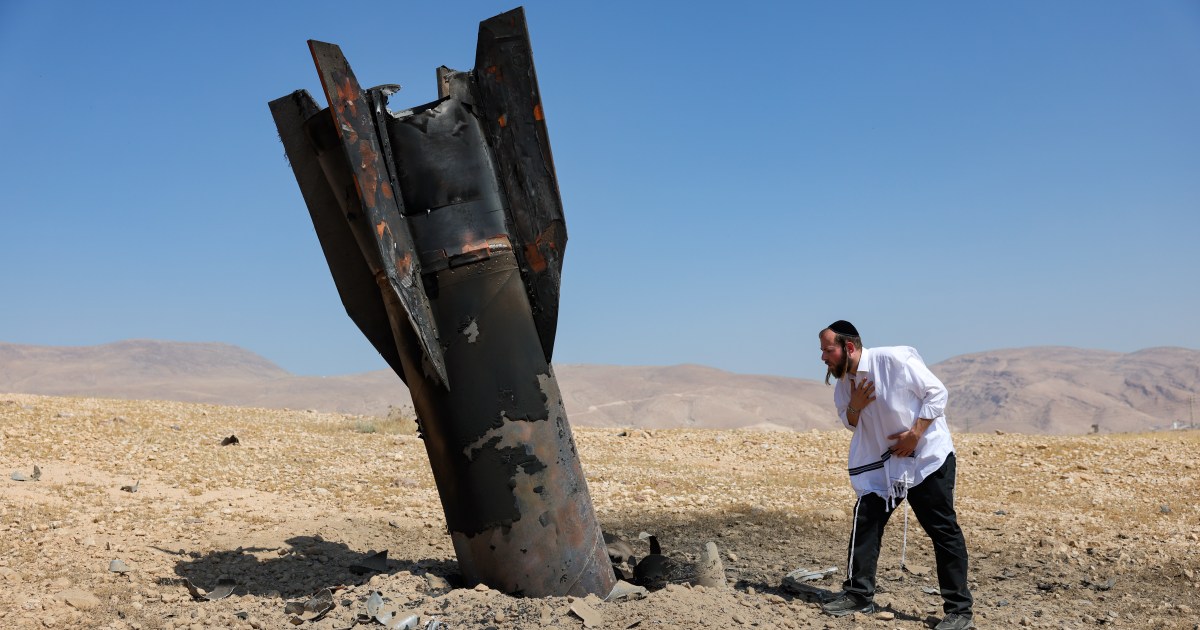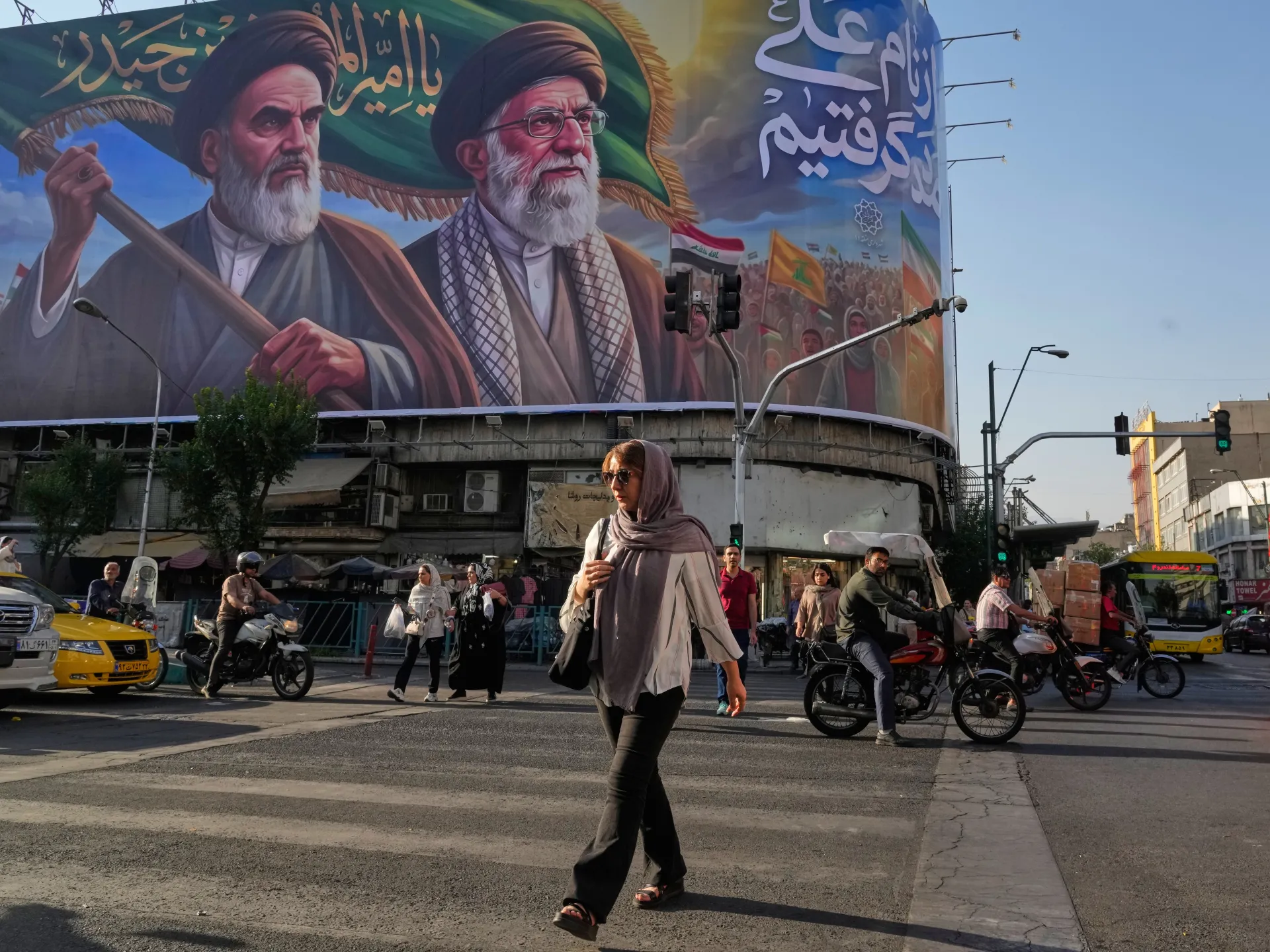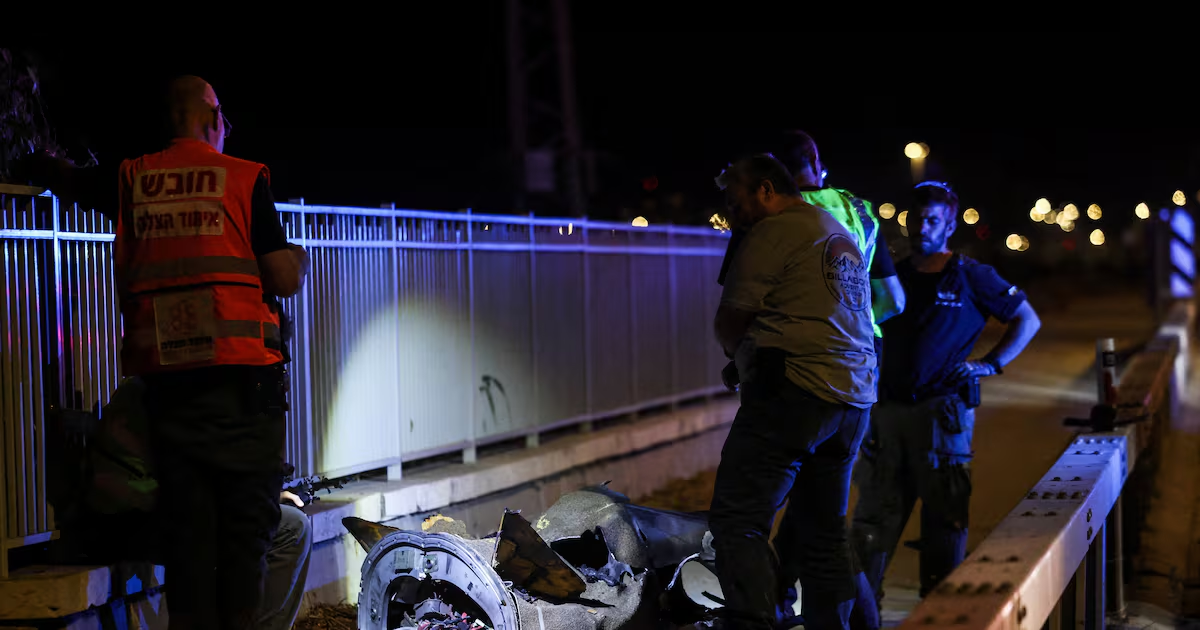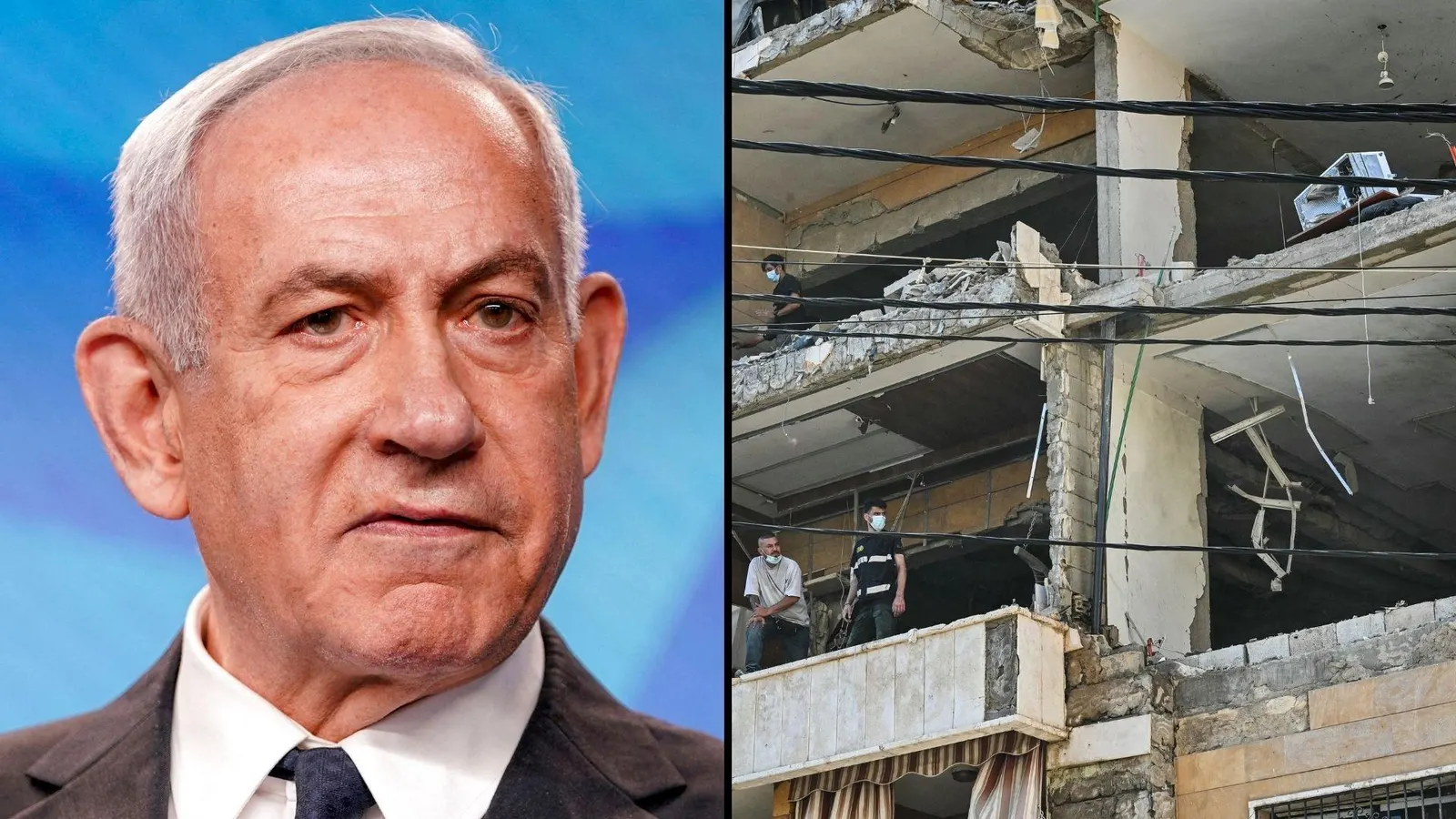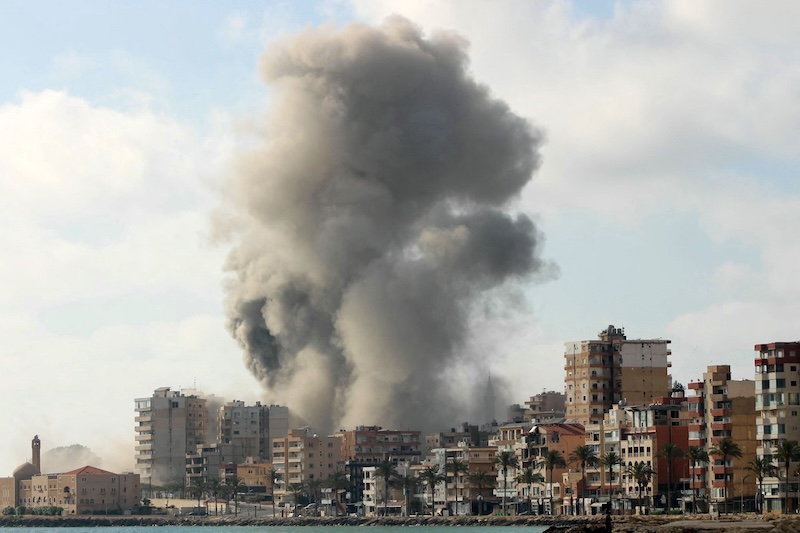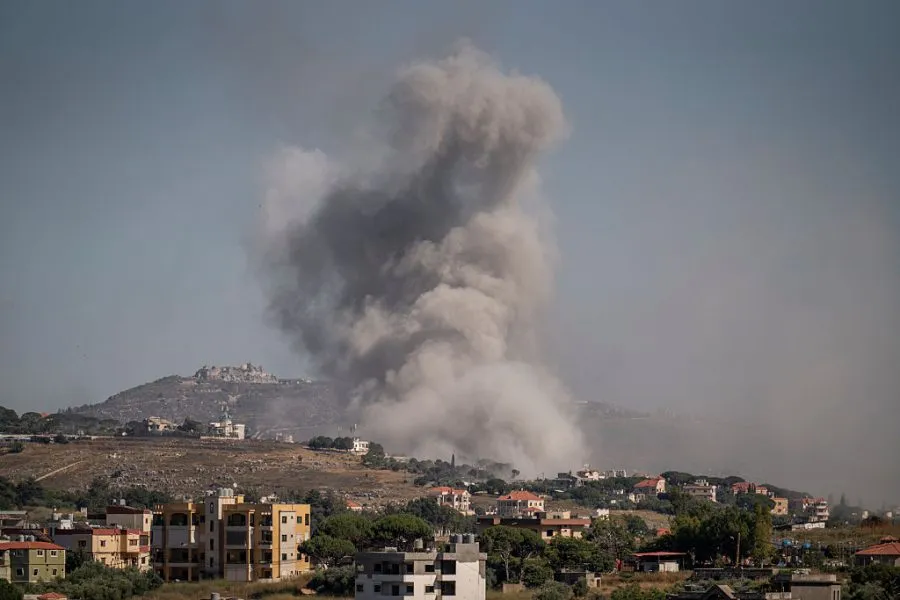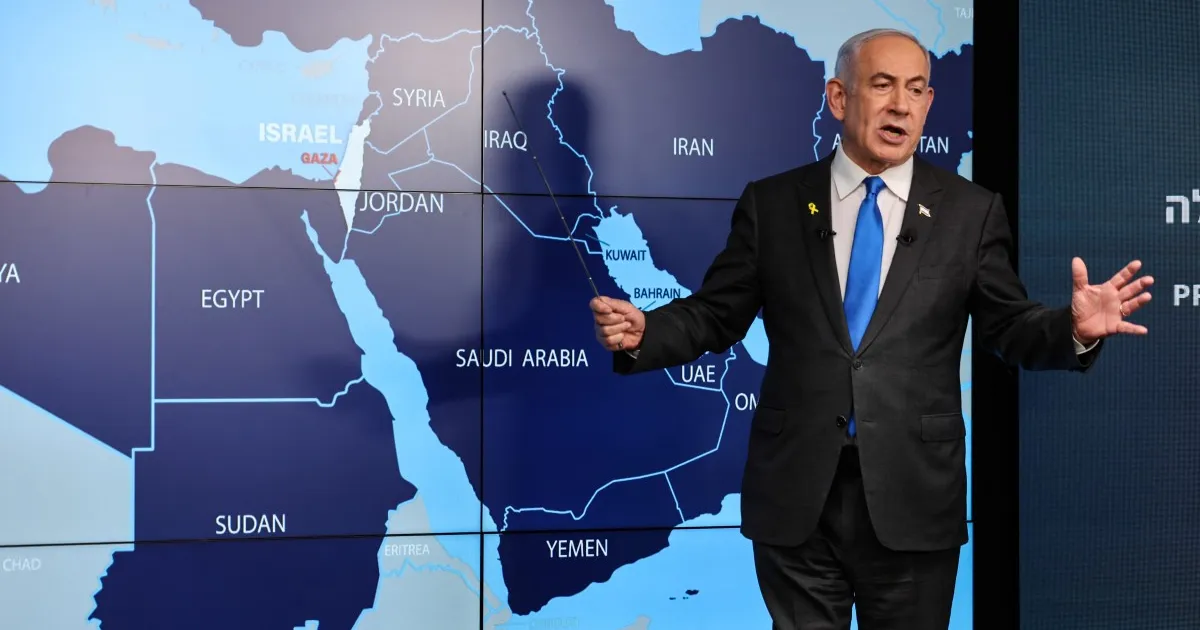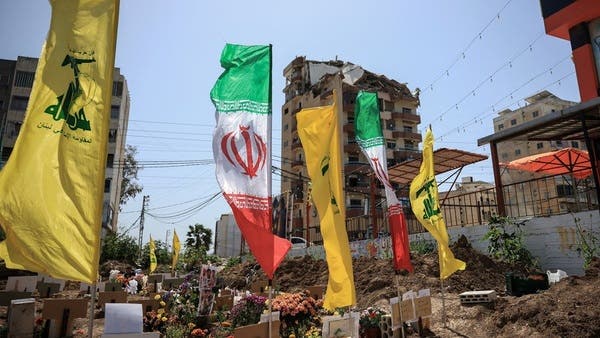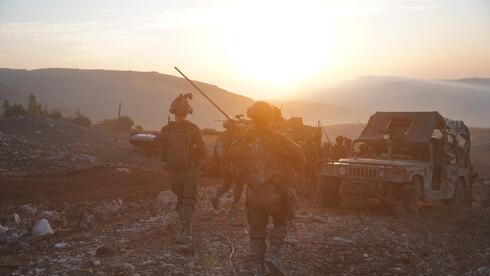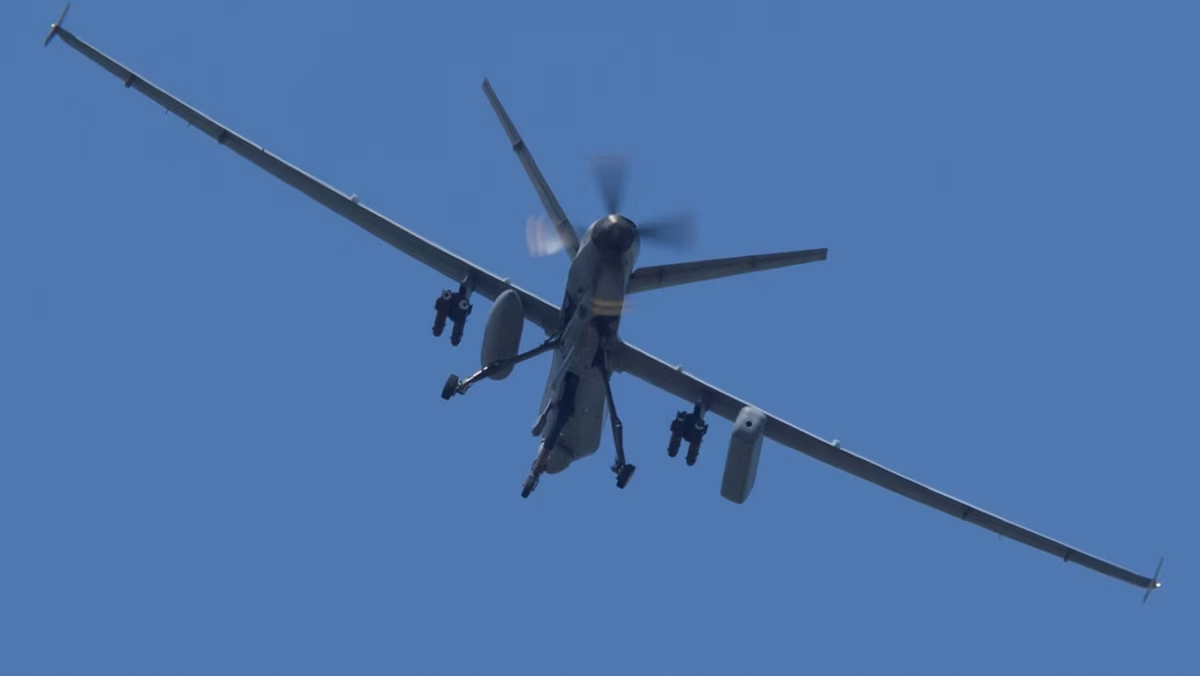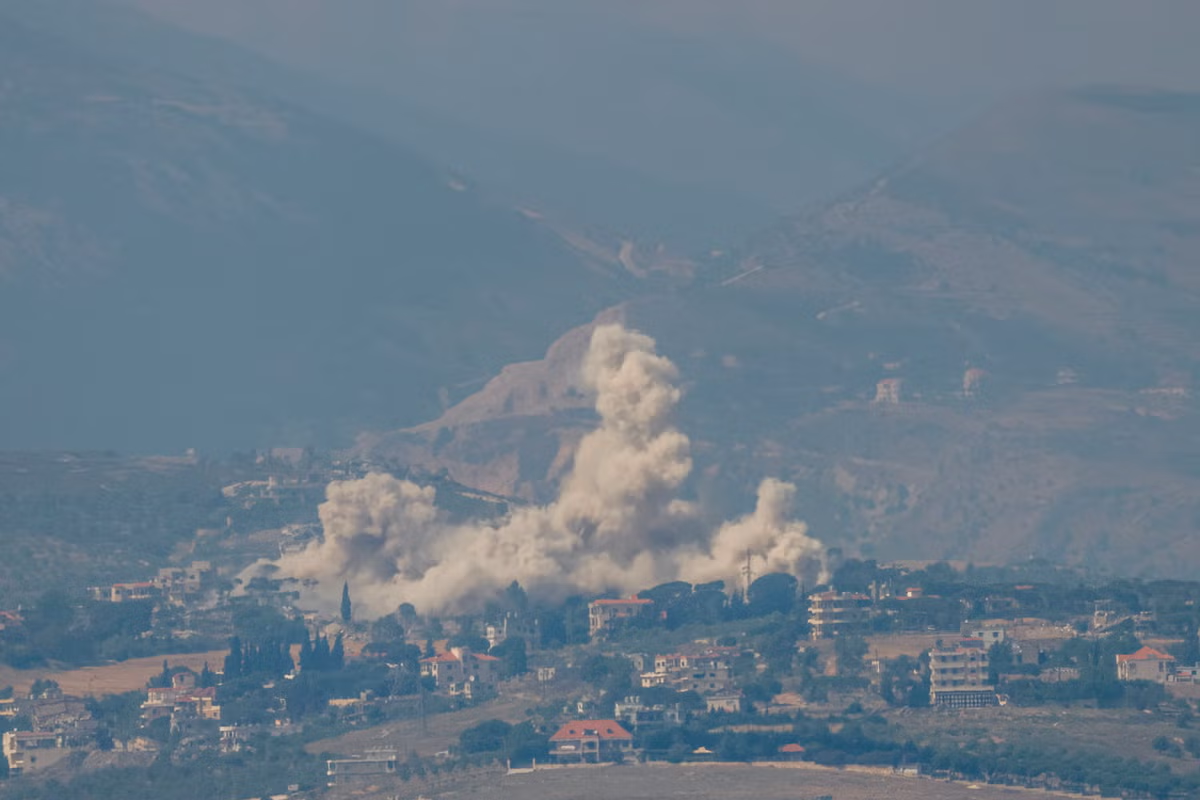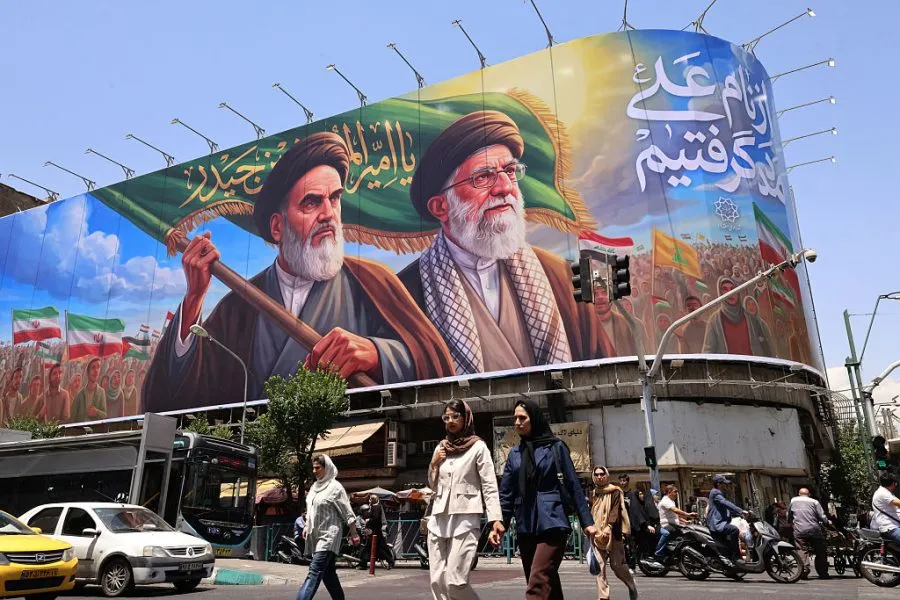
Negotiations between the US and Iran over an end to their conflict are ongoing, accompanied by occasional exchanges of fire. In Lebanon, the Iranian proxy group Hezbollah is engaged in daily clashes with Israeli forces. But whatever the outcome of these negotiations, it is possible to reach a conclusion regarding the war launched by the US and Israel on 28 February of this year: the Iranian regime has survived the attack on it and faces no danger of imminent collapse.
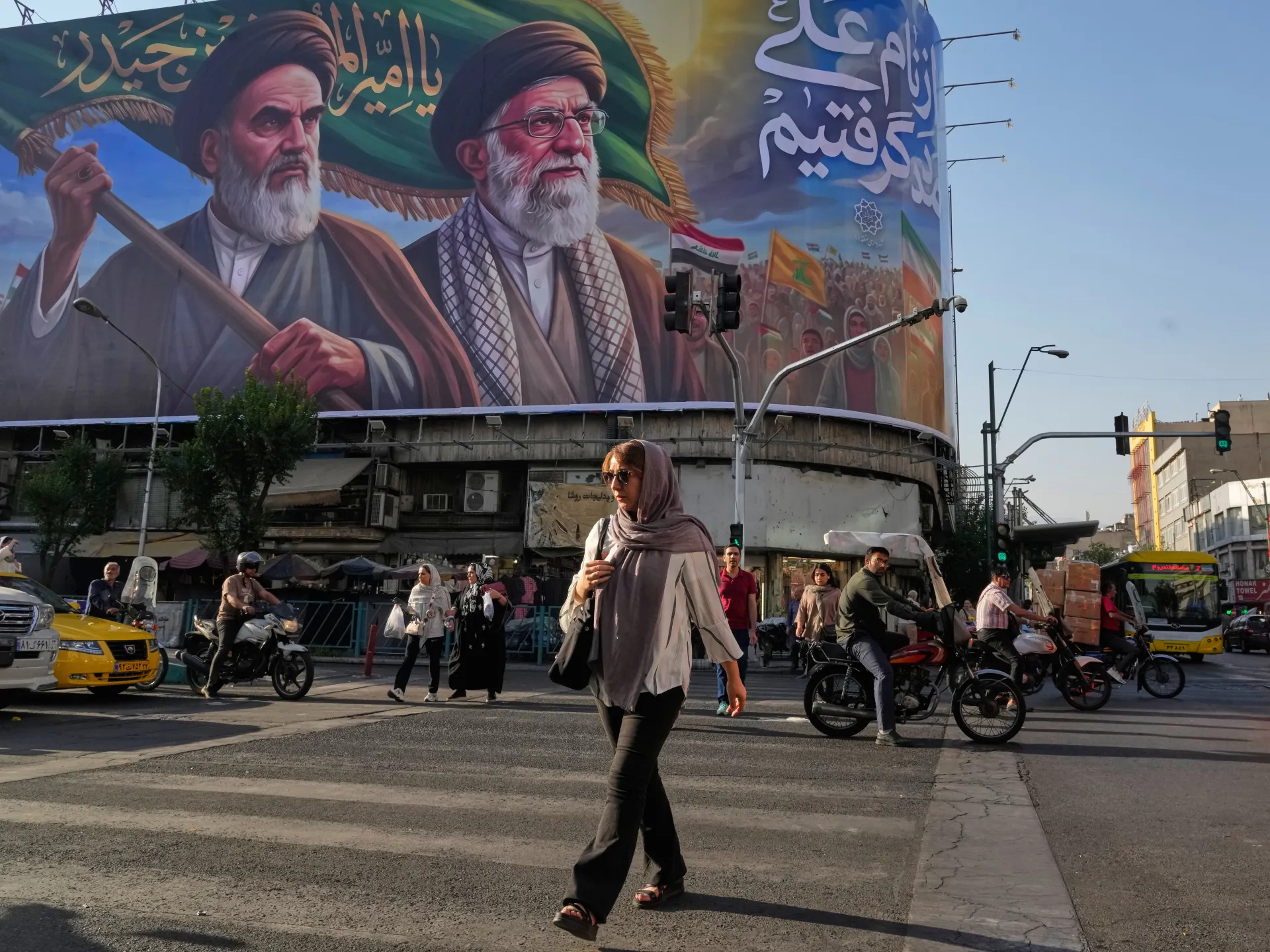
This salient fact means that it is necessary to re-examine the basic building blocks of both US and Israeli policy regarding Tehran. It turns out that the Islamic Republic and its alliance of proxies possess greater durability than had been imagined. What needs to happen now is a concerted strategy of support for both external and internal pressure on the Iranian regime, with the intention of bringing it down.
Israel has been engaged in nearly three years of war against Iran and its proxies. Yet until now, neither the regime nor any of the Islamist political-military groups that it uses as instruments of power projection have been conclusively vanquished. Hamas in Palestine, Hezbollah in Lebanon, the Houthis in Yemen, the Shia militias in Iraq and the Iranian regime itself have all been bloodied, are all weakened, but have all survived.