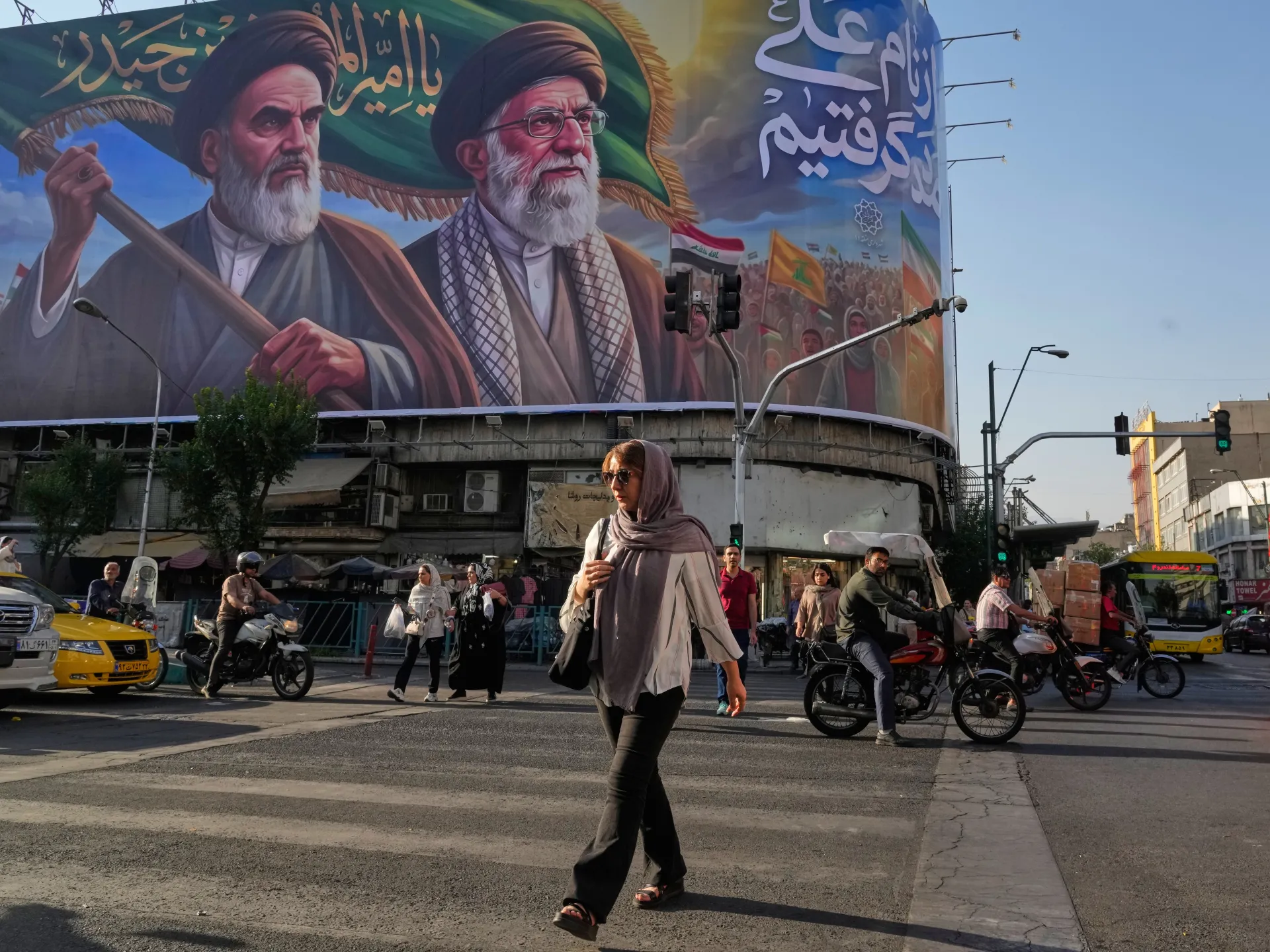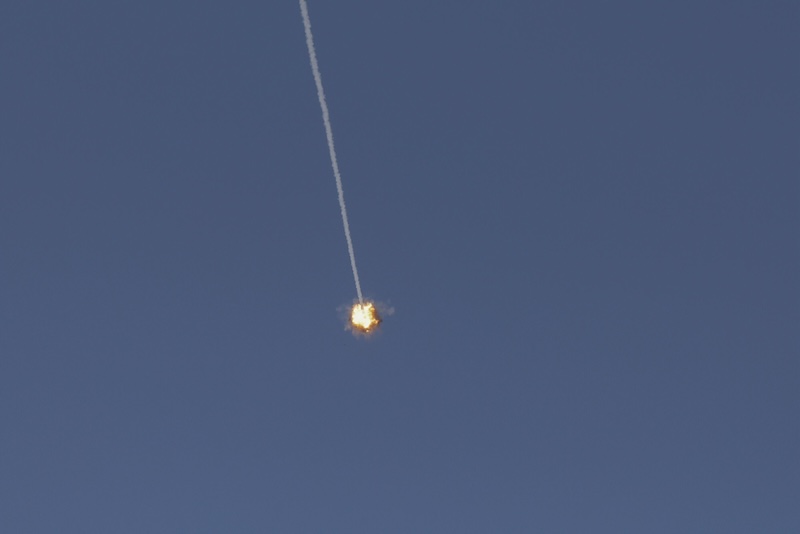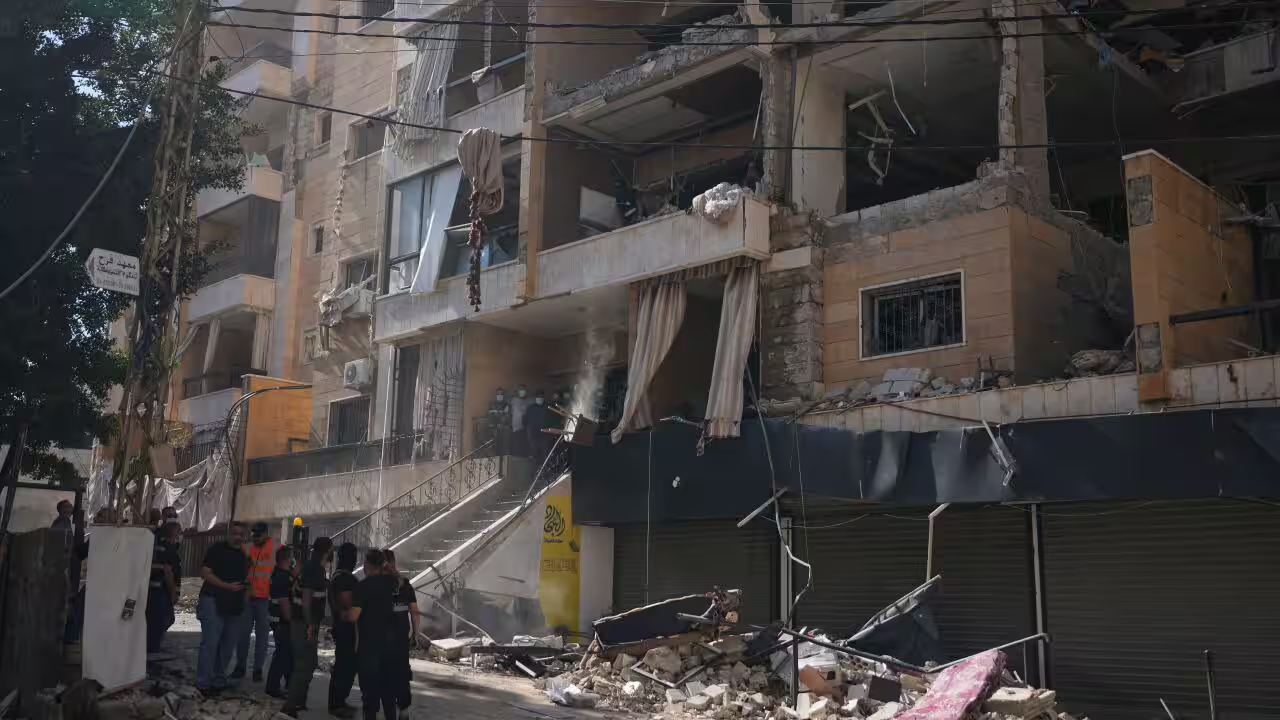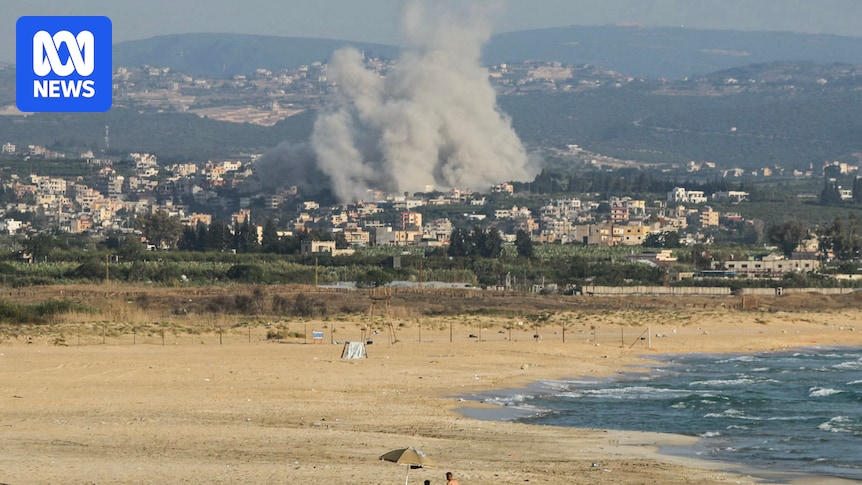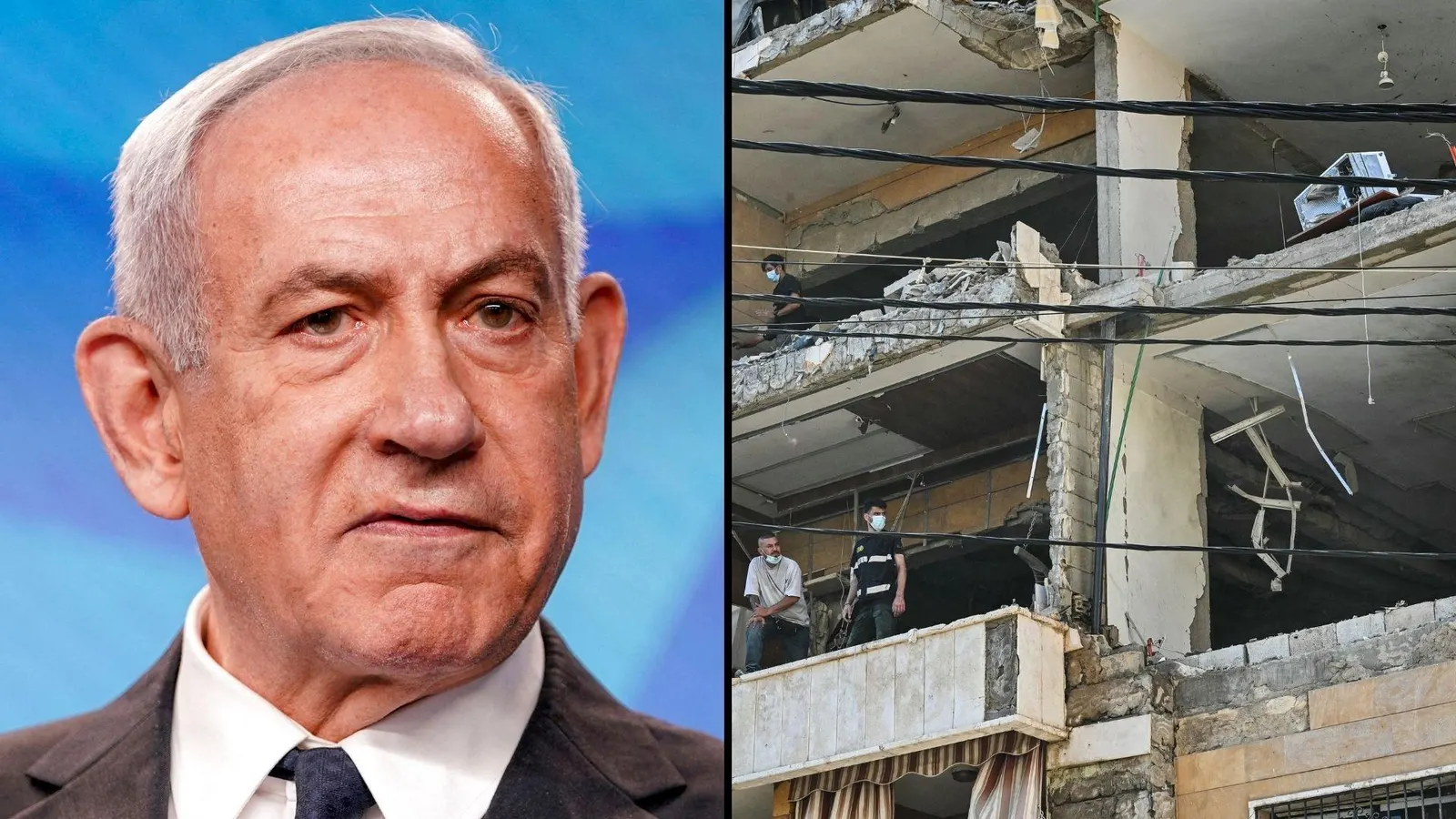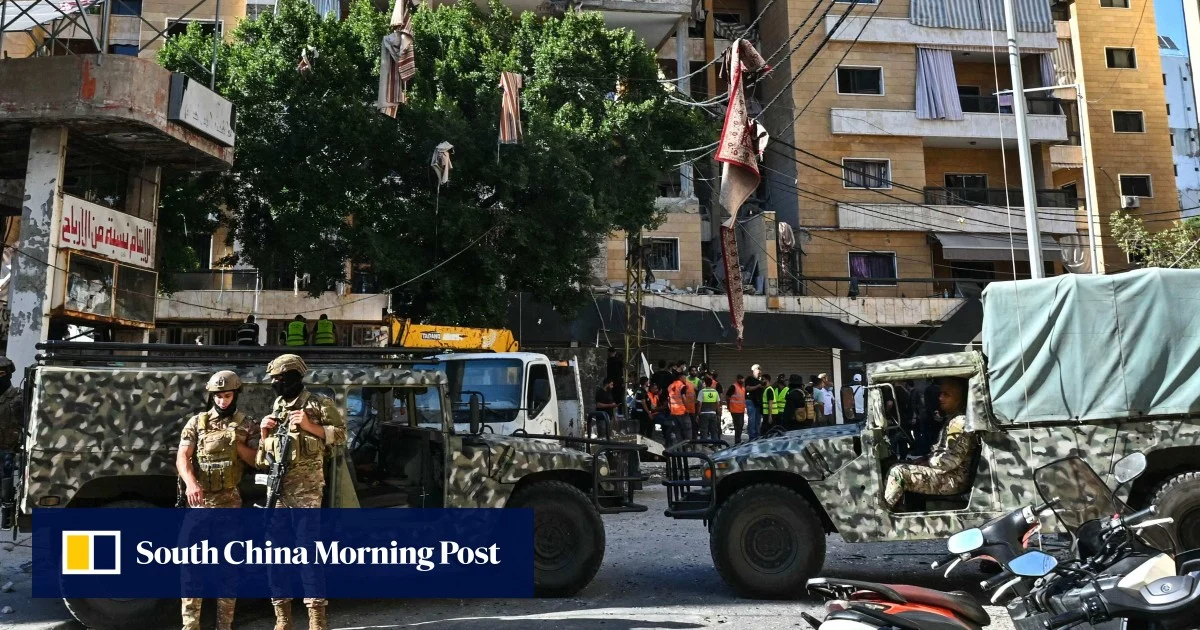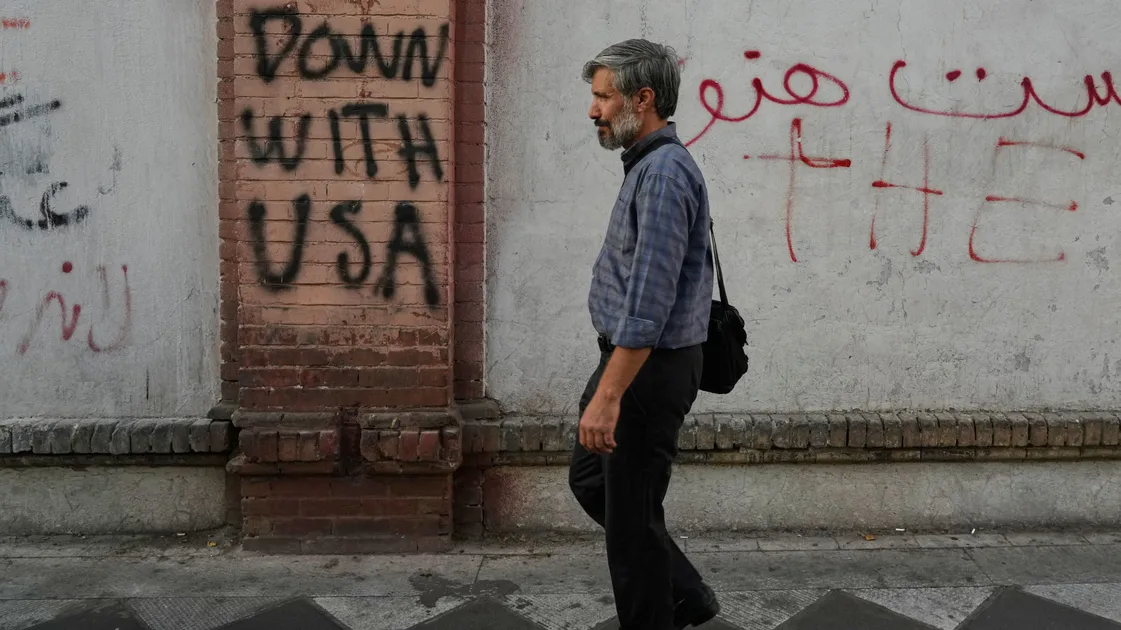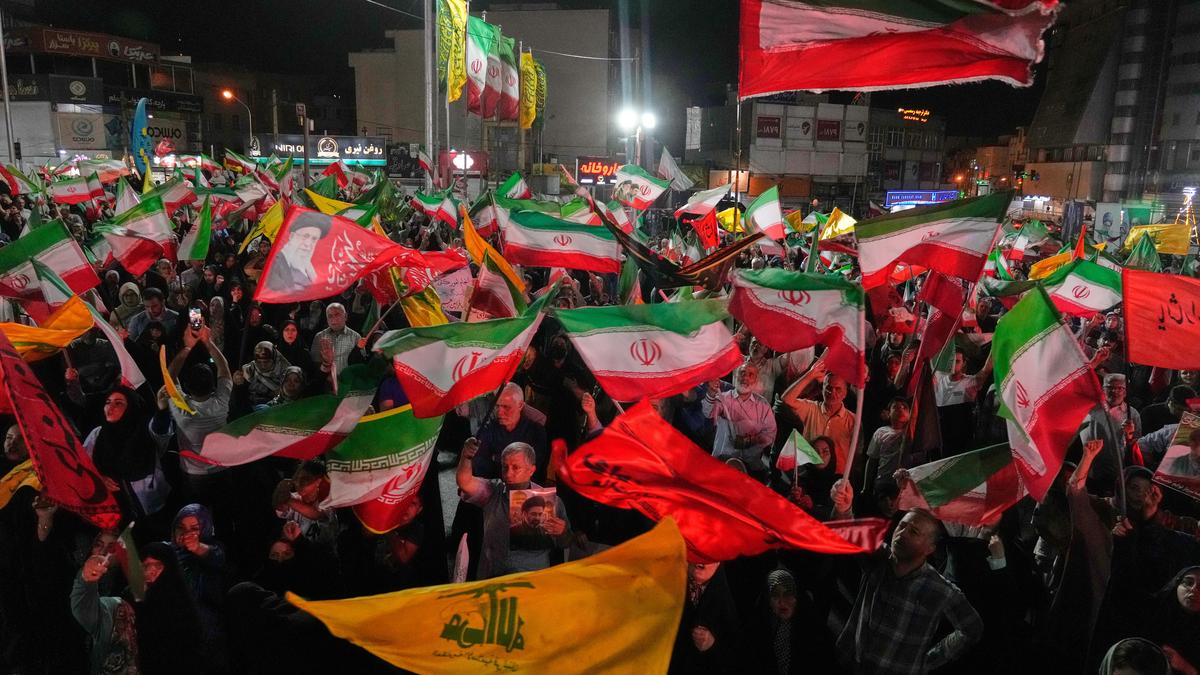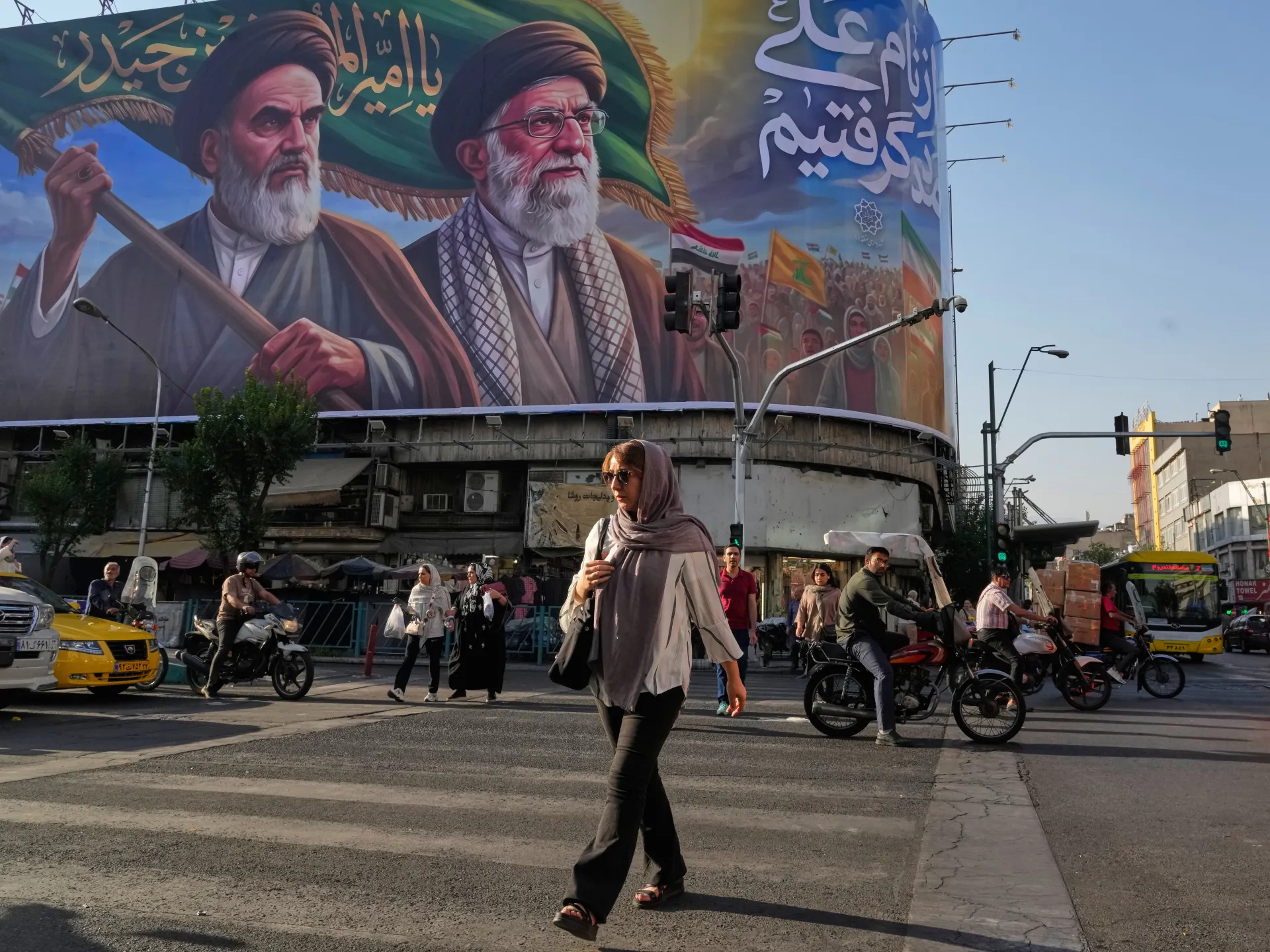
Tehran, Iran – An ongoing war of words between Beirut and Tehran has highlighted the central role Lebanon has played in a ceasefire between Iran and the United States.Iran on Sunday responded to an Israeli strike on an alleged Hezbollah site in southern Beirut – a red line for Tehran – by launching a barrage of missiles at Israel. Israel then hit Tehran and other cities on Monday, threatening to end a two-month ceasefire between Iran and the US.Tensions had already heightened after Israeli forces crossed the Litani River last month – a point Israel had unilaterally set as a buffer zone to be cleared of Hezbollah elements – leading the Lebanese government to appeal for an end to foreign interference in the country.Last week, it was reported that US President Donald Trump had convinced Israeli Prime Minister Benjamin Netanyahu not to target Beirut, understanding that such an escalation could end a regional ceasefire in place since April.The Israeli invasion has deepened tensions between Iran, which backs Hezbollah, and the Lebanese government, which is seeking exclusive control over weapons in the country. Iran’s Islamic Revolutionary Guard Corps (IRGC) on Thursday warned “there will be no calm in the region” if Israel continued its occupation of southern Lebanon.Lebanese President Joseph Aoun stressed that there is no way to end the war in the country “except through negotiation and diplomacy” and slammed Tehran for “using Lebanon as a bargaining chip in their negotiations” with the US.“Hezbollah must understand that [there is] no other way but to sit and talk” he said, something Beirut is trying to achieve via direct talks between Israeli and Lebanese officials in Washington, DC.Pro-government Iranian demonstrators wave flags of Iran and Hezbollah in Tehran, June 7, 2026 [Vahid Salemi/AP Photo]Iranian Foreign Minister Abbas Araghchi responded by saying that Aoun appeared to believe Iran, not Israel, was occupying Lebanese territory.“Had Lebanon been a bargaining chip for Iran, we’d have a deal long ago. Save Lebanon from your real foe, Mr. President,” he posted on X on Saturday, likely referring to Israel and Aoun.Hezbollah opposes direct talks with Israel and wants Iran to play a greater role in mediated talks to end the crisis, and the situation has led to an increasingly voracious back-and-forth between Beirut and Tehran.A conditional “ceasefire” currently in effect between the Lebanese government and Israel, negotiated by Washington and excluding Hezbollah representation, set conditions that included the removal of armed groups south of the Litani River.It also sought the establishment of “pilot zones” in southern Lebanon, where the Lebanese army would have sole authority, allowing the region to come under direct state control.Negar Mortazavi, a senior fellow at the Washington, DC-based Center for International Policy, noted that while Israel had demonstrated patience regarding its continued offensive in the south, the targeting of Beirut’s southern suburbs, known as Dahiyeh, would be a serious escalation.“Where exactly is the red line? So far, it seems that Tehran has tolerated attacks in southern Lebanon to some extent as part of a messy ceasefire, and instead allowed Hezbollah to engage with Israel,” she told Al Jazeera before Israel bombed Beirut suburbs on Sunday.“I think the stalemate cannot continue for too long, so it will be going back to an escalated conflict, or heading for an actual peace deal.”Iran has stressed that any long-term peace agreement with the US hinges on Israel’s war on Lebanon also ending.“Hezbollah entered the war with them and helped them, so they want to help them by making them an extension of the peace deal,” Mortazavi said.Israel’s largely unchallenged advances in southern Lebanon had angered and frustrated hardliners in Iran, who had called for the government to take action.“Now that I’m speaking with you, it’s correct that [Israel] has stopped attacking Dahiyeh, but except for that, it is hitting wherever it wills,” Abbas Abdi, a state television analyst, told a gathering of state supporters near Enghelab (Revolution) Square in downtown Tehran on Friday night.Hezbollah flags are regularly waved by supporters of the government during such rallies. On Friday, the iconic Azadi (Freedom) Tower was draped with a Hezbollah flag in a show of support for the Lebanese movement, amid Israel’s offensive in southern Lebanon.Abdi said such facile shows of solidarity with Hezbollah were not a deterrence and that Iran might have to “show the enemy that negotiations are not important for us”.“We are still releasing statements and saying we will do such if they do such, but we are not doing anything. Our dear people have gone to the [missile] launchers numerous times to respond, but they have been stopped,” he said.There have been direct tensions between the two sides in recent weeks, with the US military attacking Iranian islands and the IRGC launching missiles and drones at its Central Command (CENTCOM) bases in Kuwait and Bahrain.Mourners attend the funeral of four people, including a woman and a medic, who were killed in an Israeli attack on Friday in Zebdine, in Haret Sidon, Lebanon, June 7, 2026 [Aziz Taher/Reuters]Mostafa Najafi, a state television political analyst, earlier this week characterised the Israeli attacks on Lebanon as intended to go hand-in-hand with the US blockade of Iran’s southern waters to force the government to capitulate.“The aim of the ring of pressure created in Lebanon is not just Hezbollah, it is against our levers and to weaken our regional activities,” he said, pointing out that this elevates the issue to strategic significance.“You cannot separate the file of Hezbollah and Lebanon from the file of Iran, because they have a meaningful ideological and geopolitical link together, they are in a geopolitical cluster together,” Najafi said.Amirhossein Sabeti, a lawmaker representing Tehran in the hardline-dominated parliament, told state television that Trump was only “playing” with Iranian authorities to keep the peace until the World Cup in the US, Canada and Mexico is over.“The US will start a more intense war with the US once the World Cup is over. They will turn the country into a second Gaza, where everything is destroyed,” he said.“We must be prepared to deal stronger blows than before, and we can do this. We must not wait for them to hit before hitting back; we must strike even when they talk of striking, that’s deterrence.”
How Lebanon and Iran’s war of words became backdrop for latest Israel clash
Iran had warned that talks could be stopped and attacks would resume if Israel continued to hit Lebanon.
1,037 words~5 min read