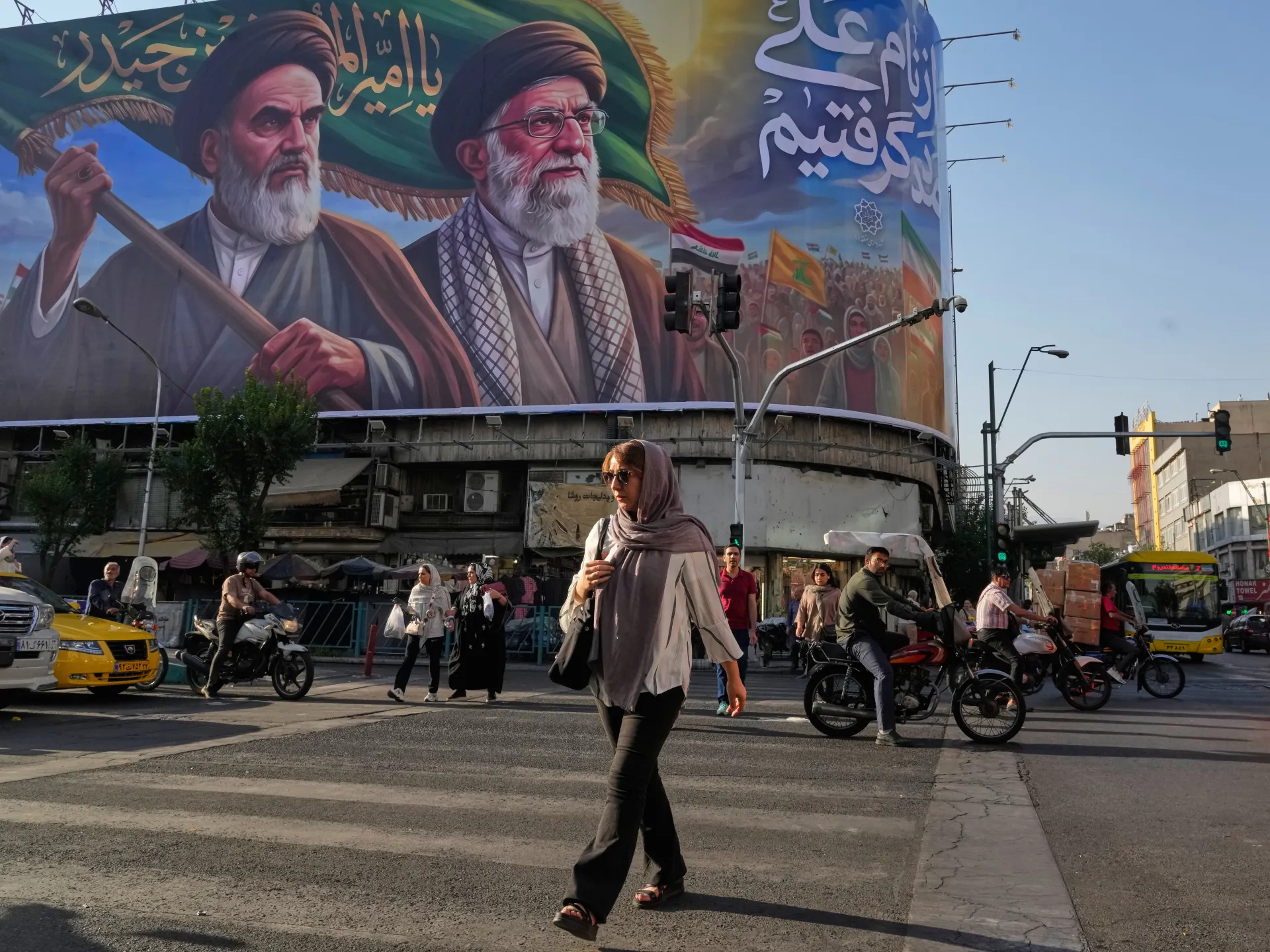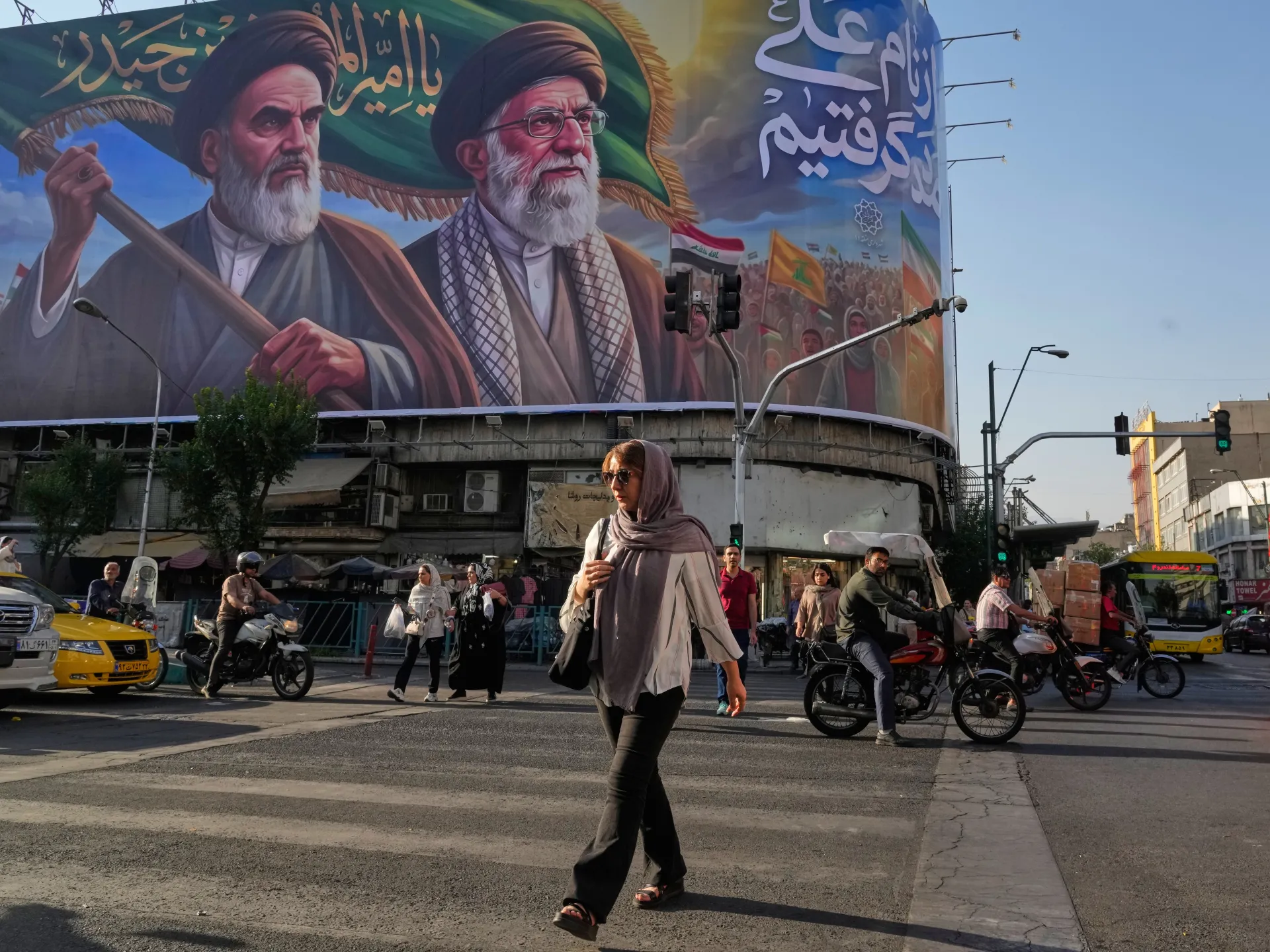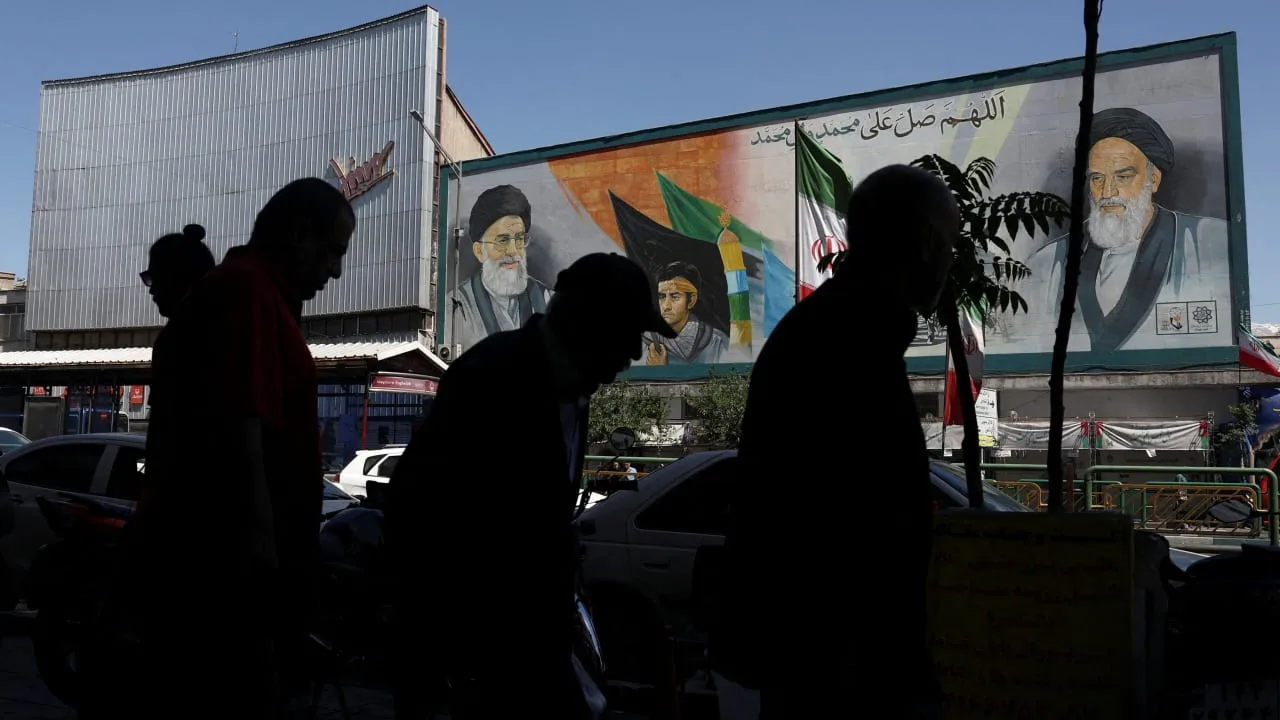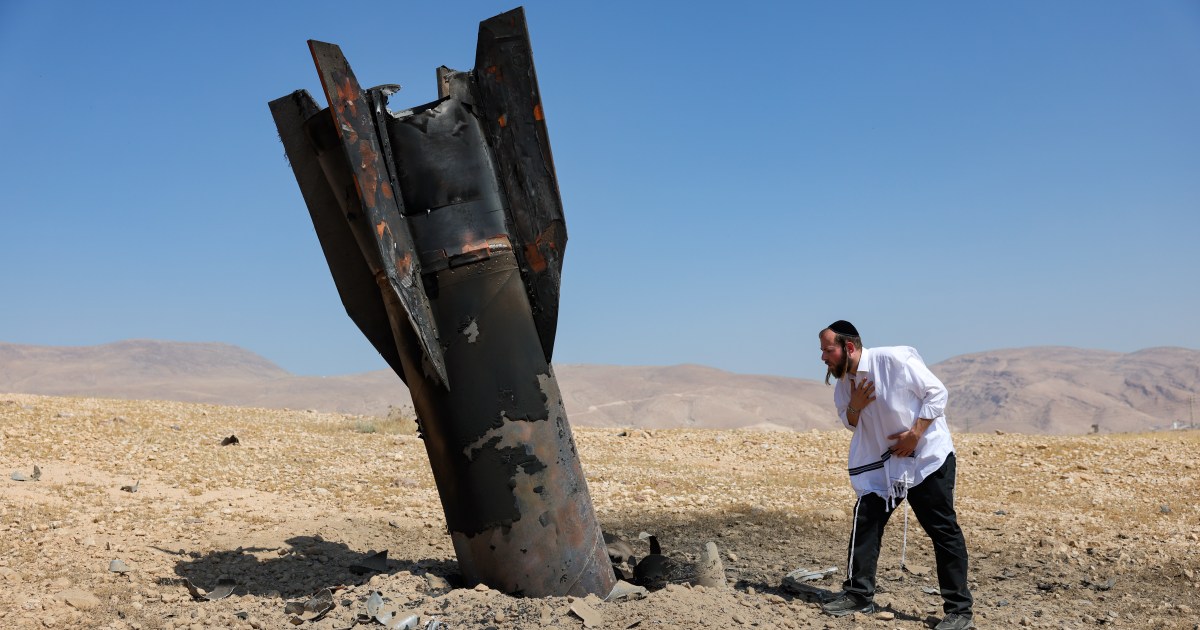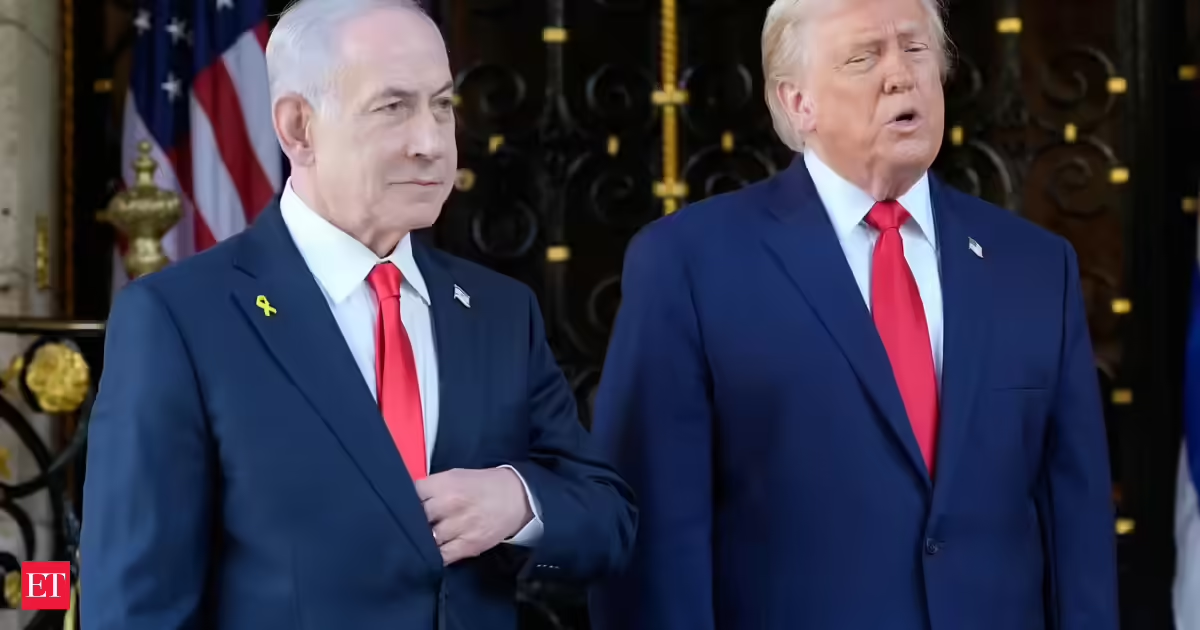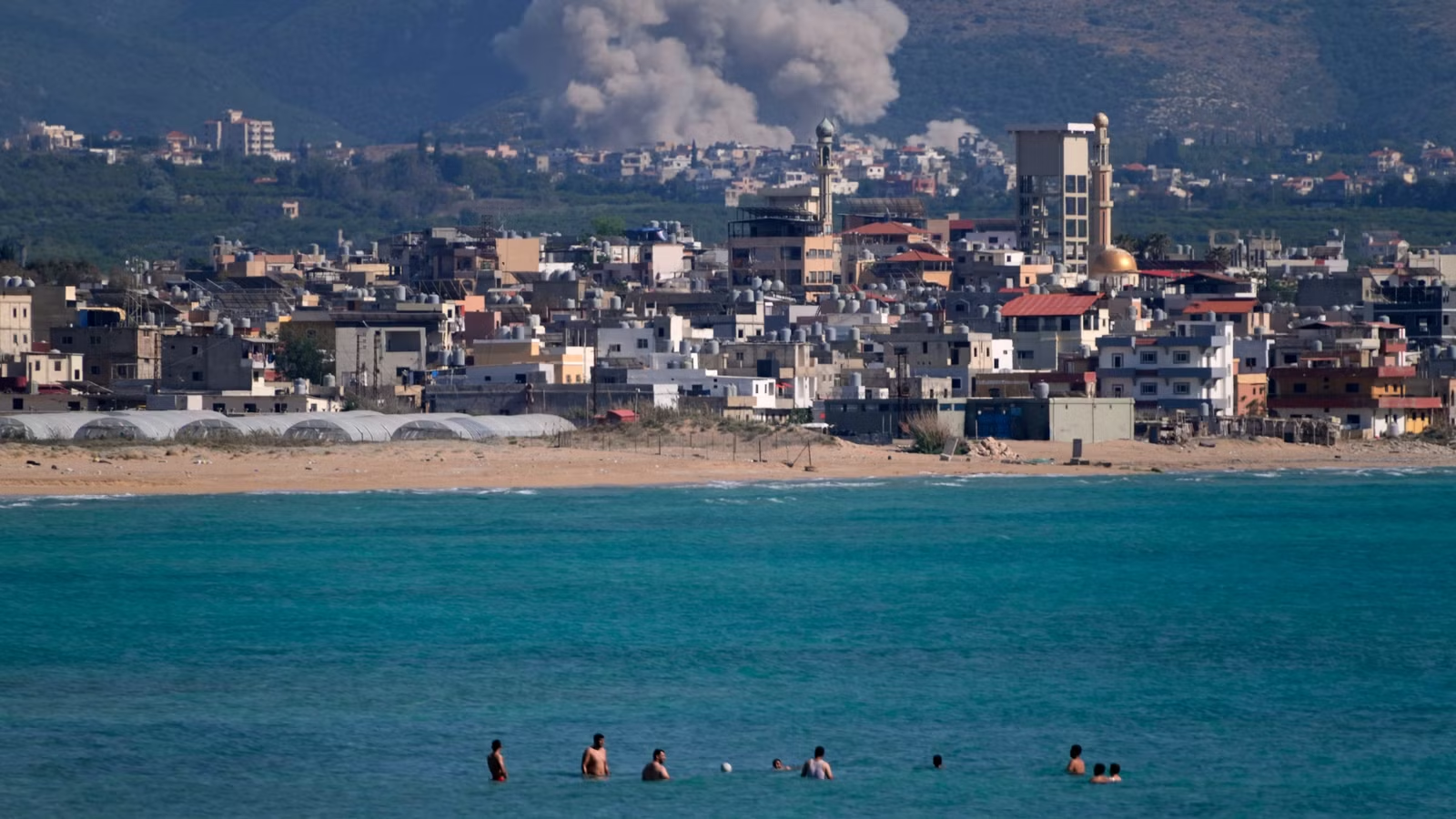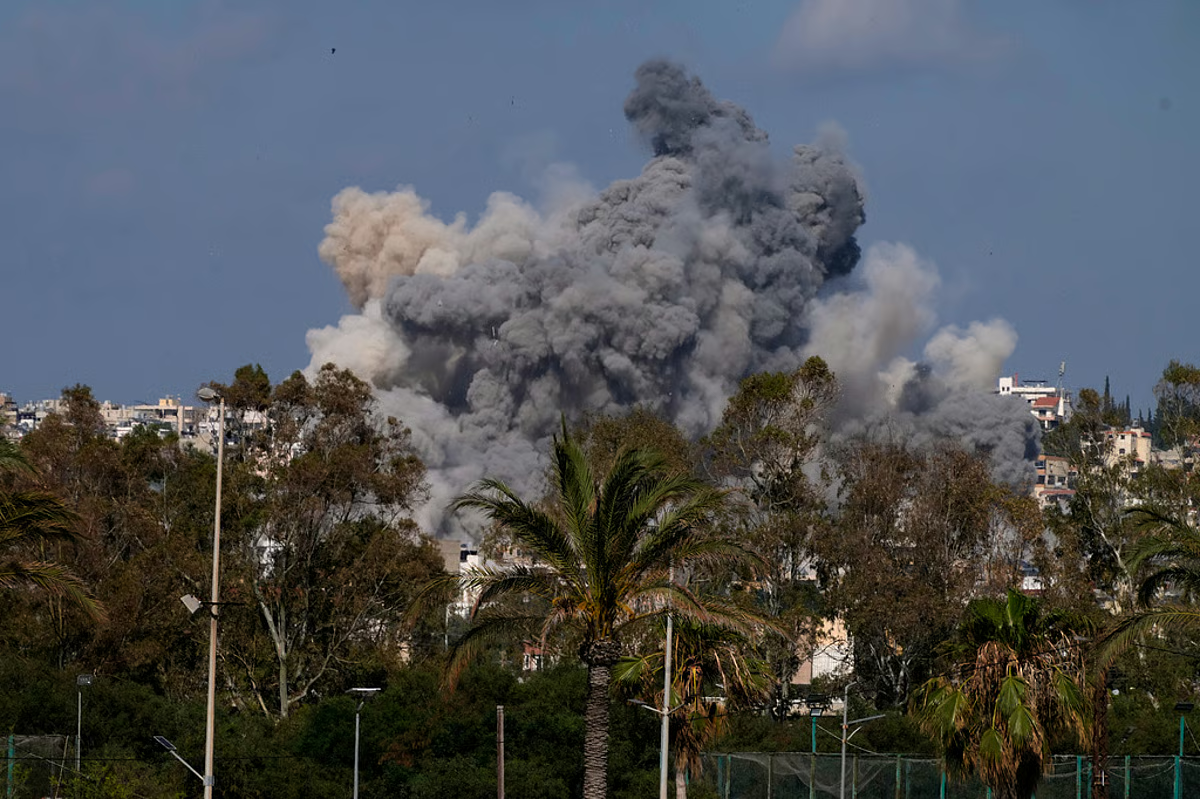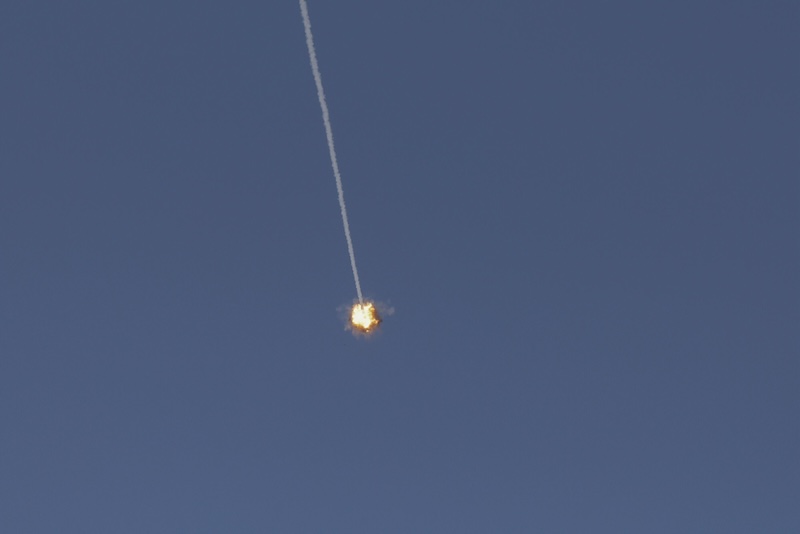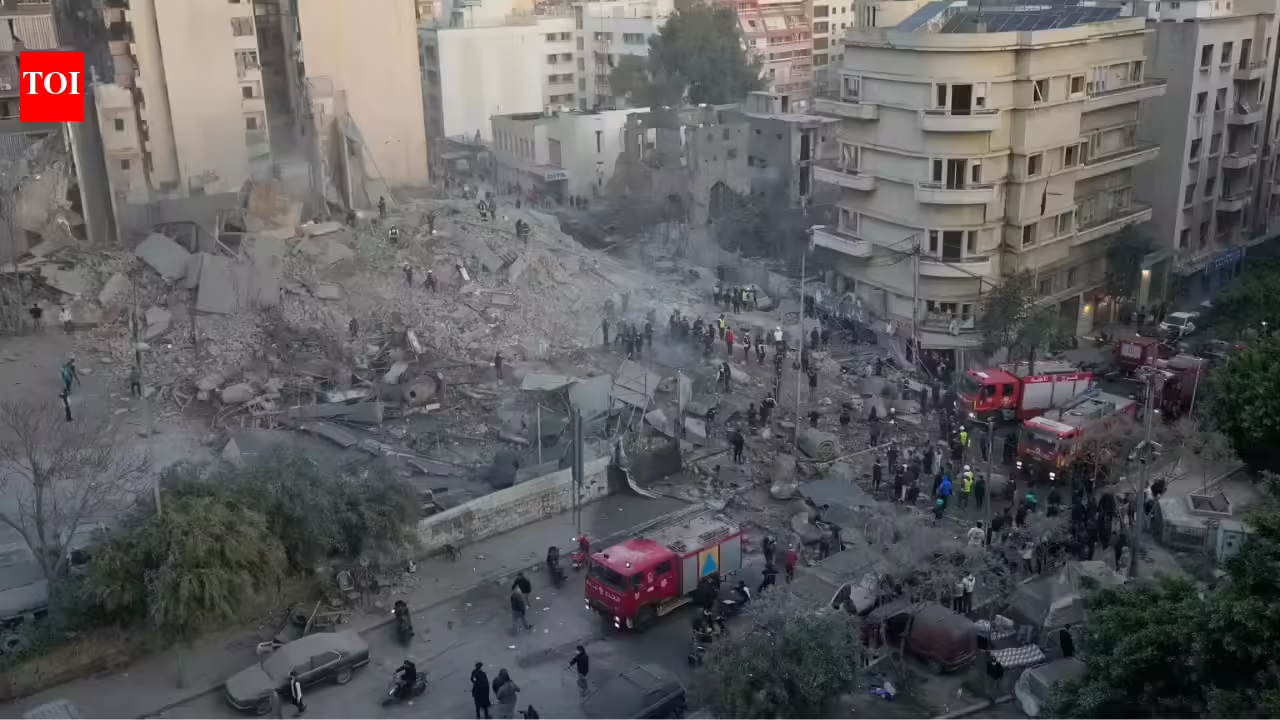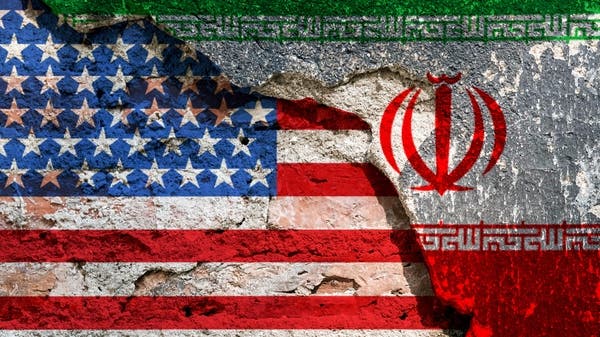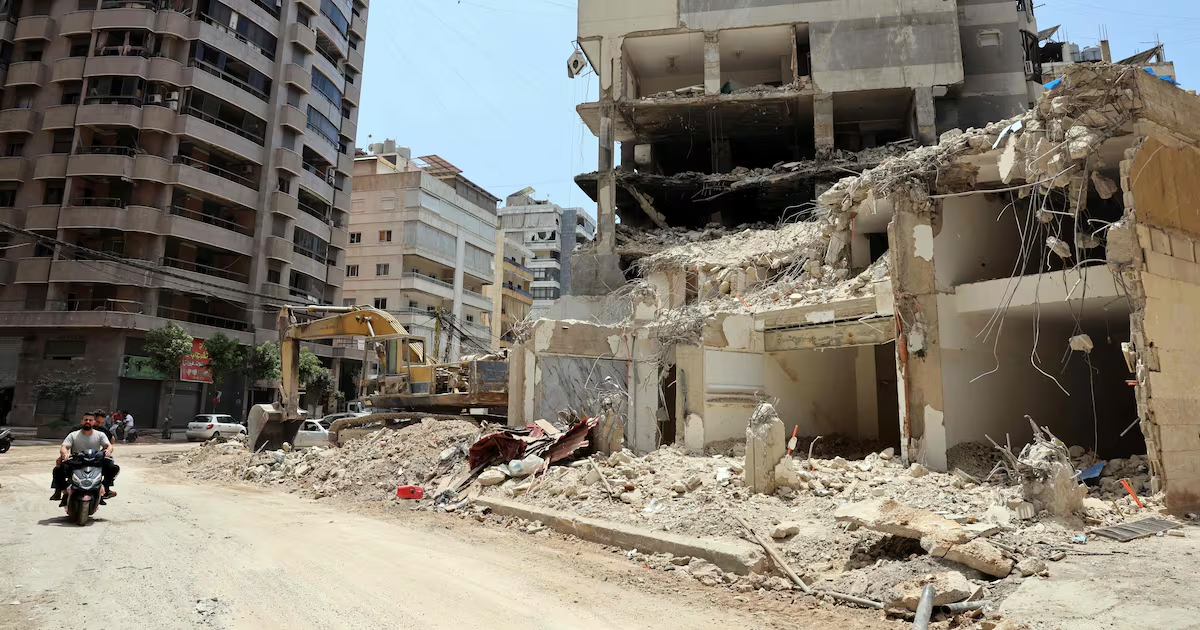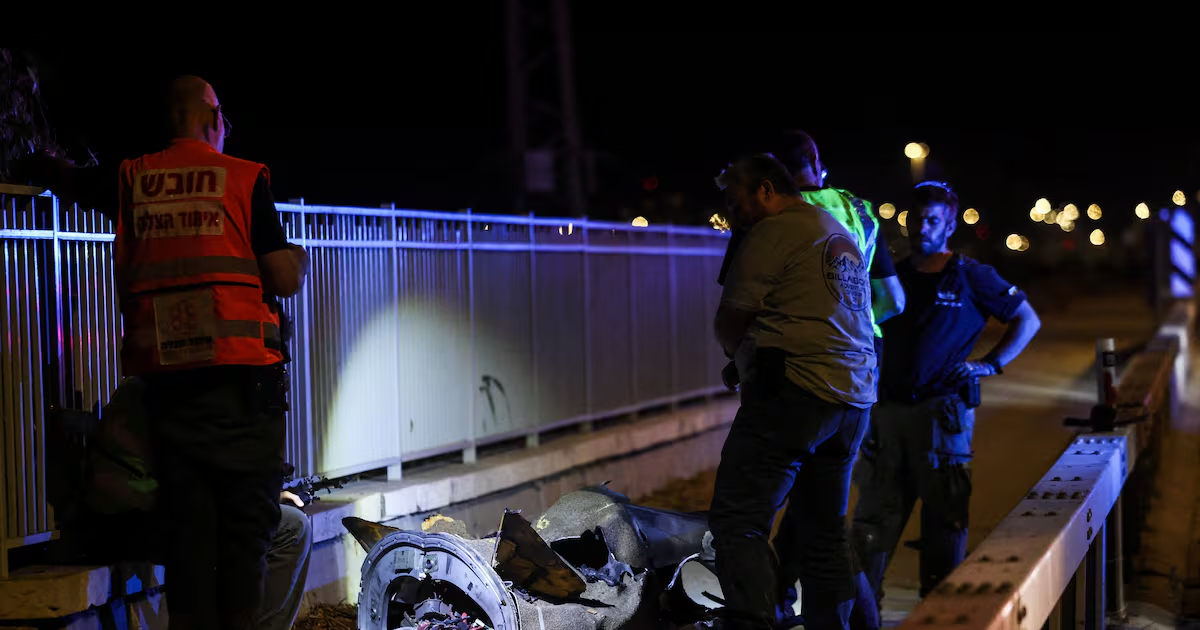
A ceasefire in the Middle East already under strain due to daily violations, appeared close to collapse on Monday after a rapid chain of events pulled Hezbollah, Israel, Iran and the US into a new cycle of escalation.The developments highlighted how closely the Lebanese front has become tied to wider US-Iran diplomacy, with Hezbollah missiles ending with Israeli strikes deep inside Iran, despite direct intervention from US President Donald Trump.Here is how the escalation unravelled, step by step:Hezbollah launches missilesHezbollah first announced it had fired missiles towards Israel, accusing the Israeli military of repeatedly violating the ceasefire in Lebanon through its ground invasion and attacks on villages. The attack marked one of Hezbollah's most serious breaches of the latest ceasefire, an agreement the group had already rejected.Israel strikes BeirutIsrael responded by targeting Beirut's southern suburbs, an area that had become increasingly sensitive in ceasefire negotiations. The Israeli military said it struck Hezbollah infrastructure. Lebanese authorities reported that at least two people were killed and several others wounded.The strike was significant not only because it hit the capital, but also because it appeared to breach understandings that had helped preserve the ceasefire despite tensions. Lebanese officials warned that attacking Beirut risked undermining efforts to maintain stability and could provoke a wider regional response.A woman displays a picture of late Iranian Supreme Leader Ali Khamenei during a pro-government demonstration after Isreali strikes on Beirut's southern suburbs, in Tehran. AFPInfoIran attacksIran has increasingly linked any future agreement with Washington to developments on the Lebanese front, making the protection of Hezbollah a strategic priority. The group remains Tehran's most important regional ally despite suffering heavy losses during recent conflicts with Israel.Within hours of the Beirut strike, Iran launched missiles towards Israel, describing the attack as retaliation for Israel's actions in Lebanon and a message that Hezbollah would not be left to face Israeli military pressure alone.The missile barrage marked Iran's first large direct strike on Israel since the ceasefire began in April and represented a major escalation after months of relative restraint.Trump urges restraintAs tensions rose, Mr Trump publicly called for restraint. He argued that Iran had already delivered its response and should now return to negotiations. He also urged Israeli Prime Minister Benjamin Netanyahu to refrain from further military action.Mr Trump's intervention reflected growing concern within the administration that another Iran-Israel confrontation could derail efforts to secure a broader agreement with Tehran.Washington has invested considerable political capital in trying to stabilise the Lebanese front and prevent it from becoming a trigger for a regional war, mainly by hosting unprecedented Israeli-Lebanese talks.An Iranian missile flies in the sky over Israel. ReutersInfoIsrael strikes backDespite Mr Trump's appeal, Israel moved ahead with retaliation. Early on Monday morning, explosions were reported in Tehran, Isfahan and Tabriz. The Israeli military later confirmed it had conducted strikes against targets inside Iran.The attacks represented one of the clearest examples yet of how fragile the truce is. Israel said its forces were operating at “full readiness” both offensively and defensively and remain on high alert for further action “across all arenas” against threats to Israel.
How Israel and Iran ended up trading strikes | The National
The developments highlight how closely the Lebanese front has become tied to wider US-Iran diplomacy
514 words~2 min read